
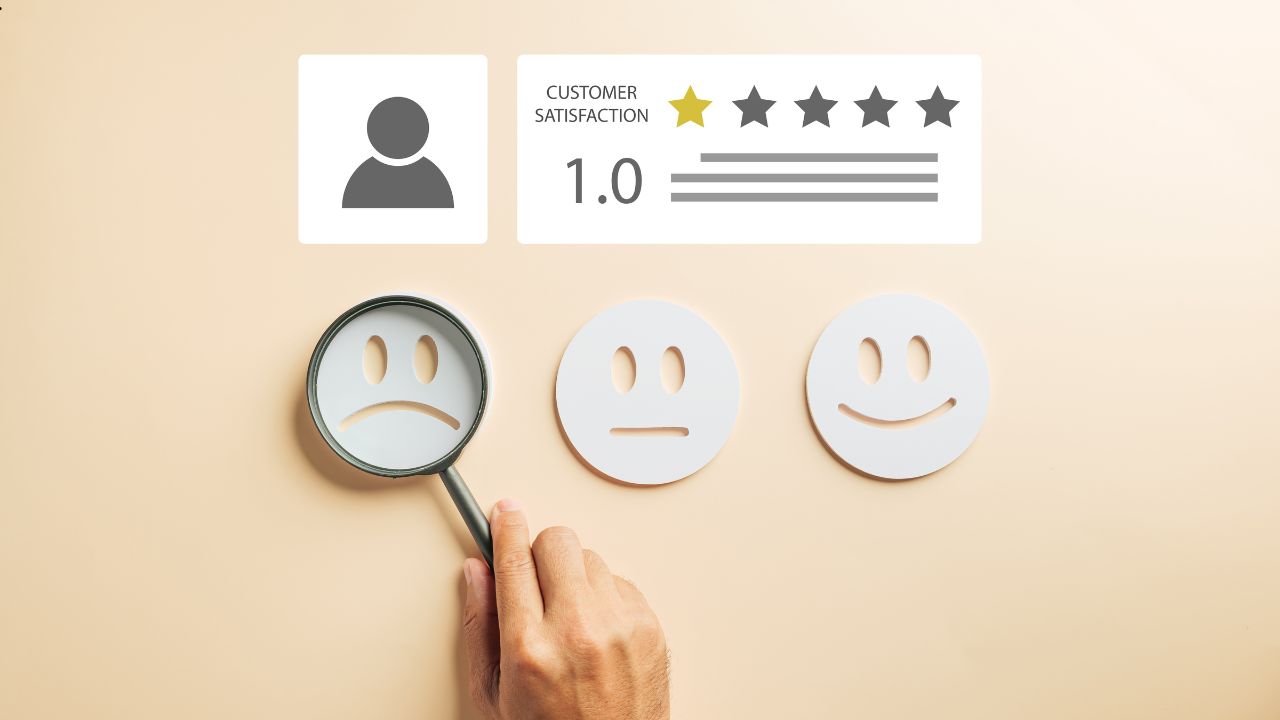
Fitness centers no longer compete only on equipment quality, class variety, or location. Today, one of the biggest factors influencing member satisfaction is whether clients can clearly see their progress. That is where workout performance tracking becomes especially valuable. When people can monitor strength gains, attendance consistency, exercise completion, recovery patterns, and goal progression, they feel more engaged, more confident, and more motivated to continue. In practical terms, tracking helps transform exercise from a vague effort into a visible journey.
For fitness centers, this matters because client satisfaction is deeply connected to perceived results. Many members stop attending not because the gym is bad, but because they lose momentum, feel unsure about progress, or believe their routine is no longer working. A structured tracking system changes that experience. It gives members proof that their time and effort are producing meaningful outcomes, even when physical changes are gradual.
In the modern fitness environment, workout tracking is more than a technical feature. It is part of the relationship between the client, the trainer, and the fitness center itself. It supports accountability, personalization, and communication, which are three pillars of a better member experience.
Why Clients Feel More Satisfied When Progress Is Visible
Most people join a fitness center with a goal in mind. Some want to build strength. Others want to lose weight, increase endurance, improve health markers, or simply create a consistent routine. Regardless of the goal, one psychological need remains the same: clients want evidence that they are moving forward.
When that evidence is missing, motivation becomes fragile.
A client may be training three or four times per week and still feel discouraged if they cannot remember the weights they used last month, the exercises they completed last week, or how their performance has improved over time. Tracking solves this problem by turning each workout into measurable information. A member can look back and see improvements in load, volume, frequency, exercise quality, or consistency. That sense of direction plays a major role in overall satisfaction.
Fitness centers that provide this clarity create a more professional and supportive environment. Members begin to feel that their training is guided rather than random.
How Performance Tracking Strengthens Trust in the Fitness Center
Trust is one of the most important drivers of retention in the fitness industry. Clients want to believe that the system around them is capable of supporting real progress. When a gym offers performance tracking, it demonstrates organization, attention to detail, and commitment to results.
This trust grows in several ways:
- Clients feel that their goals are being taken seriously
- Trainers can make decisions based on real performance data
- Adjustments to programs become easier to explain
- Members feel less lost between sessions
- Progress reviews become more concrete and motivating
A fitness center that tracks performance well appears more prepared, more attentive, and more invested in the client journey.
This is especially important for beginners. New members often struggle with uncertainty. They may not know whether they are training correctly, whether they are improving fast enough, or whether their plan still matches their needs. A tracking system reduces that uncertainty and makes the experience feel more secure.
The Link Between Personalization and Satisfaction
One of the main ways tracking boosts satisfaction is by enabling more personalized coaching through data-driven adjustments. Generic plans often lead to generic results, and generic results rarely create loyalty.
When trainers or digital systems monitor a client’s performance over time, the training plan can adapt more intelligently. If someone is progressing quickly, the program can evolve to maintain challenge. If another member is struggling with fatigue, missed sessions, or certain movements, the plan can be adjusted before frustration grows.
Personalized Tracking Creates Better Experiences
Tracking supports personalized coaching in several areas:
- Exercise selection based on performance history
- Load progression based on actual strength development
- Rest adjustments according to recovery needs
- Exercise replacement when discomfort or boredom appears
- Flexible training schedules for changing routines
- Goal-specific adaptations for home or gym environments
This level of responsiveness improves satisfaction because clients feel seen.
They do not feel like another membership number. They feel like the fitness center understands their behavior, respects their limitations, and supports their progress in a realistic way. That emotional effect is powerful.
Why Data Improves Trainer-Client Communication
Good communication is one of the strongest predictors of client satisfaction. Clear communication in fitness centers also improves when staff apply structured approaches learned from sales training experts. Performance tracking gives trainers and staff a shared reference point for every conversation.
Instead of saying, “You are doing well,” a trainer can say, “You have increased your squat load steadily over the last six weeks, and your workout consistency has improved from two sessions per week to four.” That kind of feedback is more persuasive because it is specific.
Better Conversations Lead to Better Retention
When performance data is available, fitness professionals can:
Identify progress earlier
Clients often underestimate their own improvement. Data helps trainers highlight wins before the client becomes discouraged.
Address plateaus more effectively
If progress slows down, the trainer can review patterns instead of guessing. This makes changes feel strategic rather than random.
Reinforce consistency
Many clients need encouragement more than intensity. Tracking shows streaks, attendance patterns, and completed sessions, which helps reinforce adherence.
Make goal reviews more productive
Whether the goal is fat loss, hypertrophy, strength, or general conditioning, tracking provides a structure for periodic evaluations.
These conversations build confidence, and confidence contributes directly to satisfaction.
The Emotional Impact of Seeing Small Wins
Not every improvement is dramatic. In fact, the most meaningful progress in fitness is often gradual. A client may add only a little more weight, perform one extra repetition, move with better control, or become more consistent across the month. These small wins are easy to miss without tracking.
That is why performance monitoring is not only operational. It is emotional.
When a person can see that their effort matters, they become more resilient. They stop measuring success only by the mirror or the scale. They begin to value consistency, discipline, and capability. This creates a healthier relationship with training and reduces the risk of early dropout.
For fitness centers, that emotional reinforcement matters just as much as the program itself. Satisfied clients are usually the ones who feel progress, understand progress, and remember progress.
Digital Tracking Tools Are Changing Expectations
Many modern gym members already expect a digital experience. They are used to apps, dashboards, wearables, and smart notifications in other parts of life. Fitness centers that integrate performance tracking into this reality can deliver a smoother and more engaging journey.
A strong digital training environment may include:
- Personalized workout plans based on goals and fitness level
- Exercise history with loads, reps, and sets
- Progress dashboards and motivational statistics
- Video guidance for exercise execution
- Flexible or calendar-based training structures
- Cross-device synchronization and offline access
- Customizable rest times and exercise swaps during sessions
These features improve convenience, but more importantly, they improve satisfaction because they reduce friction. Clients are less likely to abandon a routine when the system helps them stay organized and confident.
Fitness centers that combine in-person support with smart digital tracking can offer a more complete service model. This is particularly effective for members who want autonomy without losing guidance.
Tracking Helps Fitness Centers Deliver More Consistent Value
Client satisfaction is not built only through big transformations. It is often built through repeated proof of value. Each time a member opens their training history, completes a planned session, notices an upward trend, or receives feedback based on performance, the fitness center reinforces its relevance.
That consistency matters for retention.
A member who feels disconnected from their own progress may question the value of continuing to pay for the service. A member who regularly sees structured evidence of improvement is far more likely to stay engaged. In that sense, performance tracking does not only improve the workout experience. It supports the business health of the fitness center as well.
What Fitness Centers Should Focus On
To use tracking effectively, fitness centers should prioritize a few key principles:
- Keep the system easy to use
- Focus on meaningful metrics instead of too much data
- Show progress clearly and visually
- Make trainers part of the interpretation process
- Use data to personalize, not to overwhelm
- Celebrate progress frequently, even when it is modest
When tracking becomes simple, relevant, and motivating, clients are much more likely to respond positively.