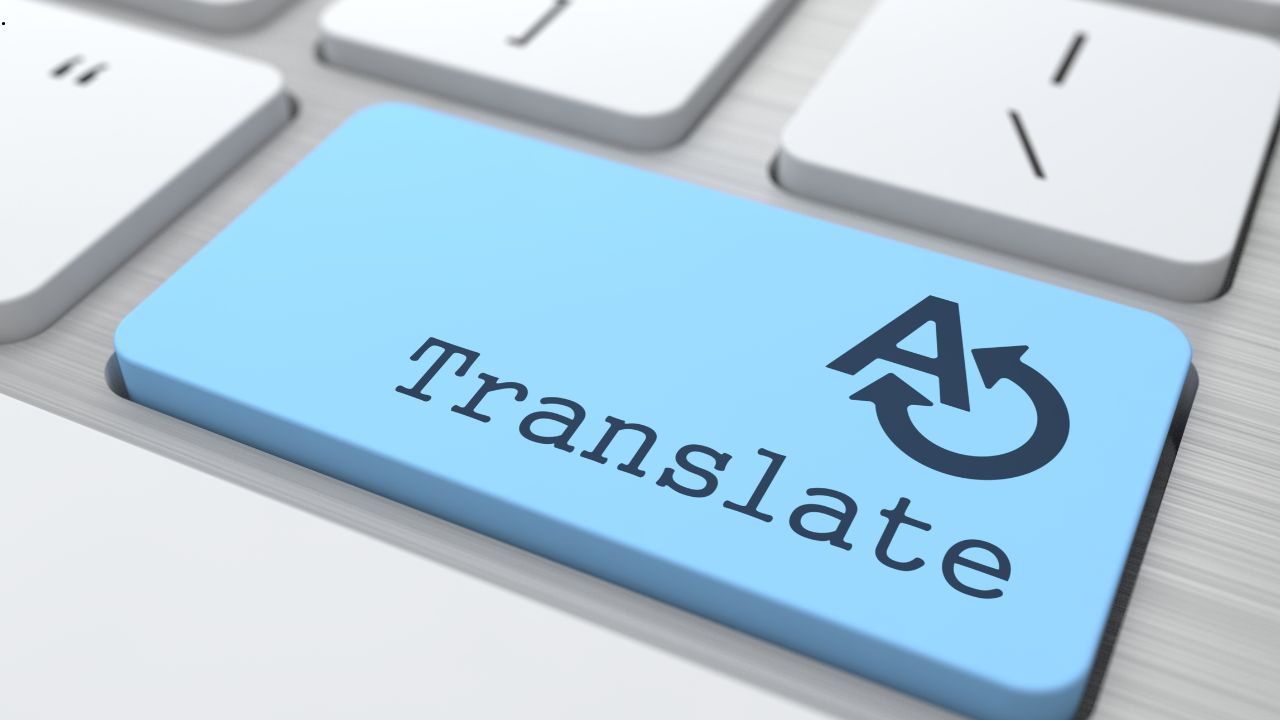
In a world where businesses can reach customers across continents, language has become one of the most important parts of international growth. A company may have excellent products, strong services, and a clear brand message, but if that message is not understood correctly in another language, opportunities can easily be lost.
This is why choosing the right translation company is a strategic decision for any business that wants to grow beyond its local market. Translation is not only about changing words from one language into another. It is about protecting meaning, tone, accuracy, and cultural relevance.
Translation Is a Business Growth Tool
Many companies think about translation only when they need a document converted into another language. However, professional translation can support many areas of business growth. It can help companies launch websites in new markets, communicate with international clients, prepare legal agreements, localize marketing campaigns, and provide better customer support.
When customers can read information in their own language, they are more likely to trust the business. Clear communication reduces confusion and helps people feel more confident when making a decision. This is especially important for companies that sell products or services online, where the website is often the first point of contact.
Working with the right translation service provider helps businesses communicate clearly and build trust in international markets.
Accuracy Protects Your Brand
Poor translation can damage a company’s reputation. Even small mistakes can make content look unprofessional. In some cases, inaccurate translation can create serious problems, especially in legal, medical, financial, or technical documents.
For example, a mistranslated contract may cause legal misunderstandings. A poorly translated user manual may confuse customers. A weak marketing translation may fail to persuade the audience. These issues can cost time, money, and trust.
This is why businesses should work with a translation company that understands quality, accuracy, and industry-specific terminology. Professional translators do more than translate words. They understand context and make sure the final content is suitable for its purpose.
Industry Knowledge Makes a Difference
Every industry has its own language. Legal, healthcare, finance, technology, education, eCommerce, and marketing all require different translation skills. A translator who works well with general content may not be the best choice for specialized documents.
A reliable translation company should be able to match each project with translators who understand the relevant industry. This helps ensure that technical terms are translated correctly and that the tone fits the target audience.
For example, marketing content needs creativity and cultural adaptation. Legal content needs precision. Medical content needs clarity and responsibility. Technical content needs consistency and structure. The right expertise can make a major difference in the final result.
Localization Creates Better Customer Experience
Translation and localization are not the same. Translation focuses on language, while localization adapts content to the culture and expectations of a specific market.
Localization may include changing currencies, date formats, measurements, examples, images, tone of voice, and calls to action. For websites, apps, eCommerce stores, and advertising campaigns, localization can improve user experience and increase engagement.
A good translation company understands that international customers do not only want translated words. They want content that feels natural, relevant, and trustworthy.
Technology Helps, But Humans Still Matter
Machine translation tools have improved, but they are not always reliable for professional business communication. Automated tools may miss cultural meaning, tone, context, or specialized terminology.
Human translators bring judgment, creativity, and subject knowledge. They can decide when to translate directly and when to adapt the message. Many professional translation companies use technology to improve speed and consistency, but human review remains essential for quality.
For important business content, human expertise is still the safest choice.
How to Choose the Right Translation Company
When selecting a translation company, businesses should look beyond price. The cheapest option may not provide the quality needed for professional communication. Instead, companies should consider:
- Experience in the required industry
- Native-speaking translators
- Quality assurance and proofreading
- Localization capabilities
- Confidentiality and data protection
- Ability to handle multiple languages
- Clear communication and reliable deadlines
- Experience with websites, documents, and marketing content
For businesses that need professional multilingual support, working with a trusted translation company such as Renaissance Translations can help ensure accurate communication across different markets and industries.
Long-Term Translation Support
As a business grows internationally, translation needs often increase. A company may start with one document or one website page, then later need blogs, contracts, product descriptions, ads, emails, manuals, and customer support content in several languages.
Working with the same translation partner over time helps maintain consistency. The agency becomes familiar with the brand voice, preferred terminology, and business goals. This makes future projects smoother and more efficient.
Final Thoughts
Choosing the right translation company can have a direct impact on global business success. Accurate and culturally appropriate translation helps businesses build trust, protect their reputation, and communicate effectively with international audiences.
In today’s competitive market, language should not be treated as a small detail. It is a key part of customer experience, brand identity, and international growth. A professional translation company can help businesses turn language barriers into new opportunities.