

Key Takeaways:
- Understanding and addressing the evolving challenges in modern leadership is crucial for organizational success.
- Effective strategies include balancing empathy with accountability, embracing technological advancements, and fostering inclusive cultures.
- Continuous learning and adaptability are essential traits for leaders navigating today’s dynamic business environment.
The evolving business landscape places intense demands on today’s leaders, requiring them to be agile, emotionally intelligent, and strategic in both vision and execution. Navigating shifting workforce expectations, fast technological innovation, and global market disruptions presents an extraordinary level of complexity. For leaders aiming to excel in this new era, building core leadership competencies is crucial. Embracing programs such as an MBA leadership online can provide essential frameworks and actionable strategies for meeting these emerging demands.
Increasing competition and rapid change require leaders to focus on people, processes, and technology to ensure long-term success. With shifting norms around remote work, cross-generational teams, and digital transformation, leaders must develop advanced strategies to stay ahead. Successful modern leadership involves adopting multifaceted approaches that support employee well-being and business results, emphasizing continuous improvement. This article identifies key challenges leaders face today and offers solutions to succeed in uncertain times.
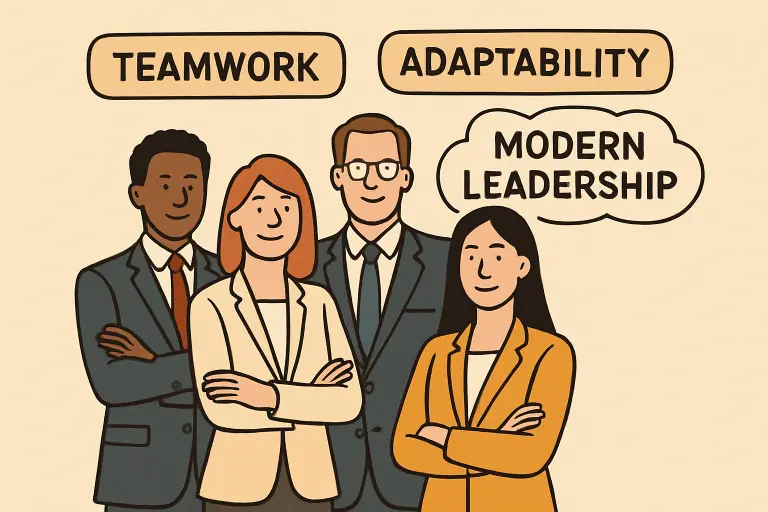
Balancing Empathy with Accountability
Employees want leaders who recognize their unique skills and circumstances. Balancing compassion with organizational goals can be difficult. Clear expectations and honest communication help maintain standards without losing empathy. Listening and fair issue resolution foster trust. Empathetic accountability boosts morale and retention, as employees want to feel heard and valued. Knowing when to be flexible or firm is vital for high performance and psychological safety.
Navigating Hybrid Work Models
One of the most significant shifts in recent years is the adoption of hybrid work models that blend remote and in-person work. Leaders face challenges in ensuring everyone is engaged, connected, and productive, regardless of location. Clear guidelines, accessible communication channels, and regular check-ins help bridge potential gaps between remote and office-based employees.
Inclusivity is also a key aspect of successful hybrid leadership. Leaders must ensure equal access to information, growth opportunities, and team-building activities. Creating a unified culture that extends beyond physical office space empowers teams to collaborate effectively in any environment.
Adapting to Technological Advancements
The rapid evolution of technology, especially with the introduction of artificial intelligence and automation, is fundamentally reshaping workplaces. Leaders must not only embrace innovative tools but also demystify these technologies for their teams. Encouraging ongoing learning and providing relevant training fosters a sense of confidence as employees navigate digital transformation.
Strong sales leadership also helps organizations adapt faster to new technologies while keeping teams motivated and performance-driven. This adaptable approach is essential for organizations operating in highly competitive and change-driven markets.
Fostering Diverse and Inclusive Cultures
Diversity and inclusion stand at the heart of modern organizational excellence. Leaders must take deliberate action to identify and reduce unconscious bias, ensuring every team member can contribute their unique perspective. This drive towards inclusivity leads to greater creativity, improved problem-solving, and stronger financial performance.
Empowering diverse voices involves more than simply assembling a diverse team. Leaders should implement policies and practices that encourage open dialogue, transparency, and equitable access to development opportunities, as Forbes emphasized in its coverage of leadership trends. Doing so lays the groundwork for innovation and employee satisfaction.
Building Trust in Times of Uncertainty
Periods of transformation and uncertainty test even the most seasoned leaders. Central to overcoming turbulent times is cultivating trust within teams. This requires transparency in communications and consistency in actions. Leaders must provide honest updates, even when the news is difficult, to keep teams informed and grounded.
Aligning promises with delivery and seeking feedback from all organizational levels strengthens trust and resilience. When people trust their leaders, they are more adaptable and committed, thereby strengthening the organization in the face of adversity.
Developing Future-Ready Skills
Leadership is not static; it evolves as new challenges emerge. Today’s leaders should prioritize continuous development, focusing on key areas such as adaptability, emotional intelligence, and openness to feedback. Participating in professional development opportunities and staying abreast of emerging industry trends will help leaders remain effective and future-ready.
Encouraging a learning culture within the organization, where both leaders and employees regularly upgrade their skills, ensures the entire team can thrive in any business climate. Programs that support lifelong learning are essential in preparing for the demands of tomorrow’s workplace.
Conclusion
Tackling the unique challenges of modern leadership requires a thoughtful, multifaceted approach. Leaders must balance empathy with accountability, lead with transparency, embrace technological change, and foster inclusivity. By prioritizing continuous learning and adaptability, leaders equip themselves and their teams to succeed in an ever-changing business environment. With the right strategies and a commitment to growth, today’s leaders can rise to meet even the most complex business challenges.