
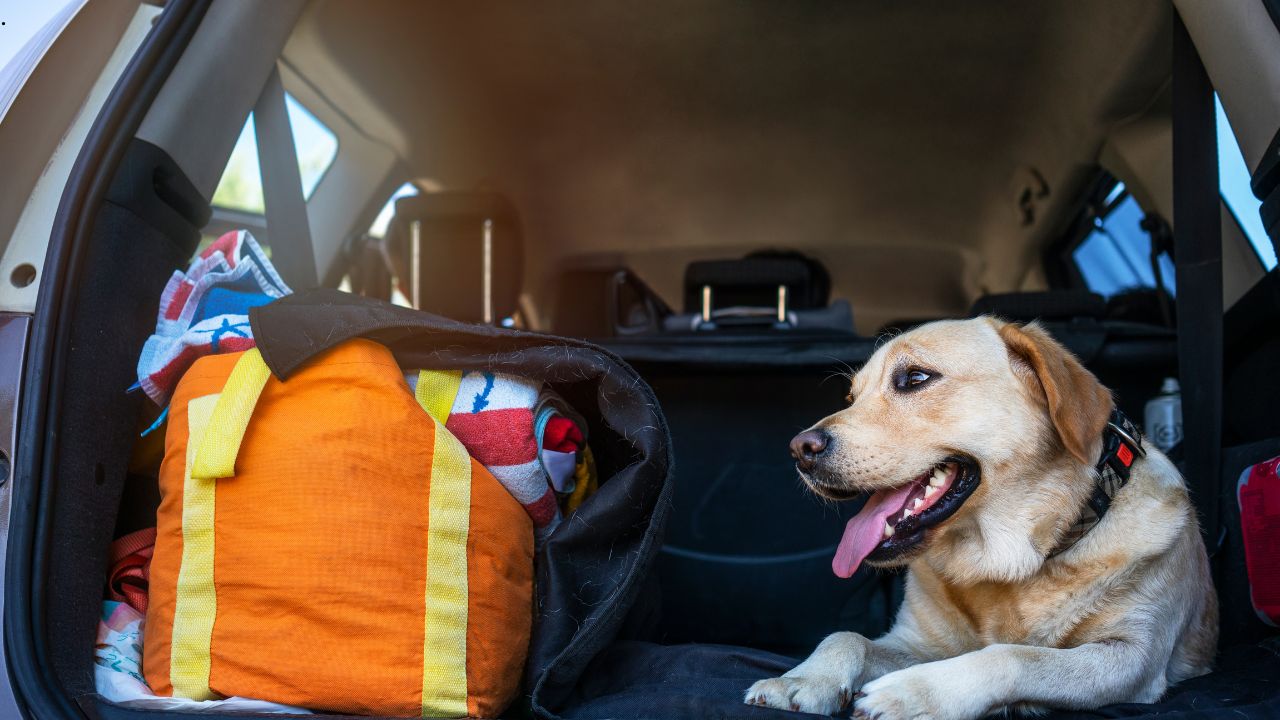
Many pet parents are excited about their pets, whether traveling with them or expecting their arrival after purchasing. There are reasons why pet owners travel with their pets. It can be a purchased pet far from their homes or traveling with them.
Any reason for a pet to travel has to prioritize security. They must have a safe departure and arrival. Traveling across local and international areas is very important for animals, as it can cause stress to them. The best pet transport company Australia ensures your pet enjoys a stress-free trip, from pickup to delivery.
Pet travel
Traveling pets require careful planning. It ensures pets travel safely while meeting safety and compliance requirements. They are prepared for the destination’s entry requirements. Pet travel covers the following:
- essential regulations
- travel options
- preparation steps
- practical safety tips
All these help pet owners plan smoother local and international travel.
Importance of safe travels with pets
Pet owners bringing their furbabies on a trip need to understand some guidelines, whether traveling locally or internationally. International travel is stressful for pets due to several factors:
- unfamiliar environments
- long transit times
- transportation procedures
Thus, proper preparation helps pets avoid:
- health issues
- travel delays
- entry complications
- unexpected quarantine upon arrival
Traveling safely protects your pet’s health. It reduces avoidable risks while traveling. The important requirements for the travel are prepared, such as:
- veterinary requirements
- travel arrangements
- destination regulations
Those are properly addressed before departure.
International pet travel becomes safer with careful planning. Pets and their owners will enjoy the following benefits:
- Reduce stress and anxiety during the transport
- Supports the pet’s health while traveling
- Ensures adherence to destination entry requirements
- Minimizes the risk of:
- travel delays
- documentation issues
- Creates a smoother relocation experience
Early preparation helps owners to have more time to:
- complete veterinary procedures
- organize the necessary documentation
- best travel arrangements
Guide to stress-free pet transport
More travellers are bringing their pets than leaving them behind. This expands the availability of pet-friendly services, such as:
- hotels
- airlines
- travel apps
Right mode of transport
Transport is the foundation of any pet travel plan. Road trips are the easiest and friendliest options for pets. The services offered for pet travel transport are:
- control the pace
- stop for food and water
- regularly checking the pet’s condition
A secured crate keeps animals safe in the car.
Flying with a pet needs thorough research before booking. You must check each airline’s own policy on:
- pet size
- breed
- placement
Small dogs and cats are placed in an approved soft sided carrier. Other airlines accept pets to take paid seats.
Larger dogs travel as:
- checked baggage
- cargo in an airline approved hard crate
Some breeds like flat-faced dogs have:
- face restrictions
- outright bans
They have breathing risks at altitude.
Prepare the pet’s health documentation
Domestic travel requires:
- current vaccination record
- identification (microchip and collar tag)
International travel requirements are more complex. Most countries require a health certificate issued by a licensed veterinarian within 10 days of departure. More countries have specific quarantine requirements for incoming animals. Some of the strictest include Australia.
FAQs
Is it important to verify the airline’s current pet policy?
Verifying the current pet policy of the airline is important. The rules may change and differ by route.
Why does international travel require a pet updated health certificate?
An updated OET health certificate confirms the current health condition and whether it is up-to-date on vaccinations, like rabies.
What happens if you fail to comply with destination country requirements?
Failure to comply with the destination country’s requirements results in:
- pet is quarantined at the airport at your expense
- denied entry entirely
What is the best thing to do when failing to comply with the detention country’s requirements?
You must contact your destination country’s embassy for the most current requirements. The rules change without notice, and you should be attentive to this when planning to travel with your pet.