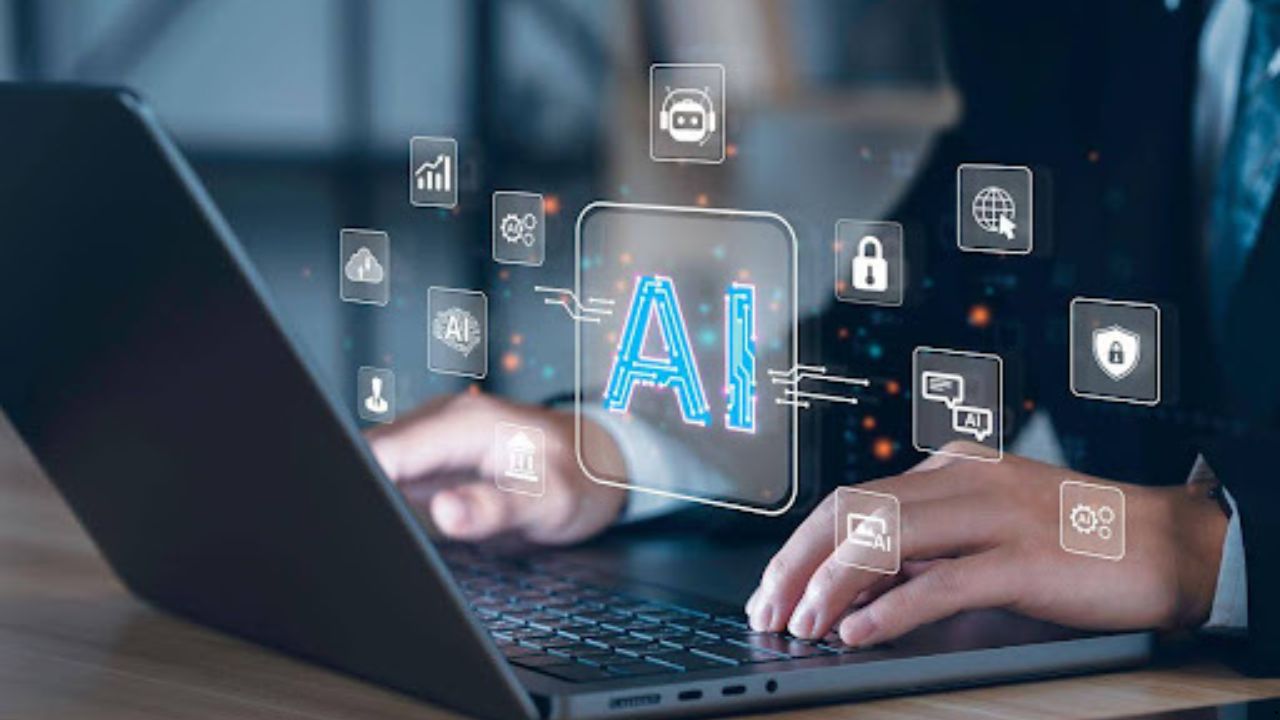
Personal computing is entering a new phase. Gartner predicts 100% of new enterprise PCs will have AI chips by the end of 2026.
This shift is not random. Software now relies on machine learning for increased speed, enhanced safety, and improved ease of use. Cloud-based AI once handled these tasks. That model caused a delay and data risk. AI PCs change this path. They move intelligence to the device.
Latest-generation processors now incorporate CPU, GPU, and NPU units that work together. This design improves response time and control. Users feel faster actions from the first use. From schoolwork to office tasks, these systems stay alert and efficient.
These advances build on AI computing experiences that only AI-powered PCs can deliver today.
Table of Contents
1. Adaptive Processing With AI-Driven Scheduling
AI PCs do not treat all tasks the same. The processor uses an AI scheduler to study workload type and priority. It assigns tasks to the right core at the right time.
This process improves efficiency in a technical way.
- High-load tasks move to performance cores.
- Light tasks run on efficiency cores.
- Background jobs stay isolated.
Many experts link this balance to the experience people expect from the best AI PC, as performance feels steady under pressure. The AI model inside the chip updates decisions in milliseconds. This reduces idle cycles. It also lowers thermal output.
2. On-Device AI Acceleration Through NPUs
A major technical upgrade in AI PCs is the Neural Processing Unit. The NPU handles matrix math used in machine learning models. It works in conjunction with the CPU and GPU.
This design allows local AI execution.
- Speech recognition runs offline.
- Image tagging happens instantly.
- AI search avoids cloud delay.
The NPU utilizes low-precision math, such as INT8 operations. This reduces power consumption while maintaining accuracy. The latest generation chips reach trillions of operations per second. That speed supports real-time AI features without network support.
3. Intelligent Memory Management at Hardware Level
AI PCs manage memory in a smarter way. The system predicts data access patterns. It preloads needed blocks into a faster cache. This reduces wait time during multitasking.
How Predictive Caching Works
The AI model tracks app behavior over time. It learns which files load together. It moves them closer to the processor before use. This reduces page faults. It also lowers RAM pressure. Users notice fewer freezes. Apps switch faster. This memory logic operates within the firmware and silicon layers, making it fast and reliable.
4. AI-Enhanced Graphics and Media Processing
The best AI PCs enhance graphics through intelligent processing at the hardware level. The GPU works with AI models to boost image quality. These models clean video frames in real time. They sharpen text and balance colors during use.
This shift highlights the renewed PC necessity for productivity, learning, and communication.. The system adjusts visual output based on screen load. It predicts motion changes before they appear. This avoids sudden frame drops.
AI also helps with media encoding and decoding. Videos render faster during edits. Screen sharing stays clear during meetings. This capability also influences gaming hardware decision when choosing between high-performance PCs and laptops. This saves energy and keeps the system cool. Users see better visuals without needing to change settings.
5. Proactive Security Using Behavioral Analysis
Traditional security tools react after a threat has already appeared. AI PCs act before damage starts. They use behavioral models stored on the device.
Continuous Threat Monitoring
The AI engine watches system calls, memory access, and login patterns. It builds a baseline of normal activity. Any sharp change triggers a response.
This method blocks zero-day attacks. It does not rely on signatures. It works even offline. This proactive design adds a strong layer of trust for users handling sensitive data.
6. Advanced Power Optimization With Machine Learning
Battery control in AI PCs uses machine learning models trained on usage data. The system predicts future demand based on current actions.
This allows fine control.
- Voltage scales per core.
- Clock speed adjusts per task.
- Sleep states activate faster.
This is one of the ways AI reacts faster than manual system settings. It reduces peak drain. This technical control extends battery life without reducing speed. Users gain longer sessions with consistent performance.
7. Personalized System Behavior Through Local Models
AI PCs store small learning models on the device. These models adapt to user habits. They do not send data outside. This learning stays local. It updates gradually. Over time, the system feels tuned to the user. Many buyers consider this adaptive behavior when choosing the best AI PC for long-term use.
Personalization happens at the system level.
- The startup prioritizes daily apps.
- Search ranks frequent files higher.
- Notifications follow usage patterns.
Conclusion: The Technical Shift That Redefines PCs
AI PCs represent a true architectural change. They combine CPU, GPU, and NPU into one intelligent platform. Each capability connects to the next. Adaptive scheduling improves speed. NPUs power local intelligence. Memory prediction reduces delay. Graphics use AI math. Security watches behavior. Power control learns patterns. Personalization grows over time.
These systems do more than run apps. They respond and adapt. They reduce friction in daily work. As software becomes more complex, this hardware model stays ready. AI PCs are not a trend. They are the next standard for personal computing.