Business contracts are fundamental to establishing clear and legally binding relationships between parties. They delineate rights, responsibilities, and expectations, providing a framework for smooth operations. However, even minor oversights in contract drafting can lead to significant disputes and financial losses. Engaging a business contract lawyer is crucial to ensure that agreements are comprehensive and enforceable. Freeman Lovell, a law firm specializing in contract negotiation and drafting, offers tailored legal strategies to protect your business interests and minimize potential liabilities.
Table of Contents
Vague or Ambiguous Language
Unclear terms can lead to different interpretations, which can result in conflicts. For instance, phrases like “reasonable time” or “fair payment” without specific definitions can cause misunderstandings. It’s crucial to use precise language and clearly define all terms to ensure mutual understanding.
Missing Essential Terms
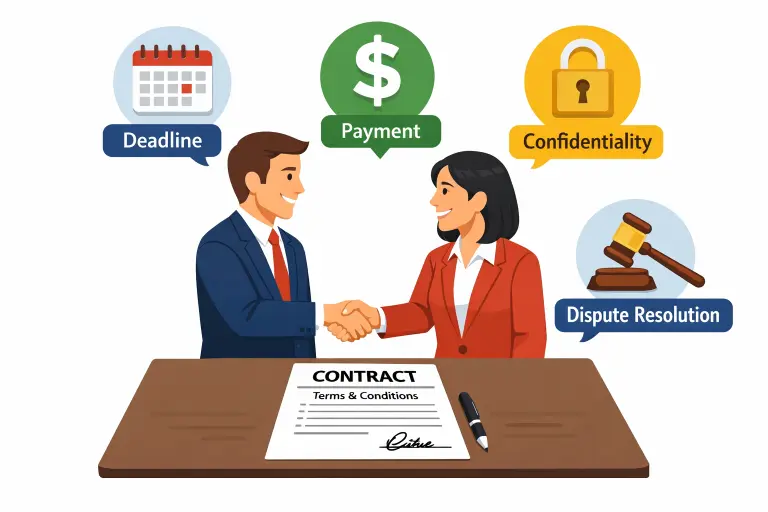
Omitting key provisions such as payment details, deadlines, scope of work, and termination conditions can leave gaps that may lead to disputes. Ensure every obligation and expectation is clearly outlined to prevent misunderstandings.
Lack of Dispute Resolution Clauses
Without a clear method for handling disagreements, disputes can quickly become expensive and time-consuming. A well-structured dispute resolution process helps prevent this and keeps business relationships stable. Including a dispute resolution clause that outlines whether issues will be handled through mediation, arbitration, or litigation, and in which jurisdiction, can save time and resources.
Unclear Payment Terms
Failing to clearly define when and how payment is made can lead to confusion and delays, which may affect cash flow and trust. Some businesses are even exploring alternative payments like gold and silver to diversify transaction options — learn more about these alternative payments. Clearly state payment due dates, methods, late fees, and invoicing procedures.
Ignoring Termination and Exit Clauses
Many contracts lack a proper termination clause, leaving parties stuck in unwanted agreements. It’s critical to address under what conditions the contract can end and the process involved in doing so. Add clear exit strategies for both parties, including notice periods, penalties, or obligations after termination.
Not Updating Templates
Using outdated or generic templates without customization is risky. Laws change, and no two agreements are the same. A contract that worked for one deal may not suit another. Always tailor your contracts to the specific transaction and update templates regularly to reflect current laws and practices.
Overlooking Confidentiality and IP Protection
In many industries, failing to protect intellectual property (IP) or confidential information can be disastrous. Ensure that your contracts include clauses that safeguard sensitive information and define the ownership of any IP created during the business relationship.
Failing to Seek Professional Legal Assistance
Attempting to draft or negotiate contracts without legal expertise can lead to oversights and vulnerabilities. Engaging a knowledgeable business contract lawyer can help ensure that your agreements are comprehensive and enforceable. Firms like Freeman Lovell specialize in contract negotiation and drafting, offering services that protect your rights and help avoid disputes. Their team of experienced attorneys works diligently to understand your unique business needs and tailor legal strategies accordingly.
By recognizing these common pitfalls and taking proactive steps to address them, you can create robust contracts that support successful, legally sound business relationships.
Not Considering Force Majeure Clauses
A critical yet sometimes overlooked provision in business contracts is the force majeure clause. This clause addresses unforeseen events, such as natural disasters, pandemics, or government actions, that might prevent a party from fulfilling its contractual obligations. Without a well-drafted force majeure clause, parties may find themselves exposed when events beyond their control disrupt business operations. It is recommended to describe what constitutes a force majeure event explicitly and set out the procedures for notification and resolution should such circumstances arise.
Failing to Address Assignment and Subcontracting
Contracts should clearly stipulate whether a party may assign its rights or obligations to another entity, or whether subcontracting is permitted. Without clear provisions, parties could unexpectedly find their agreements transferred to unfamiliar or unqualified entities. Ensure your contracts specify any restrictions or requirements on assignment and subcontracting to retain control over who performs the work or receives contractual benefits.
Inadequate Compliance and Regulatory Provisions
Depending on the industry or jurisdiction, contracts may need to address regulatory compliance or adherence to specific laws. This is especially relevant in sectors like healthcare, finance, and data privacy, where regulatory scrutiny is high. Including provisions that require compliance with all applicable laws and regulations, and allocating responsibility for non-compliance, helps reduce future liabilities and avoid costly penalties.
Skipping Periodic Contract Reviews
Contracts should not be forgotten once they are signed. Periodic reviews are essential to ensure that the terms remain relevant, especially as laws, business needs, or commercial contexts change. Scheduling regular reviews with legal counsel can identify outdated provisions or unintended risks before they become issues.
Insufficient Documentation of Changes
Whenever contract terms need to be amended, it is crucial to document changes formally through written amendments or addenda, signed by all parties. Relying on verbal agreements or informal communications can lead to disputes, especially when parties later disagree about what was decided. A robust change management process within your contract administration helps maintain clarity and enforceability over time.
Best Practices and Proactive Measures
Aside from avoiding specific pitfalls, adopting a systematic approach to contract management can further safeguard your business. Prioritize the following best practices:
- Involve Stakeholders Early: Engage relevant business functions, such as finance, operations, and technology, during drafting and negotiation to ensure practical and thorough contracts.
- Use Contract Management Software: Using digital contract management software can make tracking deadlines, renewals, and compliance much easier while reducing manual effort and errors.
- Train Internal Teams: Educate team members involved in contract administration about key terms and risks so they know when to seek legal advice or escalate issues.
- Maintain Clear Records: Keep all versions, communications, and supporting documents well-organized and accessible for easy reference and audit.
Ultimately, contracts are living documents that require attention beyond the signature phase. By embracing diligence in drafting, reviewing, and managing agreements, and always seeking professional assistance when needed, your business can foster more secure and productive relationships, minimize legal exposure, and drive sustainable growth. Taking these steps can transform contracts from potential sources of risk into valuable instruments for strategic advantage.