
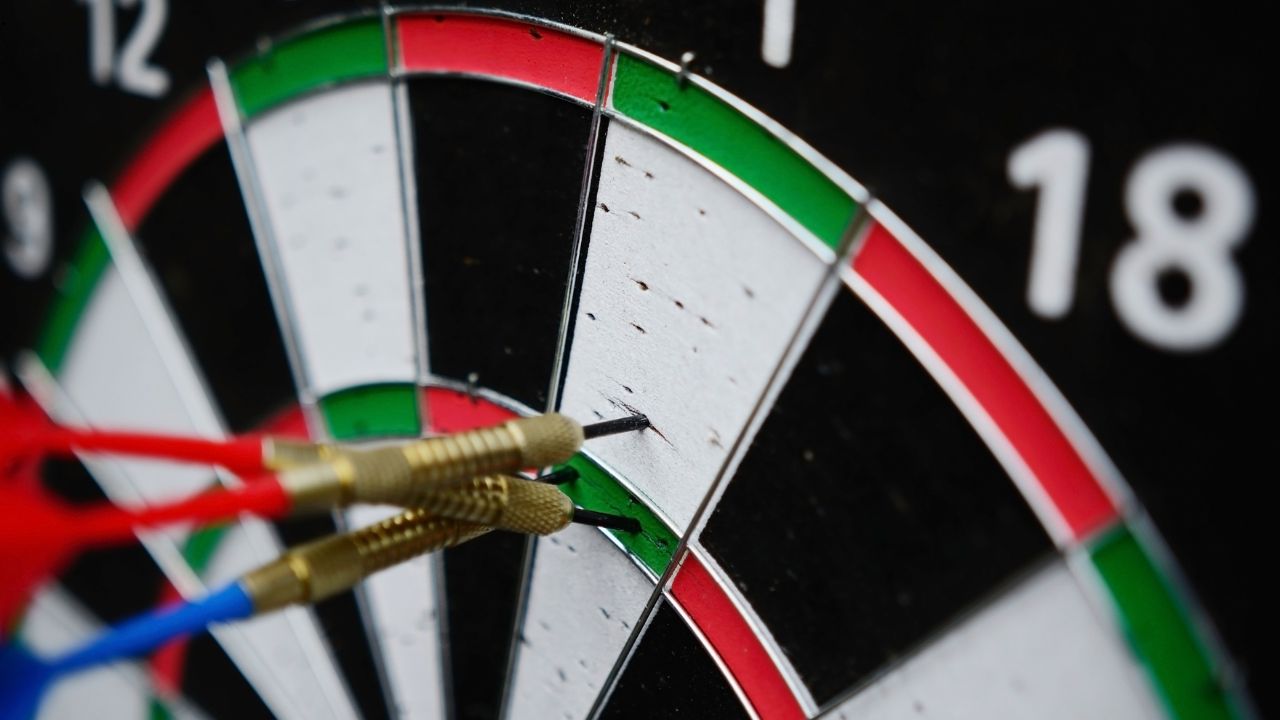
Indoor precision games have long been a favourite in Australian homes, pubs and recreational spaces. Whether you’re setting up a games room, improving your pub league skills or simply enjoying some weekend competition with mates, having the right equipment makes a noticeable difference.
Two of the most popular skill-based games are darts and pool. Both demand focus, technique and quality gear. Investing in well-made Darts and a properly balanced cue can dramatically improve your consistency and enjoyment.
This guide explains how to choose the right equipment, what features matter most and how to get the best performance from your setup.
Why Quality Equipment Matters
Many beginners assume all game accessories are much the same. In reality, the design and materials used in your gear have a significant impact on control and accuracy.
High-quality equipment offers:
- Better balance and weight distribution
- Improved durability
- Greater consistency in play
- Enhanced comfort and grip
- More confidence during competition
Whether you’re throwing at a dartboard or lining up a difficult bank shot, quality tools help you perform at your best.
Understanding the Basics of Darts
Darts are precision instruments made up of four main parts:
- Point
- Barrel
- Shaft
- Flight
Each component affects how the dart behaves in flight and how comfortable it feels in your hand.
Barrel Materials and Grip
The barrel is the section you hold. Most serious players prefer tungsten barrels because they are:
- Dense and slim
- Highly durable
- Available in a wide range of grip styles
Brass barrels are cheaper and suitable for casual players, but they tend to be bulkier.
Choosing the Right Weight
Dart weights generally range from 18g to 30g.
| Player Type | Recommended Weight |
| Beginner | 22g–24g |
| Intermediate | 21g–25g |
| Advanced | Personal preference |
Most Australian players find 23g or 24g a comfortable starting point.
Flights and Shafts
Flights stabilise the dart in the air, while shafts connect the flight to the barrel.
Common options include:
- Standard flights for maximum stability
- Slim flights for faster throws
- Short shafts for tighter grouping
- Medium shafts for balanced control
Experimenting with combinations helps you find the setup that suits your throwing style.
How to Choose the Best Cue
A cue is more than just a stick. It is a precision tool that determines how accurately and smoothly you strike the cue ball.
Cue Length and Weight
Most cues are around 57–58 inches long and weigh between 18 and 21 ounces.
| Skill Level | Suggested Weight |
| Beginner | 19–20 oz |
| Intermediate | 19 oz |
| Advanced | Based on preference |
A 19-ounce cue is often the most versatile option.
Shaft Material
Maple remains the traditional and most popular shaft material due to its solid feel and natural flexibility.
Some premium models use carbon fibre shafts, offering:
- Low deflection
- Increased durability
- Resistance to warping
Tip Size and Hardness
The tip is crucial for spin and ball control.
- Soft tips: More grip and spin
- Medium tips: Balanced performance
- Hard tips: Longer-lasting and more consistent
Medium tips are the preferred choice for most players.
Darts vs Pool: Skills That Complement Each Other
Although different, both games require:
- Hand-eye coordination
- Mental focus
- Repeatable technique
- Strategic thinking
- Fine motor control
Many players enjoy both games because they sharpen similar skills.
Setting Up the Perfect Games Room
Creating a dedicated entertainment area adds value and fun to your home.
Essential Equipment Checklist
- Quality dartboard
- Set of tungsten darts
- Pool table
- Reliable cue
- Chalk and tip tools
- Scoreboard or app
- Proper lighting
- Wall and floor protection
Space Requirements
| Item | Recommended Space |
| Dartboard Throw Distance | 2.37 m |
| Pool Table Clearance | At least 1.5 m around table |
Adequate space ensures comfortable gameplay and protects your walls and furniture.
How to Improve Your Darts Technique
Step 1: Establish a Consistent Stance
Stand side-on to the board with your dominant foot forward.
Step 2: Use a Relaxed Grip
Hold the barrel firmly but without tension.
Step 3: Focus on Smooth Release
Keep your elbow steady and follow through naturally.
Step 4: Practise Doubles
Winning legs often comes down to accurate finishing.
How to Improve Your Pool Game
Step 1: Develop a Stable Bridge
Your bridge hand should be solid and repeatable.
Step 2: Align Carefully
Keep your cue level and eyes focused on the contact point.
Step 3: Stroke Smoothly
Avoid jerking or lifting the cue.
Step 4: Learn Cue Ball Control
Mastering spin and speed is the key to strategic play.
Pros and Cons of Buying Premium Equipment
Advantages
- Superior performance
- Better materials
- Greater longevity
- More consistent results
- Increased confidence
Disadvantages
- Higher upfront cost
- More options can be overwhelming
For regular players, premium gear is usually a worthwhile investment.
Maintenance Tips for Long-Lasting Equipment
Proper care ensures your gear stays in top condition.
Darts Maintenance
- Replace damaged flights and shafts
- Clean barrels regularly
- Sharpen steel tips as needed
Cue Maintenance
- Wipe the shaft after each session
- Store in a protective case
- Shape and scuff the tip periodically
- Avoid excessive heat and humidity
Common Buying Mistakes to Avoid
Many players waste money by choosing equipment based solely on appearance.
Avoid these mistakes:
- Buying the cheapest option available
- Ignoring weight and balance
- Choosing unsuitable grip styles
- Neglecting maintenance accessories
- Failing to test different setups
Recommended Buying Strategy
If you’re unsure where to begin, follow this simple approach.
- Start with mid-range equipment.
- Practise consistently for several weeks.
- Identify what feels comfortable.
- Upgrade individual components over time.
This method allows you to build a setup tailored to your playing style.
Who Should Invest in Better Equipment?
Upgrading makes sense if you:
- Play weekly or more often
- Compete in leagues or tournaments
- Want faster skill improvement
- Are creating a dedicated games room
- Appreciate long-term durability
Even casual players notice improved enjoyment when using quality gear.
Frequently Asked Questions
What weight darts are best for beginners?
Most beginners perform well with darts weighing between 22g and 24g.
What is the ideal cue weight?
A 19-ounce cue is a popular all-round option suitable for most players.
Are expensive darts worth it?
Yes, premium darts offer better materials, balance and durability, leading to more consistent performance.
How often should I replace cue tips?
Depending on usage, cue tips may need replacement every 6 to 12 months.
Can one cue suit every playing style?
A versatile cue works well for most players, but personal preferences evolve with experience.
Is tungsten better than brass for darts?
Tungsten is denser and allows slimmer barrels, making it the preferred choice for serious players.
Conclusion
Whether you’re aiming for a perfect 180 or planning your next break shot, the right equipment makes every session more enjoyable and productive. Choosing quality Darts and a well-balanced cue helps improve accuracy, confidence and consistency.
By understanding weights, materials and maintenance requirements, you can invest wisely and enjoy years of better gameplay. If you’re ready to elevate your skills, now is the ideal time to upgrade your setup and transform your games room into a true entertainment hub.