Table of Contents
Why the Front Bumper Matters More Than You Think
Most truck owners think of the bumper as just a protective exterior part. But on a modern semi truck—especially a Freightliner Cascadia—the front bumper plays a much bigger role.
It directly affects airflow, which is critical for cooling performance.
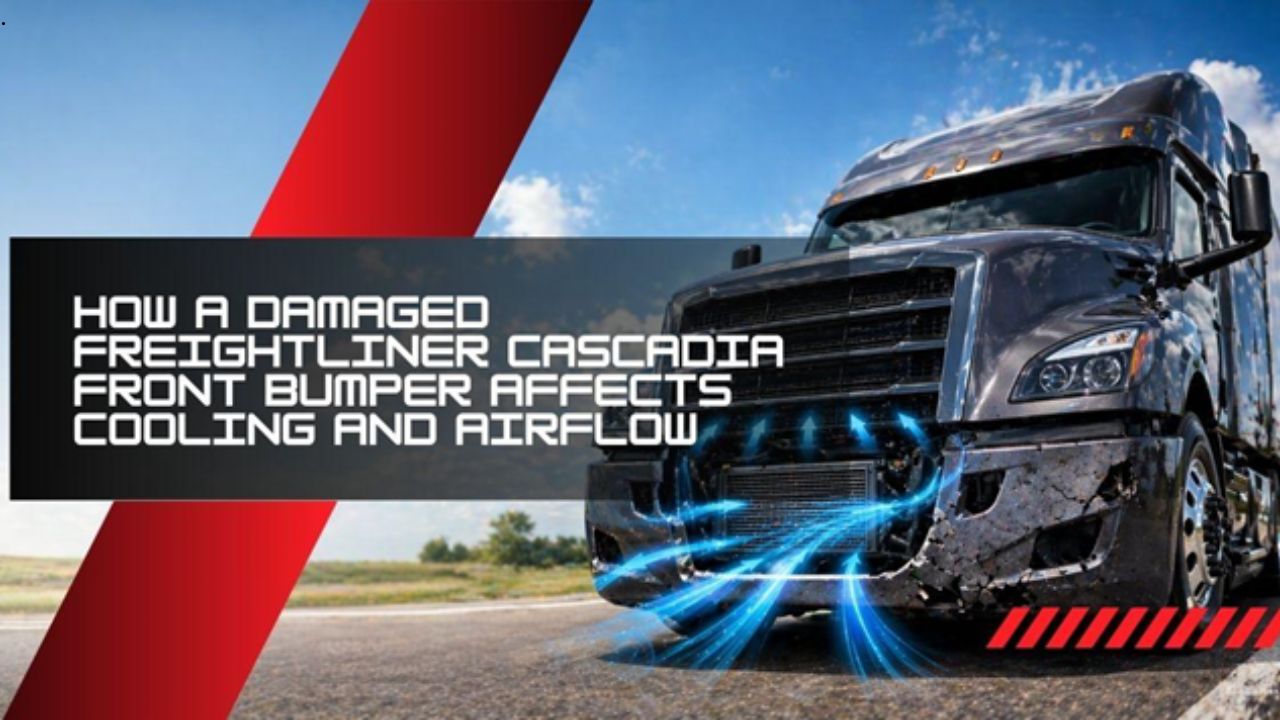
When a Freightliner Cascadia bumper is damaged, misaligned, or poorly fitted, it can disrupt how air flows into the radiator and engine bay. That disruption can lead to overheating, especially during warmer months or heavy workloads.
How Airflow Works on a Freightliner Cascadia
The front end of a Cascadia is designed to guide air efficiently.
Air enters through:
- The grille
- Air channels around the bumper
- Openings that direct airflow toward the radiator
From there, air moves through the cooling system to regulate engine temperature.
When everything is aligned properly, airflow is smooth and effective. But when the Freightliner Cascadia front bumper is damaged, airflow can become restricted or misdirected.
What Happens When the Bumper Is Damaged
Even small bumper damage can create larger performance issues.
Restricted Airflow
Cracks, dents, or misalignment can block or redirect airflow away from the radiator.
Increased Engine Temperatures
Reduced airflow lowers cooling efficiency, and without proper oil changes, higher engine temperatures can put even more strain on the engine over time.
Uneven Cooling
Air may not reach all areas of the cooling system evenly, creating hot spots.
Reduced Efficiency
Engines running hotter tend to operate less efficiently over time.
Common Causes of Freightliner Cascadia Bumper Damage
Bumper damage is more common than expected.
Winter Road Conditions
Ice, debris, and road salt can weaken or damage the bumper over time.
Minor Collisions
Low-speed impacts or contact with loading docks can cause misalignment.
Road Debris
Rocks and debris on highways can crack or chip the bumper.
General Wear
Over time, materials degrade, especially when exposed to harsh conditions.
Signs Your Bumper Is Affecting Cooling Performanc
If airflow is being affected, you may notice:
- Rising engine temperature
- Overheating under load
- Increased cooling fan activity
- Reduced performance efficiency
- Visible bumper damage or misalignment
These signs often become more noticeable as temperatures increase and workloads grow.
Why This Becomes a Bigger Issue in Spring
Spring introduces a combination of factors that stress the cooling system:
- Warmer temperatures
- Increased driving and freight demand
- Existing wear from winter conditions
A bumper issue that seemed minor in colder months can quickly become a performance problem once cooling demand increases.
Repair or Replace: What Should You Do?
Not all damage requires replacement, but it depends on severity.
Repair May Be Enough If:
- Damage is mostly cosmetic
- Airflow is not affected
- Alignment is still correct
Replacement Is Recommended If:
- Airflow is restricted
- Bumper is cracked or broken
- Alignment is off
- Cooling performance is affected
Addressing the issue early helps prevent more serious problems later.
Common Questions About Truck Bumpers and Cooling
Does a semi truck bumper affect cooling?
Yes, the front bumper helps direct airflow into the radiator. Damage can reduce airflow and impact cooling efficiency.
Can a damaged bumper cause overheating?
Yes, if airflow is restricted or misdirected, the engine may not receive adequate cooling, leading to overheating.
How do you know if your bumper is affecting airflow?
Common signs include rising engine temperature, overheating under load, and visible bumper misalignment or damage.
Final Thoughts
The front bumper on a Freightliner Cascadia is more than just a protective component. It plays a direct role in airflow and engine cooling.
Even minor damage can affect how efficiently the cooling system operates. Identifying and addressing these issues early helps maintain performance and prevent unnecessary downtime.