Key Takeaways
- Understanding and adhering to traffic laws is fundamental for road safety.
- Defensive driving techniques can prevent accidents and save lives.
- Regular vehicle maintenance ensures optimal performance and safety.
- Continuous education and practice enhance driving skills over time.
Road safety is a shared priority for everyone who interacts with traffic, whether behind the wheel or as a pedestrian. Participating in a structured learning environment, such as a driving school, helps new and experienced drivers develop lifelong safe habits. Embracing expert advice from driving instructors can minimize risks and foster a culture of courtesy and caution on the roads. For those looking to master essential skills, consider exploring Comprehensive Driving Lessons Ottawa to build a foundational understanding of safe driving practices.
Formal driver education goes beyond obtaining a license. It prepares individuals to make good decisions, identify hazards, and proactively prevent dangers before they escalate. When drivers continually educate themselves and adhere to proven safety techniques, they contribute to a safer environment for everyone, from other vehicle occupants to cyclists and pedestrians they share the space with.
Whether you are a new driver or seeking to improve years of experience, integrating best practices will lead to safer journeys, fewer accidents, and greater confidence. Safe driving is not simply an individual task; it is a social responsibility. By valuing proper training, drivers ensure their own safety and positively impact the community at large.
Adopting these essential tips not only reduces crash risk but also reduces vehicle wear and tear, saves money by reducing costly incidents, and supports community health and well-being. Building strong habits through repeated education and practice is one of the best ways to foster a legacy of road safety, as noted by reputable organizations such as the National Highway Traffic Safety Administration.
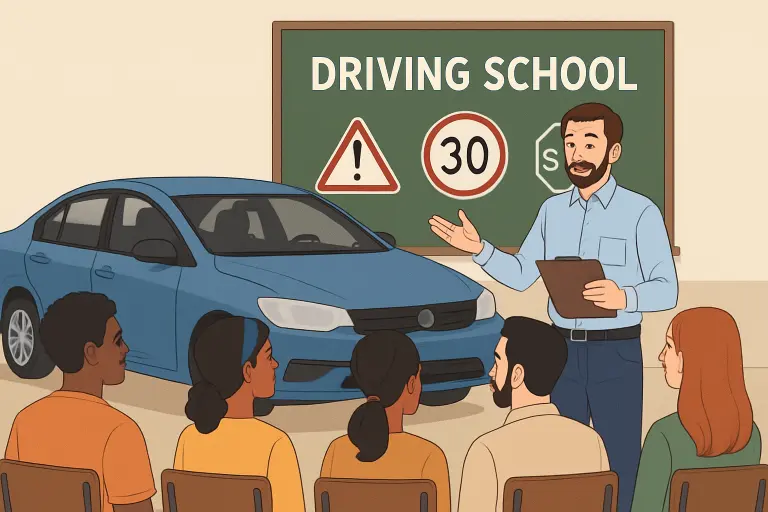
Table of Contents
Understanding Traffic Laws
Knowing and following current traffic laws is fundamental to safe driving. Traffic regulations exist to ensure order, predictability, and fairness on the road, helping everyone travel safely. It is vital to stay updated on changes, as laws can vary by municipality and occasionally be revised based on new research or safety data.
Reliable driving schools routinely review the prevailing rules and encourage students to consider why these laws exist, thereby enhancing understanding beyond rote memorization. Practical knowledge of speed limits, right-of-way rules, and proper signage interpretation reduces collisions and legal issues. Many drivers overlook important legal details that can lead to fines or penalties. Understanding Texas insurance rules is just as important as knowing speed limits, especially for those driving or relocating within the state.
Defensive Driving Techniques
Defensive driving is a proactive approach focused on preventing incidents before they occur. This mindset, championed by driving schools, centers on anticipating potential hazards and making informed choices quickly and calmly. Defensive drivers are always prepared to respond to the mistakes of others or sudden changes in traffic flow.
- Keep a safe following distance: Ensure there is ample space between you and the vehicle in front, allowing for sudden stops in any condition.
- Maintain situational awareness: Consistently scan mirrors and blind spots. Evaluate the intentions and behaviors of other road users.
- Adjust speed responsibly: Travel at speeds appropriate for road, weather, and traffic conditions, not just the posted limit. Slower speeds grant more time for decision-making.
By consistently applying these techniques, drivers significantly lower the chance of crashes and foster a more considerate environment for all.
Importance of Vehicle Maintenance
Even the best-trained drivers are only as safe as the condition of their vehicles. Routine maintenance prevents mechanical issues that could lead to dangerous breakdowns or reduced control. Key areas of focus should include:
- Inspecting tires for correct pressure and safe tread depth to improve grip, especially on wet or icy roads.
- Checking brakes for responsive performance and promptly replacing worn components.
- Verifying lights and indicators to ensure visibility to other drivers and pedestrians.
- Maintaining clean windshields and functioning wipers for optimum vision.
These basic checks, coupled with regular servicing, can help avoid inconvenient or potentially hazardous incidents, as noted by NHTSA.
Avoiding Distracted Driving
Distracted driving is a primary factor in road accidents globally and is entirely preventable. Familiar sources of distraction include texting, eating, interacting with passengers, or adjusting controls. Driving instructors stress the necessity of undivided attention while operating a vehicle. To prevent distractions, drivers should:
- Store mobile devices out of immediate reach and utilize hands-free technologies sparingly.
- Configure GPS and music before the journey begins to avoid adjustments en route.
- Commit to focusing solely on driving, saving other activities for when safely parked.
Minimizing distractions maintains situational awareness, yielding quicker reactions to sudden hazards and reducing the likelihood of mistakes.
Adapting to Weather Conditions
Inclement weather changes driving dynamics. Rain, snow, fog, and ice can all reduce visibility and road traction, demanding slower speeds and increased caution. During adverse weather, drivers should:
- Drive at a reduced pace, allowing extra time to brake or divert around obstacles.
- Increase the following distance to account for longer stopping distances that slippery surfaces can create.
- Turn on the headlights to be more visible to others, not just to improve their own vision.
- Avoid sudden maneuvers, as abrupt actions can easily cause a loss of control on slick roads.
Preparing for weather changes by planning routes and keeping emergency kits on hand can further enhance safety, as AAA highlights.
Continuous Education and Practice
Driving education is an ongoing journey. Regularly attending refresher courses or defensive driving seminars keeps skills sharp and introduces drivers to the latest regulations and vehicle technologies. Practicing in different road conditions helps drivers feel more confident behind the wheel. It also prepares them for real-world situations. If you’re planning to buy a vehicle, reviewing these car test drive tips can help you evaluate safety, comfort, and performance before making a decision.
Experienced drivers benefit from revisiting key safety concepts, as habits can slip over time. Keeping up with new laws, advanced vehicle features, and emerging risks encourages lifelong learning, ultimately leading to superior driving judgment and safety for all road users.
Conclusion
Safe roads are built on the collective actions of attentive, well-trained drivers. By understanding the rules, applying defensive strategies, caring for your vehicle, avoiding distractions, responding wisely to changing conditions, and committing to lifelong learning, each driver plays a pivotal role in reducing accidents and saving lives. Continuous improvement and adherence to expert guidance are essential steps toward creating safer roadways for all.