Financial planning is an ongoing process that helps you align your money with your life goals as you move through different stages. Each phase presents new opportunities and challenges, making it essential to develop and adapt strategic financial approaches. Whether you are just starting or looking ahead to retirement, a strong plan will provide stability and peace of mind. By working with trusted professionals like Mark Henry Founder of Alloy Wealth, you can set a strong foundation that focuses on your needs both today and tomorrow.
Engaging in structured financial planning allows you to identify priorities unique to your current lifestyle. As life changes, goals and responsibilities shift, requiring updated strategies to stay on course. Through consistent action and continuous learning, you can not only secure your financial well-being but also flourish during unexpected twists and turns.
The journey involves far more than simply saving and investing. It includes budgeting, preparing for emergencies, safeguarding against risk, and adjusting plans to keep up with life’s transitions. Leveraging education and expert resources along the way will empower you to make informed decisions that withstand both routine transitions and surprise events.
Table of Contents
Early Career: Building a Strong Foundation
Your early career provides a critical opportunity to establish sound financial habits that echo throughout your life. Mastering the basics helps you avoid common setbacks and prepares you to seize future opportunities. Start by creating a practical budget that tracks both income and expenses. Understanding where your money goes each month gives you the awareness needed to build savings and avoid unhealthy debt.
- Budgeting: Consistently monitor your monthly income and spending patterns. This not only helps you make better day-to-day decisions but also highlights areas for potential savings.
- Emergency Fund: Aim to accumulate three to six months’ worth of living expenses in a readily accessible account. This cushion guards against unexpected job loss or surprise expenses.
- Debt Management: Focus on reducing high-interest debt, particularly credit card debt, to free up more cash flow in the future.
- Retirement Savings: Take full advantage of employer-sponsored retirement plans, especially those that offer matching contributions so that compound growth can work in your favor over time.
Establishing these habits early helps in building financial security that supports long-term growth and resilience.
Mid-Career: Expanding and Protecting Wealth
As your career progresses and your income grows, your financial strategy shifts from laying the foundation to building wealth and safeguarding your assets. Now is the time to diversify investments, build robust insurance coverage, and solidify plans to protect your family and legacy.
- Investment Diversification: Exploring modern wealth strategies helps balance growth opportunities with risk management. Allocate across a mix of asset classes, including stocks, bonds, and real estate.
- Insurance Coverage: Make sure you have adequate health, life, and disability insurance in place to protect yourself and dependents from financial shocks.
- Estate Planning: Prepare key legal documents, such as a will or trust, and periodically review beneficiary designations to ensure your assets are transferred according to your wishes.
- Tax Planning: Strategize with professionals to maximize tax deductions and credits. Smart tax planning can increase available resources for investing or saving.
This stage is about balancing further wealth accumulation with responsible risk management to enhance your security for the years ahead.
Pre-Retirement: Preparing for the Transition
In the final years leading up to retirement, focus shifts to refining your vision for the future and solidifying the mechanisms that will fund and support your lifestyle. This is when you calculate how your resources align with your retirement goals and address any shortfalls proactively.
- Retirement Goals: Defining your post-career lifestyle early allows for affordable retirement planning that fits evolving income and responsibilities.
- Healthcare Planning: Investigate Medicare options and consider long-term care insurance to protect against rising medical costs.
- Income Streams: Review when and how to claim Social Security, pension benefits, or distributions from retirement accounts for optimal results.
- Debt Reduction: Work to minimize or eliminate any outstanding obligations so you can enter retirement with fewer financial burdens.
Careful assessment and planning during this stage ensure a smooth, confident transition into retirement.
Retirement: Managing and Enjoying Your Savings
Retirement marks a transition from saving to spending, and maintaining control over your resources is essential for lasting security and comfort. The focus now becomes orchestrating your withdrawal strategy, managing healthcare costs, and regularly revisiting your plans as circumstances change.
- Withdrawal Strategy: Creating a sustainable income plan includes managing market volatility while preserving retirement assets.
- Budgeting: Monitor and adjust expenses to fit within the limits of your new income sources.
- Healthcare Costs: Pay close attention to medical expenses. Having a plan can help mitigate surprises and maintain your standard of living.
- Estate Review: Periodically revisit your estate plan to ensure it reflects your current wishes and any new family needs or tax laws.
Good stewardship during retirement ensures that your resources support your chosen lifestyle and legacy.
Navigating Unexpected Life Events
Life does not always go as planned, so building resilience into your financial life is an ongoing necessity. Regularly updating your emergency fund and insurance coverage, along with a flexible approach, will help you adapt to whatever comes your way.
- Emergency Savings: Maintain an accessible savings account dedicated to unplanned expenses such as job loss or medical emergencies.
- Insurance Review: Periodically evaluate whether your life, disability, and property coverage is adequate for your current needs.
- Flexible Planning: Be ready and willing to adjust your financial strategy if major changes occur, such as a career transition, health event, or family shift.
Adaptability, paired with a strong foundation, is the best safeguard for ongoing financial wellness.
The Importance of Financial Education
Lifelong learning is your best ally in financial planning. The more informed you are about saving, investing, taxes, and general money management, the more confident and prepared you will be.
The Library of Congress’s personal finance life-stage guides also provide clear frameworks and advice for navigating the financial complexities unique to each phase of life.
Investing in ongoing financial education puts the power to make smart, forward-looking choices firmly within your grasp.
Final Thoughts
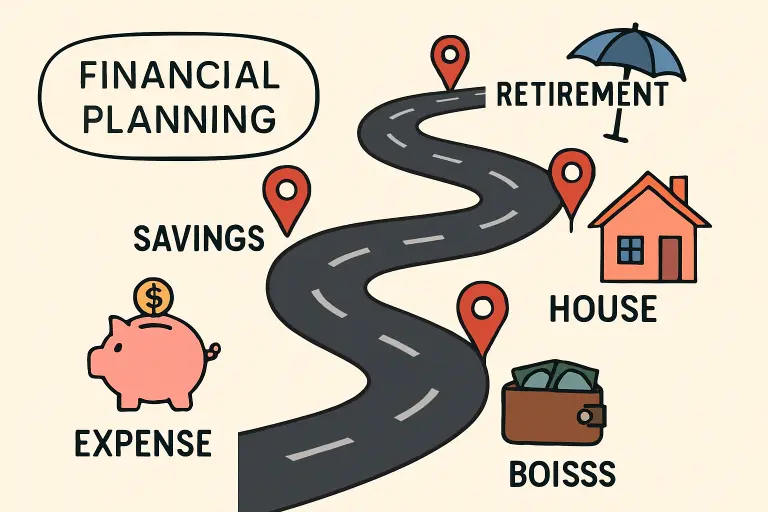
Financial planning is a journey that evolves as you grow. By committing to proactive management and education at every step, you can create a path to long-term security, adaptability, and peace of mind for yourself and your family. Regularly reviewing your goals and adjusting strategies ensures your plan stays aligned with life changes. Seeking professional guidance when needed can help you navigate complex decisions and maximize your financial potential.