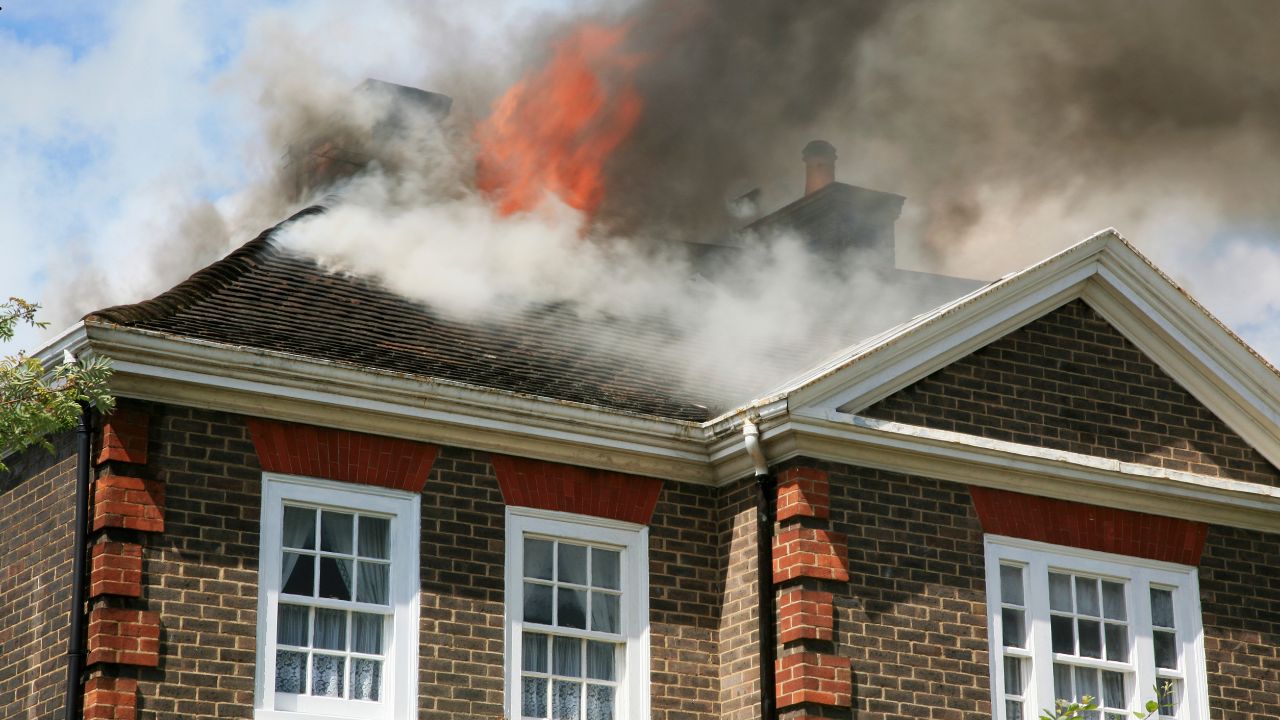
Most fire safety advice is about prevention. Check the alarms, clean the toaster, don’t leave the hob. All of it is right, and none of it helps you once a fire has already started.
This is about what happens after. Specifically, the first minute — which is the one that matters most.
Table of Contents
It moves faster than you think
A room can become unsurvivable in under three minutes. That’s not a scare statistic; it’s the practical reality that should shape how you respond. The instinct to grab things or fix the problem yourself often comes from basic fire prevention habits, but in that moment, getting out matters more. The only useful instinct is to get out.
Get low and get moving
Smoke kills more people in house fires than flames do. It rises, which means the cleaner air is closer to the floor. If there’s visible smoke in a room or corridor, get low before you move through it — not crouching, properly low.
Before you open any door, check it with the back of your hand. A hot door means fire on the other side. Leave it closed, find another route, or if there isn’t one, stay put and signal from a window.
Close doors behind you
This is one of the most underrated things you can do. A closed door significantly slows the spread of both fire and smoke, and can buy the people still inside considerably more time. It costs nothing and takes one second. Close every door as you leave.
Know your alarms and extinguisher
Wireless fire alarm systems — setups where every alarm in the house is linked — that means a fire starting in the kitchen will wake someone sleeping on the top floor. In a larger home, this isn’t a luxury, it’s the difference between enough warning and not enough. If your current setup is a single alarm in the hallway, it’s worth upgrading to proper fire alarm systems for better coverage.
If the fire is small and contained — a bin, a pan — and you have a clear exit behind you, a fire extinguisher can deal with it in seconds. But knowing which type matters. There are several types of fire extinguishers, and using the wrong one can make things worse. A CO2 fire extinguisher is the right choice for electrical fires, which are among the more common causes of kitchen and living room fires. Make sure you know what you have before you need it.
Have a plan before you need one
The middle of a fire is a bad time to figure out the layout of your own home. It sounds obvious, but most people have never thought about which windows they could exit from, which drop is manageable, or where everyone in the house would go once outside.
A meeting point matters more than it sounds. In a real emergency, the instinct to go back in and check on someone is strong — and it’s how people get killed. If everyone knows where to go, that instinct has somewhere to go that isn’t back through a burning door.
Once you’re out — stay out
Nothing in the house is worth going back for. This is easier said than done in the moment, but it’s the most important thing on this list. Things can be replaced. The fire service is trained and equipped for conditions you are not.
Call 999 from outside. Give the address first — everything else can follow.
The honest version
You probably won’t ever need any of this. Most people don’t. But a plan you’ve thought about once takes thirty seconds to make and costs nothing. The alternative is improvising in the dark, in smoke, under stress — which is about the worst set of conditions for good decision-making there is.
Think about it once. Then you don’t have to think about it again.