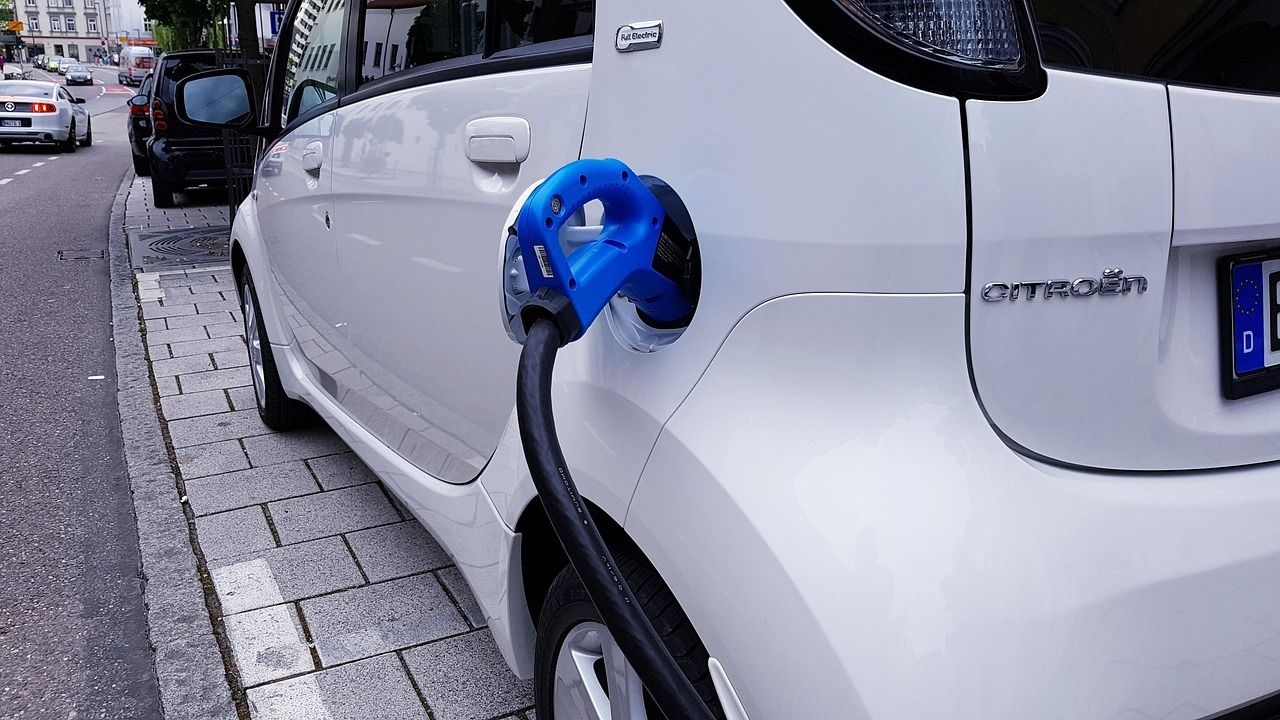
Electric vehicles are no longer a futuristic concept — they are part of everyday life. More people are switching to EVs for lower running costs, smoother driving, and environmental benefits. But one question still comes up again and again for new and potential EV owners:
Table of Contents
How long does it take to charge an electric car?
The honest answer is — it depends. Unlike fueling a petrol car, EV charging time isn’t fixed. It varies based on several factors, including charging levels, battery size, and the type of charging equipment you use.
In this guide, we’ll break everything down in a simple and practical way so you can understand what actually affects EV charging time in real driving situations.
Why EV Charging Time Is Different From Refueling
When you fill a petrol tank, the process is simple and fast. Electric cars, however, rely on battery storage, and charging speed depends on how quickly energy can flow into that battery safely.
Think of it like charging your phone. A fast charger fills it quickly, but a standard wall plug takes longer. Electric vehicles work on the same basic idea — just on a much larger scale.
Charging time depends mainly on:
- Charging levels and equipment
- Battery size and capacity
- State of charge (how empty the battery is)
- Fast charging technology
- Temperature and battery condition
Let’s explore each factor.
Charging Levels Explained
The most important factor affecting EV charging time is the type of charger you use. EV charging is generally divided into three main levels.
Level 1 Charging (Standard Home Outlet)
This is the slowest method, but also the simplest. Level 1 uses a regular household power socket.
Charging time:
- Typically adds about 5–8 km (3–5 miles) of range per hour
- Full charge may take 24–40 hours depending on battery size
This method works best for people who drive short daily distances and can leave the car plugged in overnight or longer.
Level 2 Charging (Home Wall Charger or Public Station)
Level 2 chargers use higher voltage and are commonly installed at homes, workplaces, and public parking areas.
Charging time:
- Usually 4–10 hours for a full charge
- Adds 25–50 km (15–30 miles) of range per hour
Many drivers choose Level 2 systems because a proper home charging setup makes daily charging simple and reliable, especially for overnight use. It’s fast enough for daily use and practical for overnight charging.
DC Fast Charging (Rapid Charging Stations)
This is the fastest charging method available today. DC fast charging delivers high power directly to the battery, bypassing the car’s onboard charger.
Charging time:
- 20–60 minutes to reach 80% charge
- Adds a significant range quickly
Fast charging is ideal for long trips, highway travel, or when you need a quick top-up. However, it usually slows down after reaching about 80% to protect battery health.
Battery Size Makes a Big Difference
Not all electric cars charge at the same speed because not all batteries are the same size.
A larger battery stores more energy but also takes longer to fill — just like a bigger fuel tank takes more time to fill than a smaller one.
For example:
- A small 40 kWh battery may fully charge overnight on Level 2
- A large 100 kWh battery may take much longer on the same charger
This is why two different EVs using the same charging station can have very different charging times.
Fast Charging Technology and Limits
Many modern EVs support fast charging, but each vehicle has its own maximum charging speed.
Even if you connect to a very powerful fast charger, your car may limit how much power it can accept. This depends on the vehicle’s charging system and battery design.
Also, the charging speed is not constant. It typically follows a pattern:
- Fast at the beginning
- Gradually slows as battery fills
- Much slower near full charge
This is normal and helps protect battery lifespan.
State of Charge Matters
Charging from nearly empty to full takes longer than charging from half to 80%.
Most EV owners don’t charge from zero to 100% daily. Instead, they top up when convenient — just like charging a phone.
For everyday driving, keeping the battery between 20% and 80% is common and helps maintain battery health.
Temperature and Environment
Weather plays a bigger role in EV charging time than many people expect.
Cold temperatures slow down battery chemistry, making charging less efficient. Hot temperatures may also cause the system to limit charging speed to prevent overheating.
Modern EVs have thermal management systems, but extreme weather can still affect performance and charging time.
Realistic Charging Time Examples
To give a practical idea, here are typical real-world scenarios.
Home charging overnight (Level 2)
You plug in your EV at 10 PM and unplug at 6 AM. Most vehicles will be fully charged or nearly full by morning.
Public fast charger during travel
You stop for coffee and charge for 30 minutes. That may provide enough range for several hours of driving.
Level 1 charging at home
You leave the car plugged in all weekend and return to a fully charged battery.
Charging isn’t about waiting — it’s about timing. Most EV owners charge while doing other things.
How Charging Fits Into Everyday Life
Many people worry about charging time before owning an EV, but after switching, they realize something important:
You rarely “wait” for charging.
Instead, you simply plug in and use an app to pay for EV charging within seconds. Most public stations now support mobile payments, making the process smooth and hassle-free.
- Sleeping
- Working
- Shopping
- Eating
- Relaxing at home
This changes the entire fueling experience. You don’t visit stations regularly — your car simply starts the day ready to go.
If you’re exploring cars and want to understand long-term driving costs and maintenance considerations, helpful guides like those available on peepmycar can make the transition much easier.
Battery Health and Charging Habits
Charging speed is important, but battery health is just as critical. Frequent fast charging is convenient, but shouldn’t be your only method.
Balanced charging habits help maintain long-term battery performance.
Drivers who already understand how traditional car batteries behave often find EV battery care easier to grasp. For example, knowing how battery condition affects performance, as explained in this detailed guide about whether a battery can become too discharged to function properly: https://peepmycar.com/can-a-car-battery-be-too-dead-to-jump-start/
Understanding battery fundamentals helps you manage energy systems more effectively, whether in conventional vehicles or electric ones.
So, How Long Does It Actually Take?
Here’s the simplest summary:
- Level 1 charging → 24–40 hours
- Level 2 charging → 4–10 hours
- Fast charging → 20–60 minutes (to 80%)
But remember — actual time depends on battery size, charging levels, and fast charging capability.
Final Thoughts
Electric car charging time isn’t a single number — it’s a flexible process shaped by technology, infrastructure, and lifestyle.
Once you understand charging levels, battery size, and real-world usage patterns, EV charging becomes predictable and easy to manage. Most drivers quickly realize that convenience matters more than raw speed.
Instead of asking how long charging takes, experienced EV owners ask something different:
“Will my car be ready when I need it?”
And in most cases, the answer is yes.
That’s the real shift electric mobility brings — not just cleaner transportation, but a smarter, more convenient way to power everyday driving.