
Key Takeaways
- Regular network audits help identify security vulnerabilities, misconfigurations, and unauthorized devices before they pose risks.
- Audits optimize network performance by revealing bottlenecks, underutilized resources, and patterns in asset usage.
- Compliance with industry standards (PCI DSS, HIPAA, SOX) is strengthened through accurate, documented inventory records.
- Automation, real-time visibility, and risk-based auditing improve accuracy, efficiency, and resource allocation.
- Leveraging analytics and machine learning enhances audit effectiveness, reduces manual work, and supports proactive network management.
Introduction
Organizations today face complex network environments that demand thorough documentation and control of all connected assets. Having an accurate network inventory ensures that business processes remain uninterrupted, vulnerabilities are addressed, and costly compliance mistakes are avoided. Leveraging third-party resources such as Lightyear can significantly simplify network inventory management, helping organizations maintain transparency as their networks evolve.
Network audit practices have evolved in parallel with advances in automation and machine learning, enabling routine verification of inventory records and the detection of hidden issues in real time. Conducting regular audits gives IT teams a decisive edge, reducing manual checking and enabling proactive risk mitigation. In this article, we explore how regular audits improve network inventory accuracy, the tangible benefits they deliver, and how technology is shaping modern audit strategies.
Benefits of Regular Network Audits
- Identification and Mitigation of Security Vulnerabilities: Security threats are a constant concern as new vulnerabilities are discovered in hardware and software. Audits enable organizations to catch outdated firmware, misconfigurations, unpatched systems, and unauthorized devices before they can be exploited. By identifying these weaknesses early, network teams can take corrective actions that reinforce security and minimize exposure to attacks.
- Optimization of Network Performance: Regular audits reveal patterns in network activity and bandwidth use, helping teams identify and address performance bottlenecks and underutilized resources. This insight makes it easier to optimize data flows, reduce latency, and boost the reliability of business-critical applications.
- Ensuring Compliance with Industry Standards: Regulations such as PCI DSS, HIPAA, and SOX require companies to keep reliable inventory records and enforce strong security policies. Audit processes verify that all devices and software are compliant, reducing risks and ensuring the organization meets its legal and regulatory obligations. Proper inventory documentation is also an essential element for successful third-party assessments, certifications, and smart contract audits.
As companies expand their technology footprints, keeping an accurate inventory of all network assets becomes both more challenging and more vital to the business’s ongoing security and efficiency goals. Businesses that prioritize audit-driven accuracy are better equipped to adapt to new demands and minimize unplanned downtime.
In addition to safeguarding against immediate threats, regular network audits support long-term digital transformation strategies. Proactive asset verification increases network resilience, streamlines asset lifecycle management, and helps technical leaders allocate their resources where they will create the most value.
Implementing Effective Audit Strategies
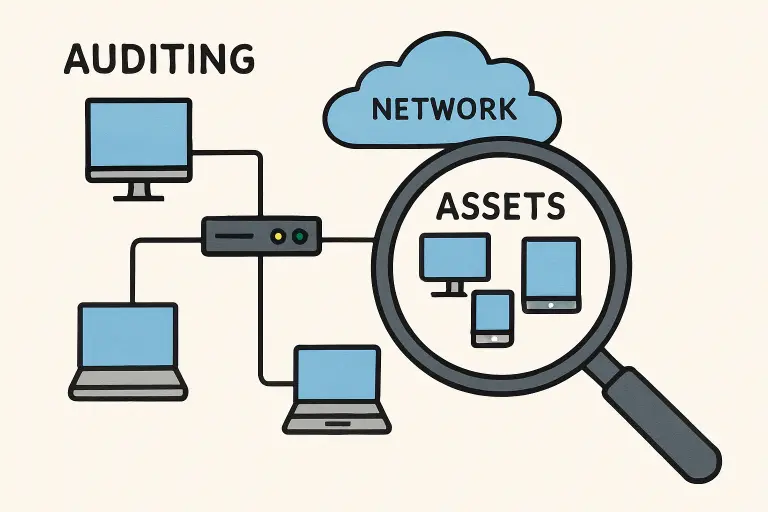
Successful network audits begin with strategic planning. Organizations aiming to maximize accuracy and efficiency in their inventory management should take the following steps:
- Adopt Automation Tools: Leveraging audit management software allows organizations to scan and catalog network assets in a fraction of the time it would take a manual process. They eliminate repetitive tasks, minimize the risk of human errors, and allow IT staff to focus on higher-value security activities. Automated tools also integrate with existing network management systems to ensure that inventories remain up to date as the network changes.
- Focus on Real-Time Inventory Visibility: Gaining real-time insights into network-connected assets and incidents helps IT managers respond to newly detected assets or incidents without delay. Technologies that provide up-to-the-minute asset data give organizations the situational awareness necessary to keep pace with evolving threats and business needs.
- Perform Risk-Based Auditing: Not all network segments or devices are equally critical. By mapping audit frequencies and intensities to asset importance and business risk, organizations can ensure their resources are used efficiently. High-value targets like core switches, servers, or systems that store sensitive data should be audited more frequently than non-critical infrastructure components.
Leveraging Technology in Network Audits
Modern inventory audits are increasingly driven by technological innovation. Machine learning applications can now spot duplicate asset checks, automate the identification of asset configuration drift, and highlight outlier behavior, helping auditors focus their time on areas of greatest risk. Automation software further expedites the process, reducing manual touchpoints and instantly reporting discrepancies for review.
Real-time dashboards, advanced analytics, and integration with vulnerability management systems ensure that asset discovery and risk assessment become part of ongoing network operations rather than isolated, labor-intensive events. By incorporating such tools, organizations can create a dynamic, self-adjusting inventory process that ensures data remains accurate even as devices are added, upgraded, or removed.
This combination of automation, analytics, and machine learning is helping IT teams overcome historical stumbling blocks that have plagued inventory projects, such as data silos and inconsistent recordkeeping. As a result, businesses benefit from improved accuracy, faster incident response, and lower audit costs.
Final Thoughts
Maintaining reliable network inventory records requires more than static lists and occasional checks. It calls for a proactive, technology-driven approach that recognizes the ongoing changes within a modern network environment. By committing to regular audits, adopting effective strategies, and leveraging the right technological tools, organizations achieve not only better inventory accuracy but also greater network security, compliance, and operational agility. Regular audits are the foundation for meeting future demands in today’s connected world.