

Key Takeaways
- Experiential marketing continues to evolve, integrating technologies like AI, AR, and VR to elevate engagement.
- Personalization and emotional connections drive the effectiveness of modern experiential campaigns.
- Brands are expertly merging digital and physical experiences to match consumer demands in today’s landscape.
As digital interactions become the norm, brands are shifting their focus toward experiential marketing to form lasting bonds with consumers. This innovative strategy is no longer limited to in-person engagements; it now involves merging physical and virtual experiences to create deeper, more memorable connections. By leveraging immersive storytelling and digital tools, businesses make lasting impressions on audiences who crave both convenience and genuine engagement. Leaders in the space, such as Front Row, have demonstrated how integrating technology, creativity, and data can redefine how brands interact with their target markets.
Experiential marketing isn’t just about flashy activations. Amidst a world where consumer trust is earned through authentic interaction, brands must deliver highly personalized, emotionally charged campaigns. With digital touchpoints spanning smartphones to AR headsets, brands must blend physical and digital journeys, ensuring every experience resonates with their audience. These immersive campaigns establish trust and affinity in ways traditional ads cannot.
Embracing Technological Innovations
Technology plays a crucial role in the future of experiential marketing. Artificial Intelligence (AI) enables real-time adaptability by harnessing data to personalize experiences on the fly. For example, chatbots attend virtual events alongside customers, adjusting content based on behavioral cues and emotional reactions. Web-based AR and Virtual Reality (VR) are redefining how consumers engage, allowing users to interact with products in immersive three-dimensional environments without app downloads. Major retailers like IKEA have used AR apps to let shoppers virtually preview furniture in their own spaces, a brilliant example of bridging in-store and online experiences.
These technological integrations not only enhance consumer experience but also provide brands with real-time insights into consumer preferences. By harnessing the power of AI and immersive technologies, brands can continuously refine their strategies to deliver memorable, highly relevant engagements.
Personalization and Emotional Connection
In today’s landscape, consumers seek experiences tailored to their individual preferences. AI-driven marketing delves into behavioral data, allowing brands to craft customized journeys, from handpicked product recommendations to intuitive event invitations. Studies show that 80% of consumers are more likely to purchase from brands that offer personalized experiences, highlighting the importance of going beyond broad demographic segments.
Emotional resonance lies at the heart of experiential marketing’s effectiveness. By fostering authentic connections through strategies like corporate gifting, brands cultivate loyalty, advocacy, and long-term value. Real-time feedback mechanisms, such as interactive polls or live sentiment analysis at events, make audiences feel seen and heard, further strengthening these bonds.
Blending Physical and Digital Experiences
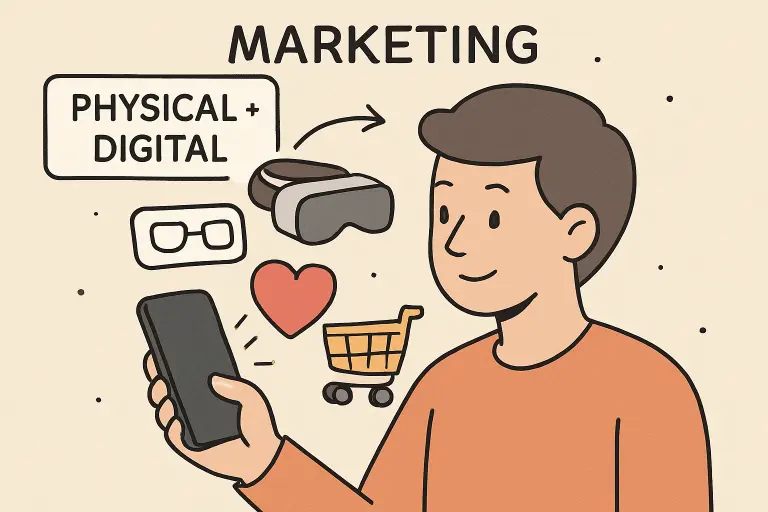
The boundaries between physical and digital experiences are vanishing as hybrid events become the new standard. Leading brands orchestrate events where virtual attendees participate alongside in-person guests, blending physical environments with digital conveniences. For instance, technology brands frequently launch immersive pop-up stores that combine hands-on product demos with interactive digital storytelling.
This blend not only extends reach but also amplifies engagement across channels. Livestreamed workshops, online games, and social media integrations transform singular events into shared global experiences, multiplying their impact and generating viral brand moments.
Vibe Marketing: A New Approach
Enter “Vibe Marketing,” an emerging ethos that centers on emotional resonance and creative intuition rather than rigid demographic filters. Rather than focusing only on who the customer is, Vibe Marketing asks: What are they feeling, and how can that emotion inspire interaction? Powered by AI-generated insights, brands can prototype and refine mood-driven concepts quickly, delivering marketing that’s in step with the moment. This approach encourages marketers to take creative risks, trusting data to identify what truly captures the audience’s attention.
Measuring Success in Experiential Marketing
As experiential strategies grow in complexity, so does the need for robust measurement. Brands now rely on advanced analytics platforms to track everything from dwell time and foot traffic at physical installations to digital engagement across remote participants. Metrics like social media impressions, sentiment analysis, and conversion rates help quantify the real impact of each campaign. This shift toward data-driven decision-making ensures that resources are allocated efficiently, investments show concrete returns, and campaigns are continually optimized for better results.
The Future Outlook
Looking ahead, the future of experiential marketing is brimming with potential. The convergence of AI, AR, and VR will usher in unprecedented levels of personalization and immersion, delivering campaigns that engage the senses, evoke strong emotions, and foster lasting relationships. Meanwhile, the rising importance of sustainability and ethical branding will drive marketers to develop experiences aligned with shared values and responsible practices. Brands that lead on these fronts will be best positioned to win consumer loyalty in a crowded digital-first world.
Ultimately, experiential marketing is poised to be the bridge between brands and digitally-savvy audiences, uniting the creativity of the physical world with the speed and flexibility of digital technology. By investing in authentic, meaningful experiences, brands can rise above the noise and cultivate communities devoted not just to their products, but to their overall vision and message.