
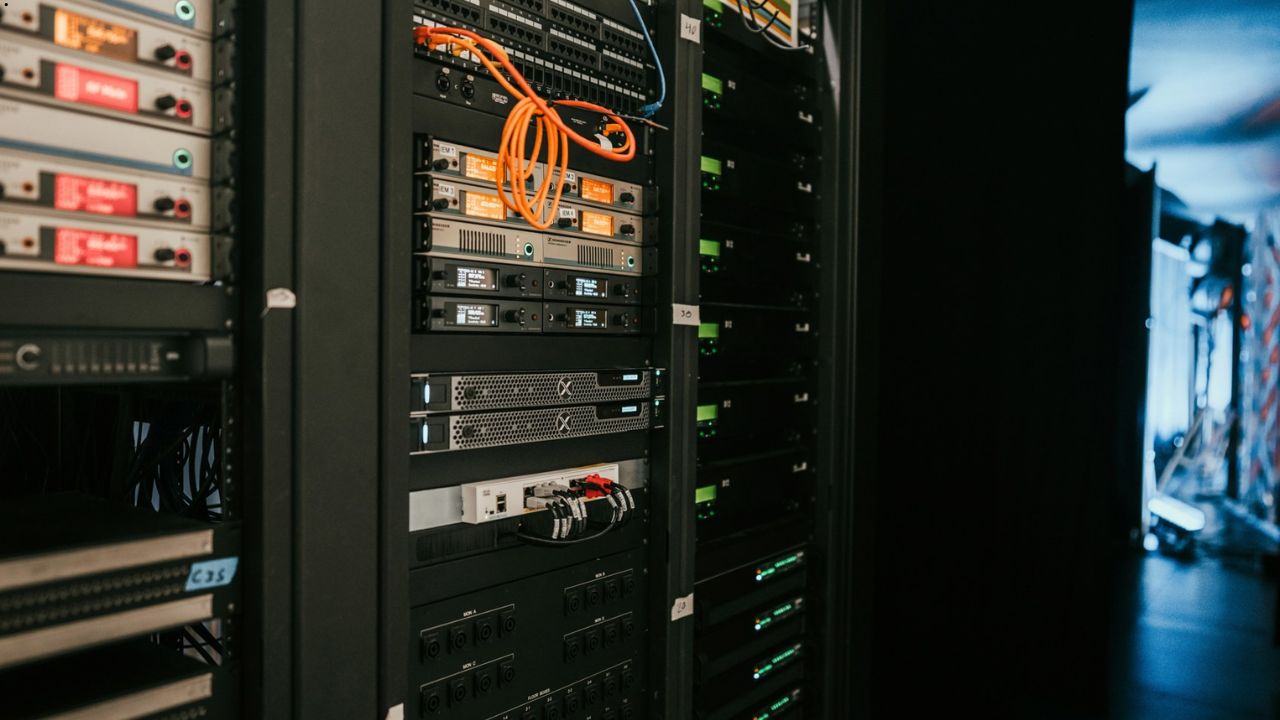
There is nothing worse than placing a massive bet right before kickoff only to watch the app completely freeze and crash. This breakdown strips away the buzzwords to examine the raw server architecture and microservices actually keeping the biggest digital sportsbooks online when millions of users log in at once.
Nobody cares about the backend code until the screen locks up. You are staring at a spinning wheel while the opening whistle blows, and your money is stuck in digital purgatory. That kind of system failure used to happen constantly during major finals. Today, the tolerance for a crashed platform is absolute zero. The modern bettor demands instantaneous load times, fluid live odds and a checkout cart that processes wagers faster than a referee can pull out a yellow card. Building an infrastructure capable of handling that kind of traffic spike requires some incredibly heavy engineering. It is a completely different ballgame from running a standard blog or an e-commerce storefront. The sheer volume of simultaneous requests hitting the servers during a major final is staggering.
The Monolithic Dinosaur vs. Modern Microservices
A decade ago, most betting platforms ran on monolithic codebases. Imagine a massive, tangled ball of wire where every single function (user logins, payment gateways, live odds updates and customer support) was tied into one giant program. If one wire snapped, the whole house lost power. If the payment gateway got overwhelmed, the login screen went down with it. That model is officially dead. A premium operator like betway had to completely tear down its core legacy software and rebuild from scratch.
Enter the era of microservices. Instead of one massive application, modern operators break their platform into hundreds of tiny, independent programs. The login server operates completely independently from the live-betting engine. When a massive rush of users logs into the betway app right before a major derby, the login microservice handles the crush of traffic without dragging down the actual odds engine. If the payment processing sector experiences an overload, it does not stop users from browsing the active games. This containerized approach means localized failures stay localized. The software keeps running, and the action keeps flowing.
Cloud Computing and Elastic Scalability
Traffic is never flat in the sports world. You might have ten thousand users on a random Tuesday morning, and then suddenly five million people smash the servers during a Saturday penalty shootout. Buying enough physical servers to handle that maximum load is a ridiculous waste of money, as the vast majority of them would sit idle most of the week. The solution entirely relies on advanced 2026 cloud architecture data trends.
The software is designed to be elastic. It monitors traffic flow in real-time and automatically spins up new virtual servers the second it detects a spike. When the final whistle blows and traffic drops, it kills those temporary servers to save resources. This elastic scalability means the platform can absorb a massive hit without breaking a sweat. It is a brilliant bit of engineering that most users completely ignore. Anyone looking to study server capacities should check out a recent guide on link testing to understand website traffic limits.
Data Ingestion at Lightning Speed
Keeping a sportsbook updated during a live match requires an insane amount of data ingestion. The platform is not just updating a single score. No, it is simultaneously recalculating thousands of different odds based on every single event happening on the pitch. A corner kick changes the math. A red card completely flips the board. Every single micro-event must be processed and pushed to the user interface in a fraction of a second.
To pull this off, the backend relies on aggressive caching and localized edge computing. Instead of sending every single request all the way back to a central server in another country, data is stored on localized servers closer to the user. When the odds update, the local server pushes the new numbers instantly. This aggressive reduction in physical distance cuts latency down to near zero. You are getting the numbers at the exact same speed as the analysts sitting in the stadium.
The Financial Vault and Transaction Volume
Handling the raw traffic is only half the battle. The other half is moving actual money without triggering a security breach or causing a transaction delay. Processing thousands of financial deposits per second requires an entirely different layer of infrastructure. A betway user expects their funds to reflect immediately, meaning traditional banking interfaces that are notoriously slow and prone to timing out during high volume simply will not work.
Modern apps bypass the clunky legacy systems by utilizing dedicated, high-speed payment microservices. These are built strictly for volume and speed. They run localized fraud checks and verify funds without needing to constantly ping a central monolithic database. The engineering behind this is wildly complex, but the execution on the front end looks completely effortless. Platforms simply cannot afford to have a user abandon their cart because a deposit took five seconds too long to clear. The architecture has to support a high-volume financial environment without dropping a single packet of data.