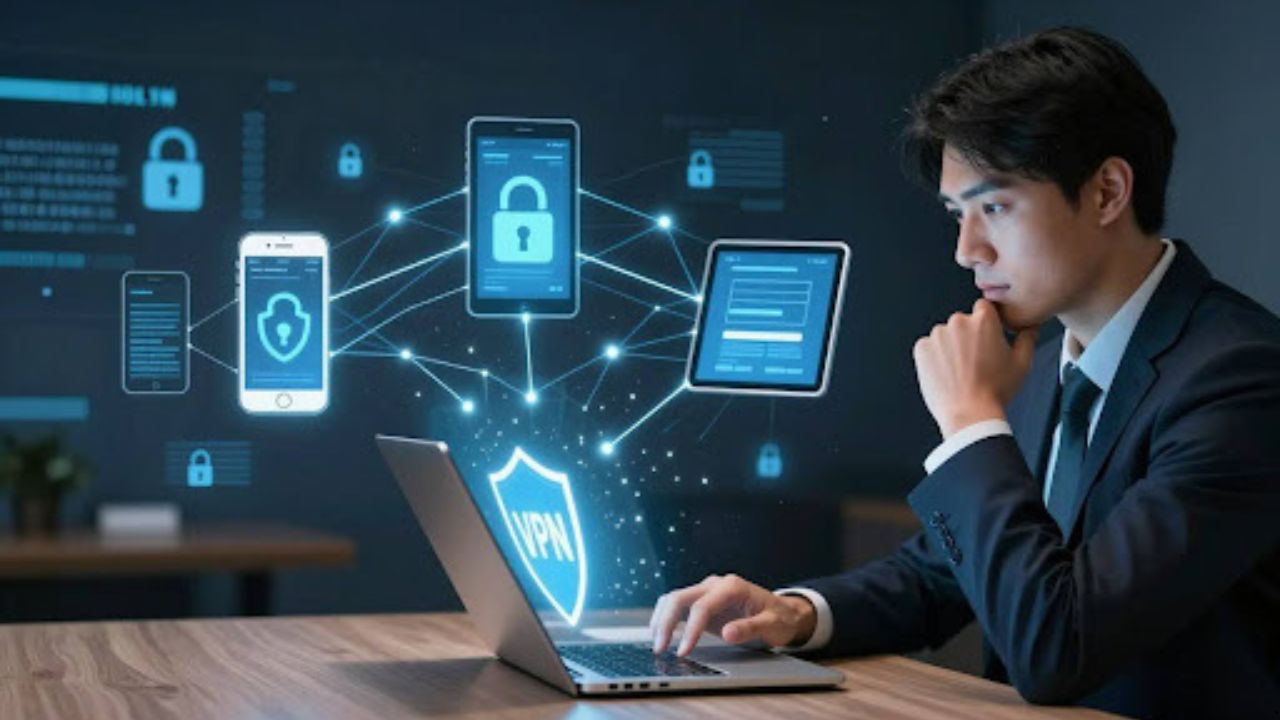
In today’s digital landscape, protecting online privacy is crucial. With the rise of cyber threats, using a Virtual Private Network (VPN) has become a vital step in safeguarding personal data.
A VPN offers numerous VPN benefits, including masking your IP address and encrypting your internet traffic. This enables you to browse the internet anonymously, shielding your online activities from prying eyes.
By utilizing a VPN, individuals can significantly boost their online security. This is particularly important in today’s connected world, where data protection is paramount.
Table of Contents
Key Takeaways
- VPNs mask your IP address, enhancing online anonymity.
- They encrypt internet traffic, protecting your data.
- Using a https://freevpnplanet.com/download/ is crucial for safeguarding online privacy.
- VPNs help you browse the internet securely.
- They are a vital tool in protecting against cyber threats.
The Growing Threats to Online Privacy in 2023
As we navigate the digital landscape in 2023, it’s becoming increasingly clear that online privacy is under siege. The rise in data breaches, vulnerabilities in public Wi-Fi networks, and concerning ISP data collection practices have made it imperative for individuals to take proactive measures to safeguard their online security.
One of the most significant threats to online privacy comes in the form of data breaches. Major companies have fallen victim to cyberattacks, compromising millions of users’ personal data. For instance, recent breaches have exposed sensitive information, leaving individuals vulnerable to identity theft and financial fraud. Using a VPN can significantly enhance your security by encrypting your internet traffic, making it difficult for hackers to intercept your data.
Recent Data Breaches and Their Impact on Americans
The impact of data breaches on Americans has been profound. With personal data being sold on the dark web, individuals are at a heightened risk of falling prey to cybercriminal activities. According to recent statistics, the number of data breaches has increased significantly over the past few years, affecting millions of Americans.
| Year | Number of Data Breaches | Records Exposed |
| 2021 | 1,862 | 293,927,708 |
| 2022 | 1,801 | 204,555,736 |
| 2023 | 2,100 | 320,000,000 |
As the table illustrates, the trend is alarming, with a significant increase in both the number of breaches and the records exposed. Protecting data with a VPN has become an essential step in mitigating these risks.
Public Wi-Fi Vulnerabilities
Public Wi-Fi networks, once a convenient way to stay connected on the go, are now riddled with vulnerabilities that hackers exploit to intercept sensitive information. When using public Wi-Fi, it’s easy for malicious actors to eavesdrop on your internet activity, potentially leading to data theft.
“Public Wi-Fi is a playground for hackers. They can easily intercept your data unless you’re using a VPN to encrypt your internet traffic.”
By using a VPN, you can create a secure tunnel for your data, protecting it from prying eyes.
ISP Data Collection Practices
ISPs have been under scrutiny for their data collection practices, often selling user data to third-party advertisers. This not only infringes on user privacy but also raises concerns about how this data is used and protected.
To combat this, many are turning to VPNs as a means of enhancing their online security and privacy. By masking your IP address and encrypting your internet traffic, a VPN provides a robust layer of protection against ISP data collection and other privacy threats.
How to Enhance Your Online Privacy and Security with VPNs: A Beginner’s Guide
As we navigate the complexities of the online world, a VPN emerges as a vital tool for safeguarding our digital footprint. For those new to VPNs, understanding what they are and how they work is the first step towards enhancing online privacy.
What is a VPN and How Does It Work?
A VPN, or Virtual Private Network, creates a secure, encrypted tunnel for your internet traffic, protecting your data from prying eyes. To learn more about how a VPN safeguards your privacy, check out how a VPN safeguards your privacy. When you connect to a VPN, your internet traffic is routed through a VPN server, masking your IP address and making it difficult for third parties to track your online activities.
Key benefits of using a VPN include:
- Encryption of internet traffic
- Masking of IP address
- Protection against data breaches
Key Security Features to Look for in a VPN Service
When choosing a VPN service, look for key security features such as:
- Strong encryption protocols (e.g., AES-256)
- A no-logs policy
- A kill switch to prevent data exposure in case of a VPN connection drop
As noted by security experts, “A VPN with a robust no-logs policy and strong encryption is essential for maintaining online privacy.” To explore more unexpected ways a VPN protects you online, see 4 unexpected ways a VPN protects you online. The importance of these features cannot be overstated.
Setting Up Your First VPN Connection
Setting up a VPN is relatively straightforward, with most services offering user-friendly apps for various devices. To set up your VPN:
- Choose a reputable VPN service
- Download and install the VPN app
- Launch the app and create an account or log in
- Select a server location and connect
Common VPN Myths Debunked
There are several myths surrounding VPNs that can deter people from using them. Let’s debunk a few:
“VPNs significantly slow down your internet speed.” While it’s true that VPNs can sometimes reduce internet speed due to the encryption process, many modern VPN services have optimized their servers to minimize this impact.
In conclusion, using a VPN is a simple yet effective way to enhance your online privacy and security. By understanding what a VPN is, choosing a service with key security features, setting it up correctly, and being aware of common myths, you can enjoy a safer internet experience.
Latest Developments in the VPN Landscape
Recent developments in the VPN sector are transforming how we approach online privacy. The shift towards remote work has been a significant catalyst for change, driving both individuals and organizations to seek out more secure online solutions.
Surge in VPN Usage During Remote Work Era
The COVID-19 pandemic has accelerated the adoption of remote work, leading to a substantial increase in VPN usage. As employees access company networks from home or public Wi-Fi hotspots, the need for secure, encrypted connections has become paramount. VPNs have become an essential tool for maintaining online security in this new work environment.
According to recent statistics, VPN usage has surged by over 50% in some regions since the start of the pandemic. This trend is expected to continue as remote work becomes a permanent fixture for many organizations.
Recent Legislative Changes Affecting Online Privacy
Governments around the world are implementing new legislation aimed at protecting online privacy. For instance, the California Consumer Privacy Act (CCPA) has set a precedent for other states in the U.S. to follow. While these laws vary in their specifics, they all aim to give consumers more control over their personal data.
However, the effectiveness of these laws remains to be seen. Some critics argue that they do not go far enough in protecting consumer privacy, while others point out potential conflicts between state and federal regulations.
How Major Tech Companies Are Responding to Privacy Concerns
Major tech companies are also taking steps to address growing privacy concerns. Some are incorporating VPN services into their product offerings, recognizing the VPN advantages in enhancing online security. For example, some antivirus software providers now include VPN services as part of their packages.
- Major tech companies are enhancing their privacy features.
- Some are offering built-in VPN services.
- Others are improving data protection policies.
As online security continues to be a top priority, we can expect to see further innovations in the VPN landscape.
Conclusion
As we’ve explored, enhancing online privacy is crucial in today’s digital landscape. By utilizing a VPN, you can significantly bolster your online security. Key takeaways from our guide include understanding the threats to online privacy, selecting the right VPN service, and staying informed about the latest developments in the VPN landscape.
To effectively enhance your online privacy, consider implementing VPN security tips such as choosing a VPN with robust encryption, regularly updating your VPN software, and being cautious when using public Wi-Fi networks. By following these guidelines, you can protect your personal data and maintain a secure online presence.
As the digital world continues to evolve, staying proactive about online privacy is essential. With the right tools and knowledge, you can safeguard your online activities and enjoy a more secure internet experience.
FAQ
What is a VPN and how does it enhance online privacy?
A VPN, or Virtual Private Network, creates a secure, encrypted tunnel for your internet traffic, protecting your data from prying eyes and masking your IP address to enhance online privacy.
How do I choose the right VPN service for my needs?
When choosing a VPN service, look for key security features such as strong encryption protocols, a no-logs policy, and a kill switch to ensure your data remains secure.
Will using a VPN slow down my internet speed?
While some VPNs may slow down your internet speed due to the encryption process, many modern VPN services are optimized to minimize speed reductions, and some even offer fast, dedicated servers for streaming and gaming.
Can I use a VPN on public Wi-Fi networks?
Yes, using a VPN on public Wi-Fi networks is highly recommended as it encrypts your data, protecting it from hackers who may be intercepting sensitive information on these vulnerable networks.
Are VPNs legal to use?
In most countries, VPNs are legal to use, but it’s essential to check your local laws and regulations regarding VPN usage, as some countries have restrictions or bans on VPN use.
How do I set up my first VPN connection?
Setting up a VPN is relatively straightforward; most VPN services offer user-friendly apps for various devices that guide you through the setup process, making it easy to get started.
Can VPNs protect me from data breaches?
While VPNs can’t directly prevent data breaches, they can protect your data from being intercepted or accessed by unauthorized parties, adding an extra layer of security when using public Wi-Fi or accessing sensitive information online.
What are some common VPN myths?
Common VPN myths include the belief that VPNs significantly slow down your internet speed or that they are only necessary for highly sensitive online activities; in reality, many VPNs offer fast speeds, and their benefits extend to everyday browsing and online security.