Renovating or vacating a commercial space is rarely as simple as it sounds. Whether you’re upgrading an office, preparing a retail store for a new tenant, or restoring a warehouse at the end of a lease, strip-out and demolition work often forms the first—and most critical—stage of the process.
Done correctly, it sets the foundation for a smooth renovation or handover. Done poorly, it can delay projects, create safety risks, and lead to unexpected costs.
That’s why choosing the right professionals matters. Let’s explore what to look for when selecting licensed strip-out and demolition services for commercial spaces.
Table of Contents
Understanding What Strip-Out and Demolition Involve
In commercial settings, “strip-out” typically refers to removing non-structural elements of a building. This might include:
- Internal partitions
- Suspended ceilings
- Floor coverings
- Joinery and cabinetry
- Electrical and data cabling
- Air conditioning units
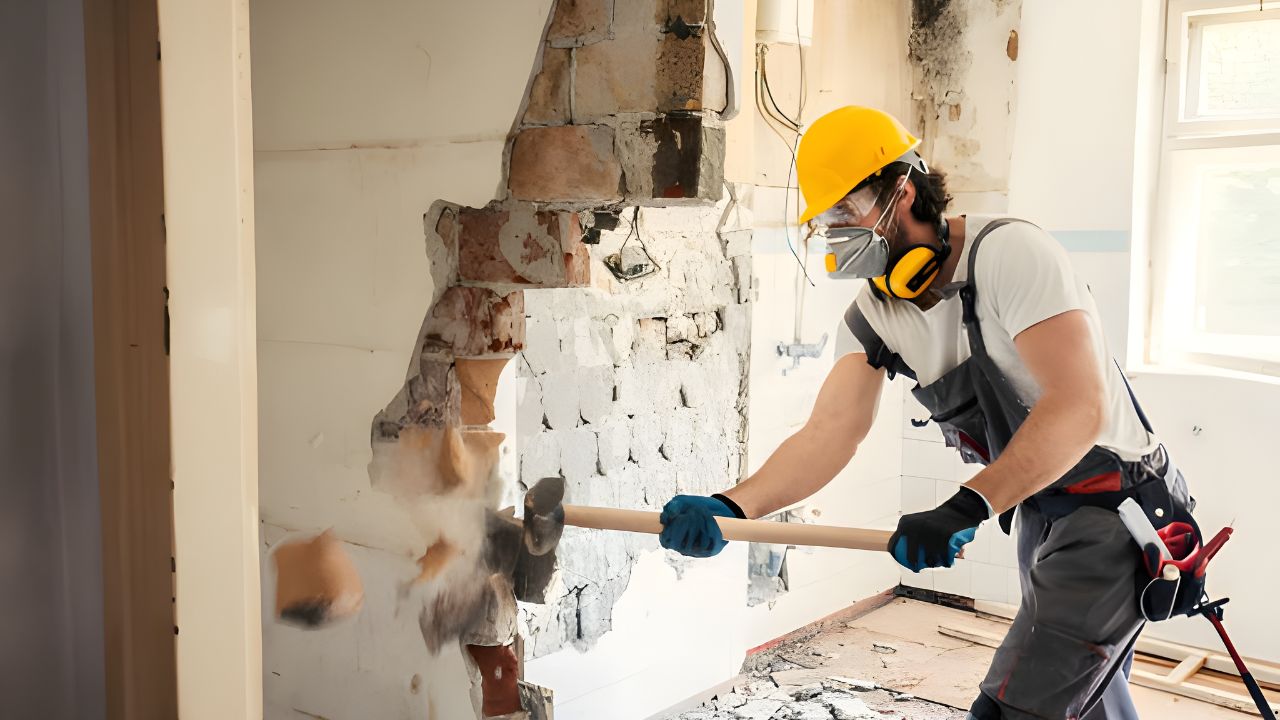
Demolition, on the other hand, may involve removing structural components under controlled conditions.
In both cases, safety, planning, and compliance are key. Commercial properties often operate within shared buildings, which means neighboring tenants, building managers, and strict access rules to consider.
The broader concept of demolition underscores the importance of careful planning and safety procedures when dismantling any structure. In commercial environments, those requirements become even more detailed due to public access, fire safety systems, and shared infrastructure.
Why Licensing and Compliance Matter
One of the most important factors in choosing a contractor is licensing.
Licensed contractors operate under regulatory standards that ensure safety, proper waste disposal, and adherence to building codes. They carry appropriate insurance and understand local compliance requirements.
Without licensed professionals, businesses risk:
- Fines for non-compliance
- Damage to shared property areas
- Unsafe removal of electrical or plumbing systems
- Delays caused by failed inspections
For example, removing office partitions may seem straightforward. However, if electrical wiring runs through those walls, improper disconnection can pose fire hazards or disrupt other tenants.
Before any walls come down, electrical systems need proper handling. Hiring a certified commercial electrical contractor ensures wiring, switchboards, and data lines are disconnected safely and in line with regulations, reducing the risk of fire hazards or service disruptions.
Experience in Commercial Environments
Commercial strip-outs differ significantly from residential projects.
Office buildings, shopping centres, and industrial spaces operate on tight schedules. Noise restrictions, lift bookings, loading dock access, and waste removal logistics all require coordination.
Imagine a retail store in a busy shopping centre. Work may need to be completed overnight to avoid disrupting foot traffic. Contractors must follow centre management guidelines and restore common areas after each shift.
Experienced commercial specialists understand these nuances. They know how to:
- Coordinate with building managers
- Plan staged removals
- Minimize disruption
- Meet strict deadlines
This level of experience helps avoid unnecessary downtime.
Clear Scope and Transparent Quoting
Another critical step is ensuring the contractor provides a detailed scope of work.
A clear quote should outline:
- What will be removed?
- What will remain untouched?
- Waste disposal methods
- Timeline expectations
- Safety procedures
Transparency prevents misunderstandings later.
In many industries—construction, IT upgrades, manufacturing—clear project scoping avoids scope creep and surprise expenses. Strip-out and demolition projects are no different.
When expectations are aligned from the start, the entire process runs more smoothly.
Environmental Responsibility and Waste Management
Modern commercial projects increasingly prioritize sustainability.
Strip-out work often generates significant waste, including metal framing, timber, plasterboard, glass, and fixtures. Responsible contractors sort and recycle materials wherever possible rather than sending everything to landfill.
Environmental considerations aren’t just about public image. Many commercial leases and local councils require proper waste documentation and disposal procedures.
Choosing contractors who prioritize responsible waste management supports both compliance and sustainability goals.
Safety Protocols Protect Everyone
Safety is one of the most critical factors in any demolition or strip-out project.
Commercial sites may involve:
- Working at heights
- Handling heavy materials
- Disconnecting utilities
- Managing dust and debris
Reputable contractors implement safety management plans and use protective equipment to safeguard workers and surrounding occupants.
For businesses operating within shared spaces, this is especially important. A poorly managed project could disrupt neighboring tenants or even result in liability claims.
Working with experienced professionals significantly reduces these risks.
Coordinating Strip-Outs With Office Defits
In many cases, commercial strip-outs overlap with lease-end restoration requirements. If you’re vacating an office, you may need to return the space to its original condition.
This is where integrated expertise becomes valuable.
If your project involves restoring an office to base-building condition, reviewing options for licensed strip-out and demolition services that also understand commercial defects can help streamline the entire process.
Having one coordinated team handle both removal and restoration ensures consistency and efficiency.
Real-World Example: Avoiding Costly Delays
Consider a corporate tenant relocating to a new headquarters.
They scheduled a strip-out of their existing office just two weeks before the lease ends. Initially, they hire a low-cost contractor without verifying licensing or insurance.
Midway through the project, building management halts the work due to missing compliance documentation. Delays extend the lease, increasing rent costs. Additional fees are incurred to correct improper removals.
In contrast, a licensed and experienced contractor would have:
- Provided the required compliance documents upfront
- Coordinated with building management
- Ensured safe and staged removals
- Completed work within the deadline
This example illustrates how the right choice upfront prevents stress and financial setbacks later.
Questions to Ask Before Hiring
To make an informed decision, consider asking:
- Are you fully licensed and insured?
- Have you completed similar commercial projects?
- Can you provide references?
- How do you manage waste and recycling?
- What is your estimated timeline?
Clear answers build confidence and set expectations.
Final Thoughts
Choosing the right licensed strip-out and demolition services for commercial spaces isn’t just about price—it’s about professionalism, compliance, and project efficiency.
The right team ensures:
- Safe removal of structures and fixtures
- Adherence to regulatory standards
- Minimal disruption to surrounding tenants
- Proper waste disposal
- On-time project completion
Commercial renovations and relocations already involve enough moving parts. Working with experienced, licensed professionals ensures that your strip-out or demolition phase lays a solid foundation for whatever comes next.
In business, preparation and expertise often determine success—and that’s especially true when transforming or restoring commercial spaces.