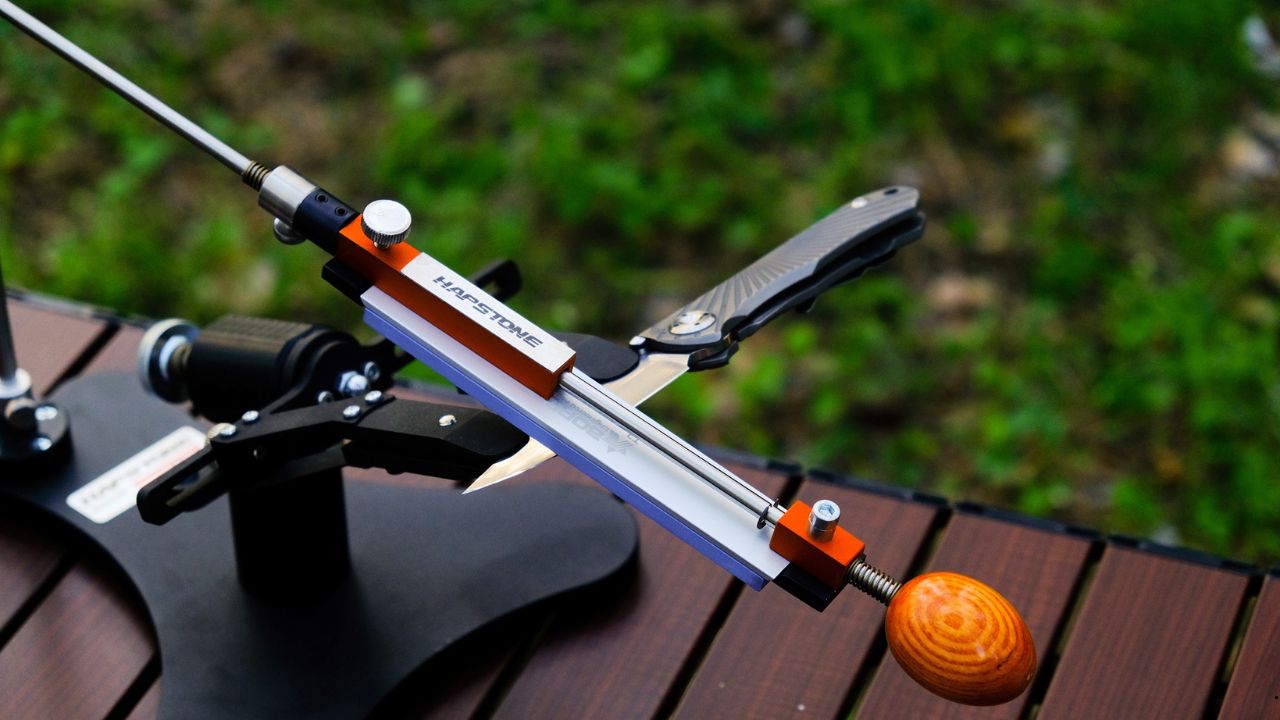
Sharp tools make all the difference. Whether you’re preparing dinner or working on a craft project, dull blades slow you down. They also create safety risks that most people don’t think about. That’s why investing in proper knife sharpeners should be a priority for anyone who values their tools.
Most people grab whatever sharpening tool they find at the store. They don’t realize that not all sharpeners work the same way. Cheap options might seem convenient at first. However, they often damage blades over time. They create uneven edges that dull quickly. Before long, your expensive knives need professional repair or replacement.
Quality sharpening systems work differently. They give you control over the sharpening process. You can maintain precise angles every single time. This consistency creates edges that cut beautifully and last much longer. When you use professional-grade knife sharpeners, you’re protecting your investment in quality tools.
Table of Contents
The Real Cost of Dull Blades
Dull knives cause more problems than most people realize. In the kitchen, they crush tomatoes instead of slicing them cleanly. They tear fresh herbs and bruise delicate ingredients. Your food doesn’t look as good on the plate. It also doesn’t taste quite right because the texture is off.
But appearance isn’t the biggest issue. Safety matters more. A dull blade won’t bite into what you’re cutting. So you push harder to get through it. That extra force means less control. When the knife finally cuts through, it can slip easily. That’s when accidents happen.
Sharp knives actually reduce injury risk significantly. They need less pressure to cut. You maintain better control throughout each motion. The blade goes exactly where you want it to go. Professional chefs who invest in professional kitchenware understand this well. That’s why they keep their knife sharpeners nearby and use them constantly.
For craftsmen and tool enthusiasts, dull blades create similar frustrations. Woodworking becomes harder when chisels won’t hold an edge. Leather work suffers with dull cutting tools. Even simple tasks take twice as long with tools that aren’t properly maintained.
What Separates Professional Systems from Basic Tools
Not all sharpening methods deliver the same results. Basic pull-through sharpeners seem easy to use. Just drag your knife through the slot a few times. Unfortunately, these tools often do more harm than good. They remove too much metal. They can’t maintain consistent angles. Your edges end up worse than before.
Professional knife sharpeners take a different approach entirely. They use precision guides to hold your blade at exactly the right angle. This consistency is crucial for creating quality edges. Even beginners can achieve professional results when the system maintains the angle for them.
Premium systems also use replaceable sharpening stones with different grits. Coarse stones remove material quickly when you need to repair damage. Medium stones refine the edge shape. Fine stones polish the blade to razor sharpness. This step-by-step progression creates superior edges that perform better and last longer.
The materials matter too. Systems built with quality metal components last for decades. They don’t flex or shift during use. That stability ensures accurate results every time. Cheaper plastic systems can’t match this performance. They wear out quickly and never deliver truly professional edges.
How Modern Sharpening Systems Work
Understanding how professional knife sharpeners work helps you appreciate their value. Most advanced systems use a clamping mechanism to hold your knife securely. This clamp positions the blade at a specific height. Then you adjust guide rods to set your sharpening angle precisely.
Once everything is set up, you attach a sharpening stone to the guide rod. You move the stone across the blade in smooth, controlled strokes. The guide rod ensures every stroke hits the exact same angle. You don’t need to guess or rely on muscle memory. The system handles the precision for you.
This guided approach offers huge advantages over freehand sharpening. Freehand methods require years of practice to master. Even experienced sharpeners sometimes struggle with consistency. Guided systems eliminate that challenge completely. Anyone can achieve excellent results after just a little practice.
Many modern knife sharpeners also include angle adjustment features. Different knives perform best at different angles. Japanese kitchen knives often use sharper angles around 15 degrees. European kitchen knives typically work better around 20 degrees. Outdoor and hunting knives might need even different angles. Quality systems let you adjust for each blade type easily.
Benefits That Make a Real Difference
When you start using professional-grade knife sharpeners regularly, changes happen quickly. Your knives glide through ingredients instead of crushing them. Prep work becomes faster and more enjoyable, especially when you focus on budget cooking without sacrificing quality. The food looks better because cuts are clean and precise.
You’ll also notice your edges stay sharp much longer. Proper sharpening at correct angles creates more durable edges. They resist rolling and chipping better than poorly maintained blades. That means you spend less time sharpening overall. The edges simply last longer between maintenance sessions.
For professionals running sharpening services, consistency becomes a huge selling point. Clients expect perfect results every time. When you use quality systems, you deliver that consistency reliably. Your reputation grows as customers experience the difference. They notice how long your edges last compared to competitors.
Craftsmen benefit from versatility too. The same system that sharpens kitchen knives works for chisels and plane blades. You can maintain carving tools, leather knives, and specialty blades. Having one reliable system for all your sharpening needs saves time and money.
Choosing the Right System for Your Work
Different users need different features from their knife sharpeners. Think carefully about your specific situation before investing. A home cook with five kitchen knives has different needs than a professional sharpening service handling dozens of blades daily.
For home use, look for systems that balance quality with ease of use. You want precision without overwhelming complexity. Mid-range professional systems often hit this sweet spot perfectly. They include adjustable angles and quality stones. They’re built to last but don’t include features you’ll never use.
Professional settings demand more robust equipment. If you’re sharpening constantly, durability becomes critical. Heavy-duty systems handle this workload without losing accuracy. They’re built with premium materials throughout. Every component is designed for daily professional use. These knife sharpeners cost more upfront but deliver better long-term value.
Portability matters for some users too. Maybe you work in multiple locations. Or perhaps you want to sharpen tools at job sites. Compact professional systems solve this problem. They deliver excellent results in a smaller, more portable package. Just make sure you’re not sacrificing quality for convenience.
The Innovation Behind Better Sharpening
Since 2012, companies focused on professional sharpening have been pushing innovation forward. They’ve listened to feedback from actual users in demanding environments. Professional chefs pointed out specific challenges. Sharpening service operators shared what features mattered most. Craftsmen explained their unique needs.
This feedback drove real improvements in knife sharpeners over the years. Early systems had limitations that frustrated users. Modern designs address those issues directly. Better clamping mechanisms hold knives more securely. Improved guide systems maintain angles more accurately. Enhanced materials last longer under heavy use.
The result is systems that actually meet professional standards. They’re not just marketed to professionals. They’re genuinely built for professional use. The difference shows in every aspect of their construction and performance. When your livelihood depends on sharp tools, these improvements matter enormously.
Making Sharp Tools Part of Your Routine
Even the best knife sharpeners won’t help if they sit unused. Make sharpening a regular part of your routine. For home cooks, monthly maintenance usually works well. Professional kitchens often need daily touch-ups. Pay attention to how your tools perform. When cutting feels harder, it’s time to sharpen.
Start by learning your system thoroughly. Take time to understand how each adjustment works. Practice on less valuable knives first. Once you’re comfortable with the process, move on to your better blades. Good technique develops naturally with regular practice.
Keep your sharpening area organized and ready to use. Having everything in one place removes barriers to regular maintenance. Store your stones properly so they stay clean. Keep your system assembled and accessible. The easier sharpening is, the more likely you’ll do it consistently.
Quality knife sharpeners transform how you work with blades. They turn frustrating dull tools into precision cutting instruments. With regular maintenance, your knives and tools perform like new for years. The improvement in your work quality and efficiency makes the investment worthwhile. Sharp tools really do change everything about how you cook, craft, and create.
Follow Hapstone on Social Media:
- Facebook: https://facebook.com/hapstone/
- Instagram: https://www.instagram.com/hapstone_official/
- YouTube: https://www.youtube.com/@HapstoneUA