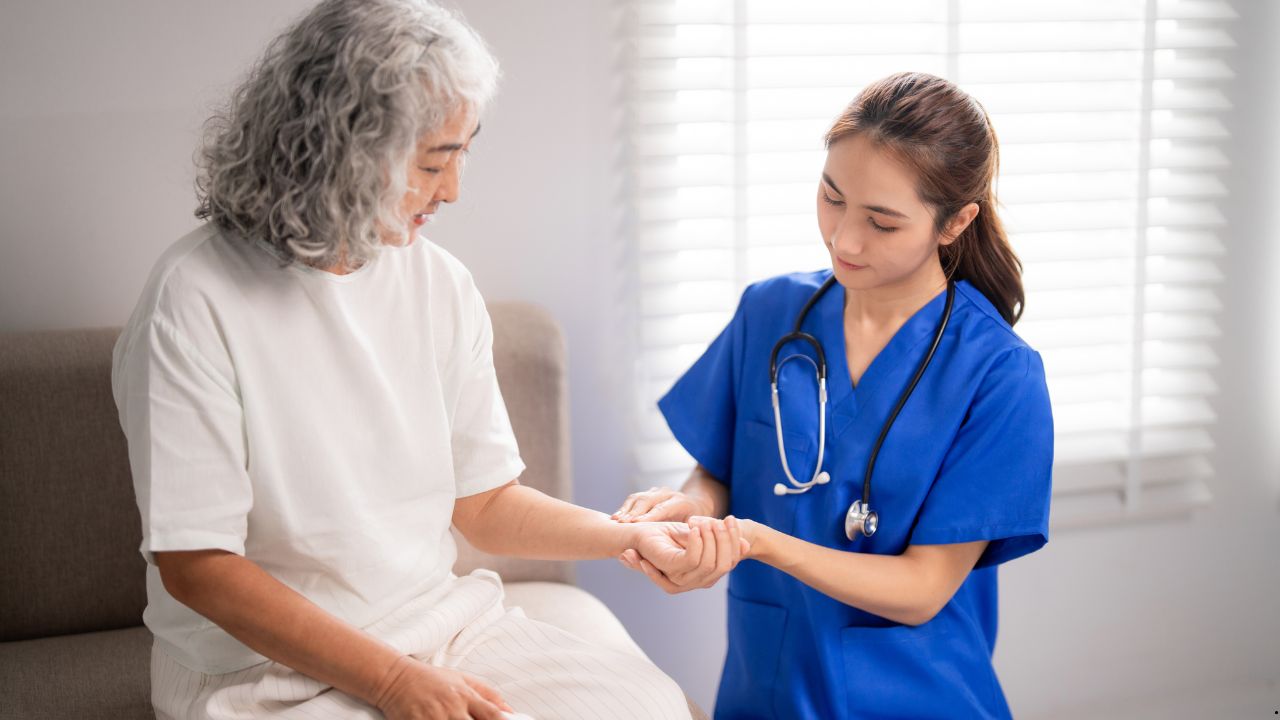
For many people, there’s no place more comforting than home. It’s where routines feel familiar, memories live in the walls, and independence feels strongest. But when age, illness, injury, or disability begins to affect daily life, staying at home can become more challenging.
That’s where trusted nursing support services step in—not just to provide medical assistance, but to improve overall quality of life. With the right support, individuals can remain in their own homes safely and confidently, surrounded by the people and environments they love.
Let’s explore how professional nursing support at home can truly make a difference.
Table of Contents
Supporting Independence Without Sacrificing Safety
One of the biggest fears people have about needing care is losing independence. No one wants to feel like they can’t manage their own life. Trusted nursing support services are designed to do the opposite—they promote independence while ensuring safety.
For example, an older adult recovering from surgery may need assistance with wound care, medication management, or mobility support. Rather than moving into a care facility, a nurse can visit regularly to monitor healing and provide guidance. This allows the individual to continue sleeping in their own bed, cooking in their own kitchen, and maintaining familiar routines.
Similarly, someone living with a chronic condition such as diabetes may require help with monitoring blood sugar levels and administering medication. Having a qualified nurse manage these tasks reduces the risk of complications while allowing the person to maintain control over their day-to-day life.
In many cases, it’s about balancing autonomy with oversight. A nurse doesn’t take over the household—they become a supportive presence within it.
Personalised Care That Adapts to Changing Needs
Unlike hospital environments, which are structured around shift schedules and multiple patients, in-home nursing services focus on individualised care. Every person’s needs are different.
A stroke survivor may require assistance with mobility and rehabilitation exercises. A person living with dementia may need gentle reminders, supervision, and emotional reassurance. A young adult with a disability might need help with personal care and daily living skills.
Professional nursing support takes into account:
- Medical history
- Lifestyle preferences
- Cultural background
- Family involvement
- Long-term health goals
The flexibility of in-home care allows services to adapt as conditions change. For example, a patient might initially need daily visits after hospital discharge but later transition to weekly check-ins as recovery progresses.
This personalised approach aligns closely with broader principles of home care, which focus on delivering health services in a person’s own residence rather than institutional settings.
Reducing Family Stress and Caregiver Burnout
Family members often step into caregiving roles without formal training. While their dedication is admirable, caregiving can be physically and emotionally demanding.
Consider a working parent caring for an ageing relative while also managing a career and children. Balancing medication schedules, doctor appointments, meal preparation, and mobility assistance can quickly become overwhelming.
Trusted nursing support services provide professional backup. They ensure medications are administered correctly, wounds are monitored, and health changes are documented properly. This reduces the pressure on family members and allows them to focus on simply being present—not constantly worrying about medical tasks.
In today’s evolving care landscape, the demand for skilled professionals continues to rise across many healthcare careers. Bringing qualified nurses into the home ensures the same professional standards you would expect in clinical settings, while still allowing families to enjoy the comfort and privacy of home. You can also explore how healthcare careers are expanding as home-based care becomes more essential.
The result? Families gain peace of mind, knowing their loved one is receiving safe, competent care.
Improving Emotional Wellbeing Through Familiar Surroundings
Health isn’t only physical—it’s emotional too.
Studies consistently show that people often recover better and experience improved wellbeing when surrounded by familiar environments. Being at home means access to personal comforts: favourite chairs, family photos, pets, gardens, and neighbourhood connections.
For someone living with cognitive decline, familiar surroundings can reduce confusion and anxiety. For someone managing long-term illness, staying at home can maintain a sense of normalcy.
Nursing support services work within this environment rather than disrupting it. Instead of adjusting to a facility’s routine, care fits into the person’s lifestyle.
For example:
- A nurse might schedule visits around a client’s preferred meal times.
- Rehabilitation exercises can be performed in the living room rather than a clinical gym.
- Social activities with family remain part of daily life.
This holistic approach enhances quality of life beyond medical outcomes alone.
Professional Oversight for Complex Medical Needs
Some individuals require more advanced support. This can include:
- Post-surgical wound care
- Catheter management
- Medication injections
- Palliative support
- Monitoring of chronic health conditions
In these cases, having qualified nurses ensures proper technique, infection prevention, and timely response to complications.
Creating a safe recovery space at home sometimes requires the right equipment. Many families consider options like hospital bed rental to improve comfort, mobility, and overall safety during recovery. When combined with professional nursing support, the home environment becomes both practical and reassuring. Skilled nurses follow strict clinical guidelines, reducing risk and promoting healing.
Families may not feel confident performing these procedures, and that’s completely understandable. Professional nursing services bridge the gap between hospital-level care and independent living.
If you’re exploring options for structured, professional care at home, you can learn more about trusted nursing support services in NSW to understand how comprehensive home-based nursing care is delivered.
Flexibility for Different Life Stages and Situations
Nursing support at home isn’t limited to elderly care. It can benefit:
- Young adults with disabilities
- People recovering from accidents
- Individuals undergoing cancer treatment
- Children with complex medical needs
- Patients requiring palliative care
For example, someone undergoing chemotherapy may feel too fatigued to travel frequently to clinics. Home nursing support can assist with symptom monitoring and medication guidance, reducing the need for unnecessary hospital visits.
In disability support, professional nurses often collaborate with allied health professionals, support workers, and families to create coordinated care plans.
This team-based approach mirrors hospital systems but is adapted for the home environment.
Maintaining Dignity and Personal Choice
One of the most meaningful aspects of in-home nursing support is dignity.
In institutional settings, daily routines may be dictated by staff schedules. At home, individuals retain greater control over:
- When they wake up
- What they eat
- How they spend their time
- Who visits
Professional nurses respect these preferences while ensuring health and safety standards are maintained.
For someone managing long-term illness, maintaining control over personal decisions can significantly improve mental wellbeing. Feeling heard and respected matters just as much as receiving medical care.
The Bigger Picture: Quality of Life at Home
Improving quality of life means more than extending life. It means enhancing comfort, independence, connection, and safety.
Trusted nursing support services improve quality of life at home by:
- Supporting independence safely
- Delivering personalised, adaptable care
- Reducing family stress
- Providing professional medical oversight
- Preserving dignity and emotional wellbeing
For many families, it’s the reassurance that their loved one can remain at home without compromising health.
As healthcare continues to evolve, more people are choosing home-based options that combine professional standards with personal comfort. When delivered by qualified professionals, nursing support at home becomes more than a service—it becomes a foundation for living well.
In the end, quality of life isn’t defined solely by medical charts or test results. It’s measured in comfort, confidence, and the ability to stay connected to the place that feels most like home.