The world of outsourcing is undergoing a significant change. The market is estimated to reach over 450 billion and is expected to grow steadily, as companies continue to rely on external technology and operations services. Meanwhile, IT outsourcing will surpass $600 billion in value in the near future, driven by increased demand for digital, cloud, and innovative technologies. Consequently, managed IT service providers are increasingly becoming partners to many organizations to remain competitive and efficient in this dynamic environment.
Nevertheless, the transition is not only about growth but also about a change in purpose. Already, almost 92 per cent of large businesses are using outsourcing to meet their core IT requirements, but are now adding automation and artificial intelligence to enhance efficiency and innovation. Indeed, more than 90 per cent of firms are investing more in AI-powered applications to automate, predictively analyse, and optimise processes, transforming the nature of outsourcing.
This dynamic environment is compelling companies to re-evaluate the conventional outsourcing paradigms. It is shifting its emphasis to value creation, agility and innovation. It is time to discuss the reasons behind this change and what it implies for the future.
Table of Contents
The Traditional IT Outsourcing Model Is No Longer Enough
Over the years, IT outsourcing has primarily been about cost reduction. Businesses contracted third-party services to perform routine services such as maintenance, support, and infrastructure management. This model was effective in a predictable and stable environment.
The modern business environment is not so. There is a rapid change in technology, increased customer expectations, and high competition. Traditional outsourcing is not sufficient to grow since it is usually not flexible and innovative.
Companies have to be smarter, and solutions need to be able to adjust on the fly. This is where AI and automation are transforming the game.
The Rise of Automation in IT Services
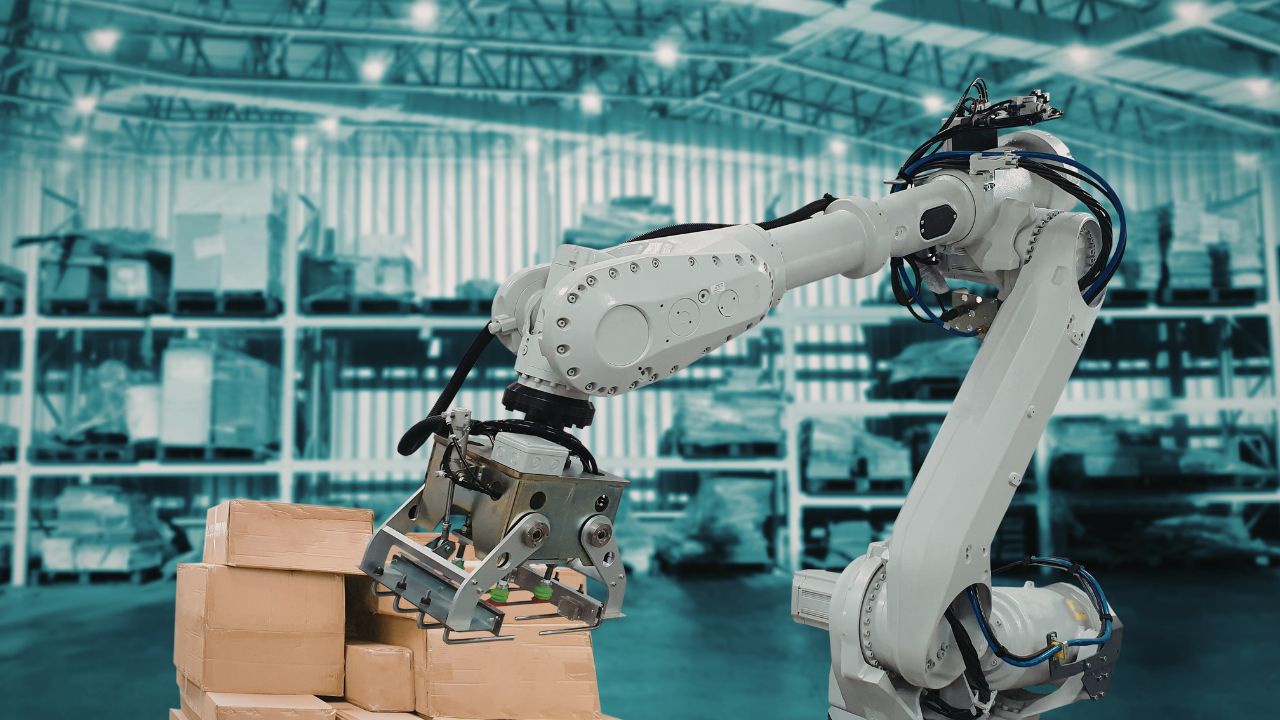
IT services are being delivered differently due to automation. Intelligent systems can now handle tasks that previously had to be performed by humans, such as system monitoring, troubleshooting, and ticket resolution in real-time.
This change has reduced or minimised reliance on manual operations and increased or maximised efficiency within organisations. As an illustration, the use of AI-driven IT support that identifies problems before they happen is becoming common among many companies to minimize downtime and enhance system performance.
Automation is not only about speed, but it is also about smarter decision-making. AI tools can process large volumes of data, forecast failures, and offer solutions, enabling businesses to be proactive rather than reactive to issues.
Why Businesses Are Rethinking Outsourcing
1. From Cost Savings to Strategic Value
Previously, outsourcing was primarily applied to reduce expenses. Businesses today want more than just saving money — they are also exploring smarter strategies like digital marketing outsourcing services to boost growth, improve reach, and stay competitive. They are seeking partners that will enable them to be innovative, scale, and compete internationally.
Outsourcing is becoming more strategic in the modern world, with the emphasis on long-term relationships as opposed to short-term contracts. Businesses are now demanding service providers to come up with new ideas, new technologies and industry knowledge.
2. Demand for Specialized Skills
Due to the development of technologies such as AI, cloud computing, and cybersecurity, the demand for specialized skills is growing. These are the skills that are not in-house in many organizations.
This is the reason why companies are resorting to managed IT service providers who provide experience in advanced technology. These providers assist the companies to keep up to date without necessarily having to employ and train huge internal teams.
3. Shift Toward AI-First Outsourcing
Outsourcing is not merely a task delegation process anymore, but a process of incorporating smart technologies in business.
Firms are now selecting partners with the ability to provide AI-based IT assistance, automation applications, and predictive analytics. This transformation is assisting companies to become more efficient, minimise risks, and improve customer experience.
4. Need for Agility and Scalability
The modern, rapidly evolving market requires businesses to grow rapidly. The traditional models of outsourcing are not flexible, and it is hard to respond to sudden changes.
The current outsourcing solutions are designed to be more nimble. They enable the companies to increase or decrease resources according to the demand to have better control of costs and performance.
5. Increased Focus on Security
Businesses have made cybersecurity a priority. As the threats increase, businesses require more sophisticated security systems that can secure their data and systems.
Security-as-a-service is also being provided by outsourcing providers, which detect and prevent threats in real time with the help of AI and automation. This contributes to the increased value and reliability of outsourcing.
The Role of Managed IT Services in the New Era
The emergence of automation has seen the development of managed IT service solution who provide end-to-end solutions. These providers extend beyond simple support and assist businesses with the overall IT ecosystem.
They offer services like:
- Cloud management
- Cybersecurity monitoring
- Data analytics
- Robotization and AI adoption.
Through these providers, businesses can concentrate on their main operations while having their IT operations run efficiently.
How AI Is Changing Outsourcing
Artificial intelligence is redefining outsourcing in several ways:
Predictive Maintenance
AI tools can be used to forecast system failures before they occur, minimizing downtime and enhancing productivity.
Intelligent Automation
Automation of routine tasks is done, and IT teams can work on more strategic tasks.
Faster Decision-Making
AI is used to analyze data instantly, assisting companies in making superior decisions in a short period of time.
Improved Customer Support
By having AI-driven IT support, businesses can respond to customer problems faster and more precisely.
This is changing outsourcing to be more efficient, proactive and value-driven.
Challenges Businesses Must Consider
Although automation has numerous advantages, it is associated with some challenges:
Skill Gaps
Businesses require qualified specialists who can operate AI and other new technologies.
Integration Issues
The introduction of new technologies into the current systems may be complicated.
Data Privacy Concerns
The management of sensitive data must be highly secured and in line with regulations.
Dependence on Technology
Excessive use of automation may pose risks in case the systems fail or are not managed appropriately.
The solution to these issues is to ensure that the businesses select the appropriate outsourcing partners and invest in planning.
The Future of IT Outsourcing
The future of IT outsourcing is evolving into a more intelligent, flexible, and value-driven model where human expertise and automation work together. Instead of simply outsourcing routine tasks, businesses will focus on building strategic partnerships that deliver innovation and measurable outcomes. Technologies like artificial intelligence, cloud computing, and advanced analytics will play a central role, enabling faster decision-making, predictive problem-solving, and seamless scalability.
Companies will increasingly adopt AI-first outsourcing approaches, where AI-driven IT support handles repetitive and time-consuming tasks, allowing teams to concentrate on growth and innovation. At the same time, managed IT service providers will expand their role by offering end-to-end solutions that combine automation, security, and data insights. This shift will make IT outsourcing more proactive, efficient, and aligned with business goals, helping organizations stay competitive in a rapidly changing digital landscape.
Conclusion
The age of automation is redefining how businesses approach IT outsourcing and IT Infrastructure Companies. What was once a cost-saving strategy is now becoming a powerful tool for innovation and growth.
By adopting modern outsourcing models and partnering with managed IT service providers, companies can leverage advanced technologies to stay competitive. At the same time, integrating AI-driven IT support helps organizations become more efficient, proactive, and resilient.
In this new era, the key to success lies in choosing the right balance between human expertise and intelligent automation. Businesses that embrace this change will not only improve their operations but also gain a strong competitive advantage in the digital world.