
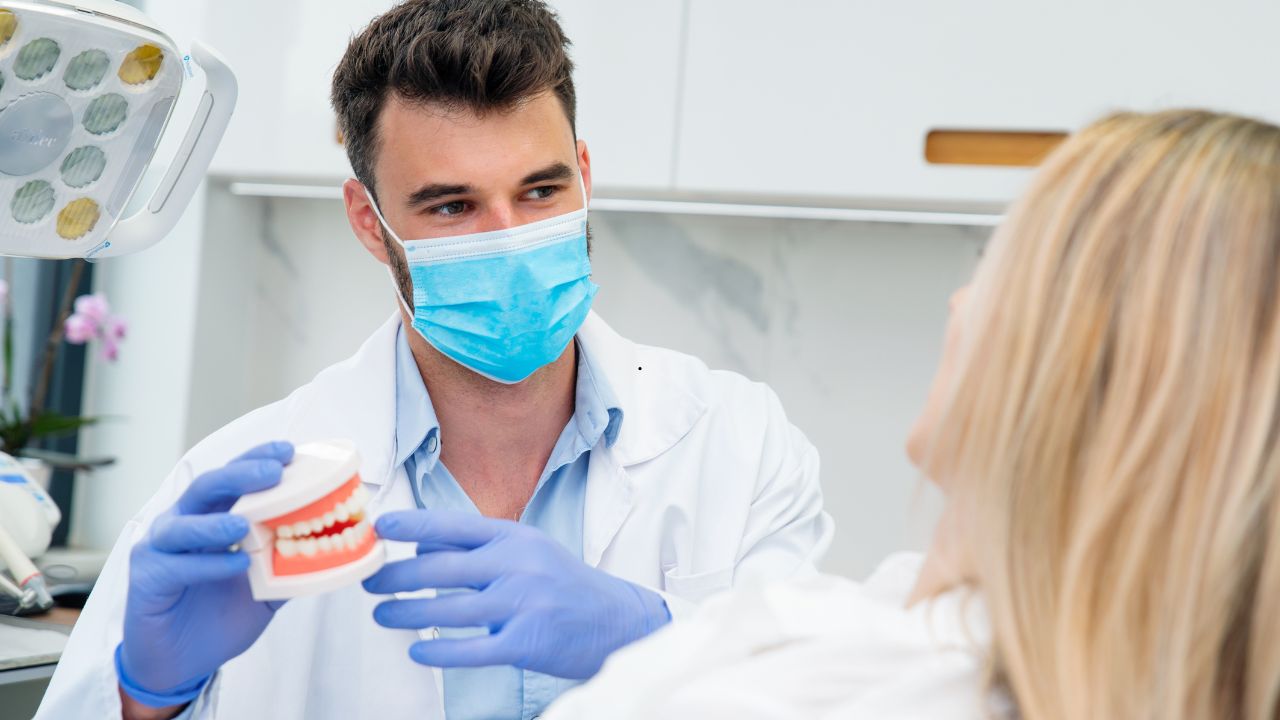
Oral health care is rapidly evolving, driven by groundbreaking advancements in technology and a growing emphasis on holistic wellness. Dental professionals and patients alike are witnessing a transformation in the way care is delivered, paving the way for a future where precision, comfort, and convenience take center stage. Whether you are considering new treatment options or seeking immediate assistance, understanding these trends is essential. For those needing urgent care, a network of verified emergency dental providers is increasingly accessible, making timely intervention more reliable than ever.
Innovations in dentistry go far beyond high-tech gadgets; they are reshaping diagnostic processes, personalizing treatments, and connecting oral health with overall systemic wellness. As we move forward, patients can expect dental care that is more predictive, preventative, and patient-focused. Staying updated with the latest dentistry innovations helps both patients and professionals make smarter, evidence-based decisions. As technology keeps evolving, awareness plays a key role in achieving better oral health outcomes.
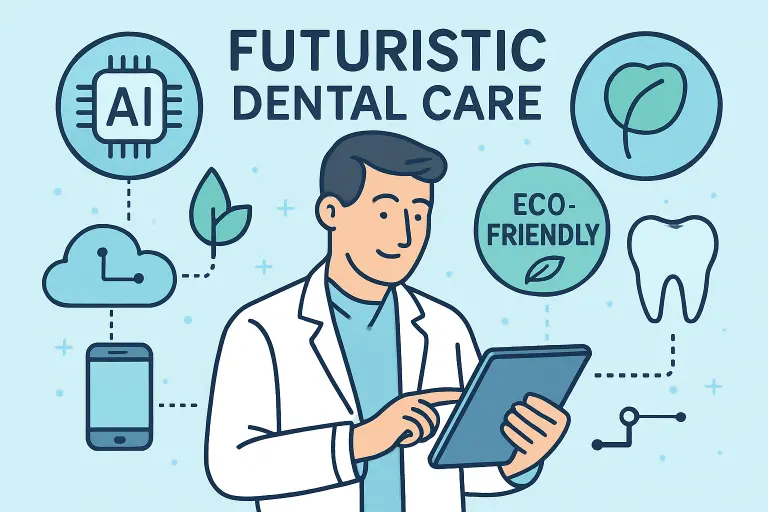
Alongside clinical progress, there is increasing recognition of the environmental and social responsibilities of the dental profession. Practices are going green, digitalization is cutting waste, and oral care products continue to embrace natural ingredients for better patient outcomes.
It is also vital for patients and providers to stay attuned to best practices and research from trusted sources, such as the American Dental Association, which regularly updates its guidelines to reflect the changing landscape of oral health care.
Artificial Intelligence in Diagnostics
Artificial Intelligence (AI) is fundamentally changing dental diagnostics. Powerful algorithms can now scan and interpret digital images such as X-rays and intraoral photos faster and more accurately than ever before. These tools help dental professionals identify issues such as cavities, dental fractures, and gum disease early in their development, increasing the likelihood of successful intervention. Dentists are also using AI to analyze trends in patient histories and predict future oral health risks, enabling proactively tailored care.
Teledentistry and Virtual Consultations
Teledentistry is increasing access to essential dental care, especially for patients living in rural regions or those with limited mobility. Virtual consultations enable real-time symptom assessment, preventive care advice, and digital monitoring of recovery after surgery or routine procedures. This technology is not meant to replace in-person visits entirely but rather to supplement them, saving time and resources while providing earlier attention to emerging dental issues. Modern clinics are also investing in dental marketing to better connect with patients online. A strong digital presence ensures that people can quickly find trusted care when they need it most.
Sustainable Practices in Dentistry
Environmental sustainability is now a core consideration in many dental practices. Efforts include minimizing single-use plastics, utilizing biodegradable materials, and installing energy-efficient systems in clinics. Many offices are moving toward digital records and imaging to reduce paper waste. Companies and professionals involved in eco-friendly dentistry often collaborate with organizations like the Eco Dentistry Association to exchange ideas and promote sustainable growth. Ethical sourcing of dental materials and reduction of hazardous chemicals are also becoming standard in modern dental offices.
Personalized Dental Treatments
The rise of digital tools, such as 3D imaging and customized treatment planning software, is empowering dentists to deliver care that precisely fits each patient’s needs. Treatment simulations help patients visualize outcomes before agreeing to procedures, leading to higher acceptance and greater satisfaction. Mobile dental apps now use AI-powered recommendations to guide daily hygiene or track recovery, encouraging consistent habits and long-term oral wellness.
Integration of Oral and Systemic Health
The medical community increasingly recognizes the critical connection between oral and overall health. Conditions like heart disease, diabetes, and even pregnancy outcomes have known associations with oral health status. Dentists and physicians are collaborating more closely to address the interplay between oral and systemic health. Embracing natural dental products, such as those containing coconut oil, aloe vera, or activated charcoal, can also support this approach by minimizing harmful additives and maximizing holistic benefits.
Probiotics for Oral Health
Probiotics, long recognized for their digestive benefits, are now gaining traction in oral health care. Topical and ingestible probiotic dental products promote a healthier balance of bacteria in the mouth, which can help reduce the risk of cavities, curb gum inflammation, and minimize bad breath. Consumer interest is driving innovation in this area, with global markets for oral probiotics expected to expand significantly in the coming years. These products often appeal to patients seeking natural, preventive oral care.
Advancements in Dental Imaging
Intraoral scanners and advanced 3D imaging have largely replaced traditional dental impressions, which can be uncomfortable. These devices enable easy capture of highly detailed images, improving diagnostic accuracy and treatment planning. Patients benefit from faster, less invasive processes, while dental teams enjoy streamlined workflows and more predictable results. Advanced imaging also facilitates better collaboration between dental specialists, making multi-disciplinary care more coordinated than ever.
Conclusion
The future of oral health care promises a blend of innovation, sustainability, and holistic well-being. AI-driven diagnostics, teledentistry, eco-friendly practices, and advances in imaging are not just trends; they represent the new foundation of modern dentistry. Staying informed and choosing providers who embrace these changes ensures the best possible oral health outcomes for every patient, today and in the years to come.