

New car buying has entered an era of unprecedented change. With shifting economic realities, advances in technology, and evolving consumer expectations, the process of acquiring a vehicle looks very different from just a few years ago. Today’s car buyers are navigating a complex marketplace, seeking value, convenience, and sustainability in equal measure. For anyone exploring their options with auto dealers Tampa, understanding current trends is essential to making a smart purchase.
As modern shoppers demand more transparency and flexibility, dealers and manufacturers have adapted their strategies. The car-buying journey now blends digital platforms and in-person experiences, reshaping relationships between shoppers and sellers. Whether searching for a family SUV or a compact commuter car, today’s buyers have access to more tools and information than ever before.
Rising prices, extended ownership periods, and the mainstream emergence of electric vehicles are just a few factors influencing decisions. Understanding how these trends interact can provide clarity for those weighing options on the dealership lot or finalizing a purchase online.
Technological transformation, affordability concerns, and environmental consciousness will continue to shape the future of new car buying. Staying informed about these shifts can help consumers secure the right vehicle for their lifestyle and budget. Those seeking a new Nissan near me will find that staying up to date with these changes can make the buying process smoother and more rewarding.
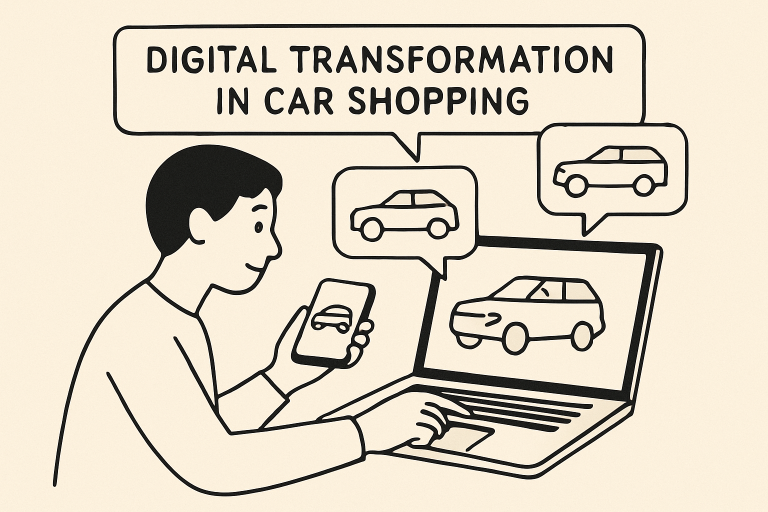
Digital Transformation in Car Shopping
Digital tools have become essential in the modern car-buying process. Most shoppers begin their journey online, sifting through reviews, comparing models, and even negotiating prices remotely. According to Reuters, a significant majority of buyers research vehicles online before setting foot in a dealership.
Dealerships, recognizing this shift, have invested heavily in digital platforms that let buyers browse inventory, evaluate trade-ins, and complete financing applications remotely. While the convenience of shopping from home is undeniable, most consumers still want to see and test-drive the car before finalizing their decision. This hybrid approach combines the efficiency of digital experiences with the reassurance of a physical inspection.
Rising Vehicle Prices and Affordability Challenges
Affording a new car is increasingly challenging for many Americans. Record-high vehicle prices, combined with higher loan rates, have led to more buyers taking on monthly payments exceeding $1,000. The financial burden has prompted careful budgeting and more consideration of long-term costs. According to CNBC, affordability is now one of the most critical factors in the car-buying decision-making process.
Shift Towards Smaller and More Efficient Vehicles
In an effort to offset rising expenses, many buyers have set their sights on smaller, more fuel-efficient cars. Compact and subcompact vehicles are gaining popularity due to their lower upfront costs, improved gas mileage, and inclusion of advanced safety and connectivity features. These vehicles offer a blend of practicality, lower emissions, and affordability, increasingly attractive to urban and budget-conscious buyers.
Increased Vehicle Longevity
The average age of vehicles on American roads continues to climb, with many drivers opting to maintain and upgrade existing cars rather than enter the new car market. Industry experts point to improved reliability, quality engineering, and the high cost of new models as factors underpinning this trend. Many drivers are also relying on simple car maintenance tips to keep their vehicles running longer without stretching their budget.
Emergence of Car Subscription Services
For those looking for something other than ownership or traditional leasing, car subscription services are presenting appealing alternatives. These programs let consumers switch between different types of vehicles with predictable monthly payments that often include insurance, maintenance, and roadside assistance. Subscription models are especially popular in urban centers, offering flexibility, variety, and peace of mind for buyers unwilling or unable to commit to a long-term purchase.
Personalization and Data-Driven Decision Making
Advanced analytics and artificial intelligence are transforming how dealers communicate with customers. By leveraging data, dealerships can offer tailored recommendations, targeted promotions, and customized financing options designed to fit individual needs. Personalization increases engagement and satisfaction, allowing shoppers to feel understood and prioritized, trends that will likely become even more pronounced as AI-driven retail strategies advance.
Growing Interest in Electric Vehicles
Interest in electric vehicles (EVs) is rising fast, and understanding EV charging time has become an important part of the buying decision. EVs now account for a larger share of new vehicle sales, reflecting a shift in consumer attitudes toward sustainable transportation. For an in-depth look at the rapid growth of the EV market and its broader impact, consult this New York Times analysis.
Conclusion
The journey to purchase a new car has transformed, shaped by economic pressures, digital advancements, and evolving preferences. Whether you are browsing online with local dealerships or considering a shift to a fuel-efficient or electric vehicle, understanding today’s trends can help you make a well-informed, future-ready choice in the new car market.