
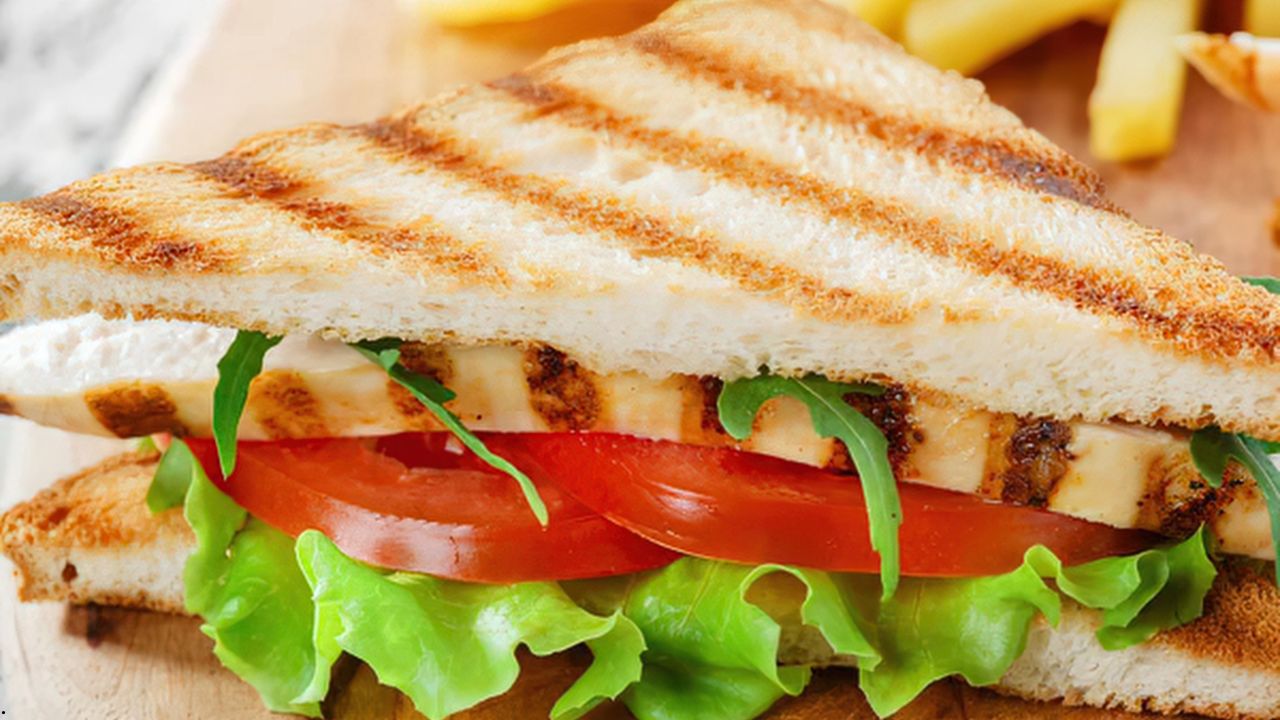
A good High-Fiber Sandwich for Work Lunch should do two things well: keep you full and keep its texture. That is where many packed lunches fail. The bread turns damp, watery vegetables leak into the filling, and by noon the sandwich feels more like a compromise than a real meal. The fix is not complicated. You need the right bread, the right high-fiber fillings, and a simple assembly order that controls moisture. This guide shows you how to build a sandwich that travels well, stays firm for hours, and still tastes fresh when you open your lunch box.
Why does a work lunch sandwich get soggy so fast?
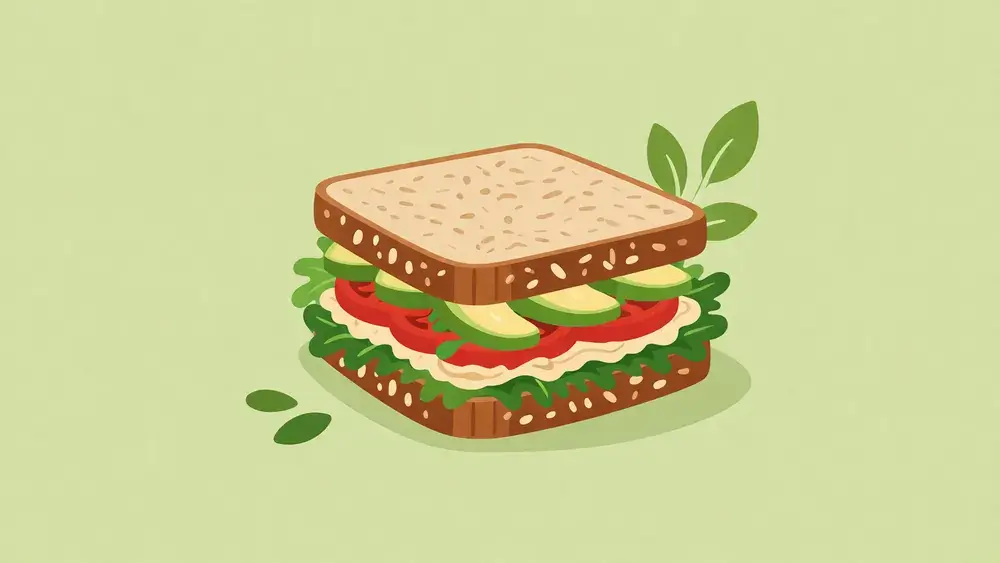
A sandwich gets soggy when moisture moves from wet ingredients into the bread. Tomatoes, cucumbers, juicy pickles, soft spreads, and freshly dressed greens are the main problem. Time makes it worse. Even a well-made sandwich can lose texture if it sits for several hours without any moisture barrier.
For a better result, think like a builder. Bread is the structure. Fiber-rich fillings add substance. Moist ingredients need containment. Dry and sturdy ingredients should sit next to the bread first. Wet ingredients should stay in the center or be packed separately.
This matters even more for a high-fiber lunch. Many fiber-rich foods, such as beans, shredded vegetables, hummus, pears, or seeded bread, have very different water levels. High fiber alone does not protect texture. Good storage habits matter just as much as ingredient choice when it comes to keeping sandwiches fresh. If you want to go deeper into smart storage setups and durable kitchen essentials that support meal prep, check this food storage guide for practical ideas.
What makes a sandwich high in fiber?
A high-fiber sandwich usually combines a fiber-rich base with plant-forward fillings. The easiest route is to stack fiber from several small sources instead of forcing it from one ingredient.
Best high-fiber building blocks
- 100% whole grain bread
- Whole wheat pita or dense rye
- Seeded sandwich bread
- Beans, chickpeas, or lentil spreads
- Avocado
- Leafy greens
- Herbs like Cilantro, Celery, Oatstraw, Chlorella, Sheep Sorrel
- Shredded cabbage, carrots, or beets
- Roasted vegetables
- Chia, flax, or sunflower seeds
- Pear, apple, or berries on the side if you want to raise total lunch fiber
In practical terms, bread matters a lot. A soft white sandwich loaf may hold fillings, but it does not add much structure or fiber. Dense whole grain bread with seeds usually performs better for both texture and satiety. USDA-linked guidance also continues to emphasize that many adults fall short on fiber intake, so a work lunch is a useful place to build it in.
Which bread works best for a high-fiber sandwich that travels well?
The best bread is sturdy, dense, and not overly airy. It should resist moisture for several hours.
| Bread Type | Fiber Potential | Travel Performance | Best Use |
|---|---|---|---|
| Seeded whole grain loaf | High | Excellent | General work lunch sandwiches |
| Dense rye bread | Moderate to high | Very good | Bean spreads, roasted vegetables, turkey |
| Whole wheat pita | Moderate | Good | Pocket-style fillings with less leakage |
| Sourdough whole grain | Moderate | Good | Layered sandwiches with dry fillings |
| Soft white sandwich bread | Low | Poor | Same-day quick meals only |
Look for bread that lists whole grain ingredients clearly and has a firm crumb. Bread with seeds and intact grains tends to hold up better because it is more substantial. Nutrition guidance from the Academy of Nutrition and Dietetics also points people toward 100% whole grains when trying to raise fiber intake.
How do you stop a high-fiber sandwich from getting soggy?
Use a moisture-control sequence. This is the core method.
Anti-soggy assembly order
- Start with dry, sturdy bread.
- Add a moisture barrier on both slices.
- Place crisp greens or cheese next to the bread.
- Put the main filling in the center.
- Keep juicy ingredients away from the bread.
- Pack very wet items separately when needed.
Moisture barriers can be hummus, mashed beans, cream cheese, thick avocado, nut butter in sweet versions, or even a dry lettuce layer combined with cheese. The idea is simple: stop liquid from soaking directly into the crumb.
Ingredients that usually cause problems
- Tomato slices
- Cucumber rounds
- Pickles
- Loose salsa
- Watery slaw
- Overdressed greens
- Hot fillings packed before cooling
If you want tomatoes, use thick slices, pat them dry, and place them in the middle. If you want crunchy vegetables, choose shredded cabbage or carrots over cucumber. They are usually more stable and still raise fiber.
What is the best filling strategy for texture and fiber?
The best filling strategy is to pair one dense fiber source with one crisp low-moisture vegetable and one protein source. This creates balance. The sandwich feels substantial, not heavy, and the filling does not slide around.
| Filling Base | Texture Benefit | Fiber Benefit | Works Well With |
|---|---|---|---|
| Mashed chickpeas | Thick and stable | High | Shredded carrot, spinach, cucumber packed separately |
| Lentil spread | Dense and not drippy | High | Roasted peppers, arugula, feta |
| Avocado mash | Creamy barrier | Moderate | Turkey, sprouts, cabbage |
| Hummus | Good barrier | Moderate | Roasted vegetables, greens, grilled chicken |
| White bean mash | Very spreadable | High | Tuna, parsley, celery |
Roasted vegetables are usually better than raw watery ones for lunchbox sandwiches. Roasted peppers, eggplant, zucchini, and mushrooms can work well when cooled fully and blotted before packing. They bring flavor without flooding the bread.
Which sandwich combinations work best for work lunch?
These combinations are practical, fiber-aware, and easy to prep.
1. Chickpea crunch sandwich
Use seeded whole grain bread, mashed chickpeas, Dijon, shredded carrot, shredded cabbage, and spinach. This is one of the safest anti-soggy builds because the filling is thick and the vegetables are crisp rather than watery.
2. Turkey, avocado, and slaw sandwich
Use dense whole grain bread, avocado on both slices, turkey, dry cabbage slaw, and mustard. Keep tomato out or pack it separately.
3. Hummus and roasted vegetable sandwich
Use whole grain sourdough, hummus, roasted red peppers, roasted zucchini, arugula, and sunflower seeds. Cool and blot the vegetables first.
4. White bean tuna sandwich
Use rye bread, mashed white beans, tuna, celery, parsley, and leafy greens. This gives a solid texture and good lunchbox stability.
5. Peanut butter, chia, and apple sandwich
For a sweet option, use whole grain bread, peanut butter, thin apple slices patted dry, and a sprinkle of chia. It is simple, portable, and less fragile than yogurt-based fillings.
How should you pack the sandwich for food safety and texture?
Texture is only half the job. Temperature matters too. If your sandwich contains meat, dairy, eggs, tuna, or other perishable fillings, keep it cold. Food safety guidance from FDA and CDC says perishable foods should not sit out too long, and cold foods should stay at 40°F or below when possible. A lunch bag with an ice pack is the safest routine for work.
Simple packing rules
- Cool cooked fillings before assembly.
- Wrap the sandwich tightly so it does not shift.
- Use parchment first, then a container if you want extra protection.
- Add an ice pack for perishable ingredients.
- Pack wet toppings separately if the lunch will sit for many hours.
Do not pack hot roasted vegetables or warm proteins straight into the sandwich. Steam becomes trapped. That moisture will soften the bread fast.
Checklist
- Choose dense whole grain or seeded bread
- Add fiber from bread plus fillings, not from one ingredient only
- Use a thick spread as a moisture barrier
- Place greens or cheese next to the bread
- Keep wet ingredients in the center
- Pat watery vegetables dry
- Cool cooked ingredients fully before packing
- Use an ice pack for perishable fillings
- Pack tomatoes, pickles, or dressings separately when needed
- Slice only when serving if you want maximum structure
What common mistakes ruin a high-fiber sandwich by noon?
Using the wrong bread
Soft, thin bread collapses under fiber-rich fillings. It is the fastest route to a soggy lunch.
Adding too many wet ingredients
Tomatoes, cucumbers, juicy pickles, and loose slaw together almost guarantee moisture problems.
Skipping a barrier layer
If the spread is thin or only on one side, moisture reaches the bread more easily.
Packing warm ingredients
Warm fillings create steam. Steam softens everything.
Overfilling the sandwich
A very tall sandwich looks good at home but compresses during transport. That pressure pushes moisture into the bread.
Can a high-fiber work lunch also be filling?
Yes, but only if you balance the sandwich well. Fiber helps with fullness, but most people also need protein and enough overall substance to avoid getting hungry again too fast. A practical formula is:
sturdy whole grain bread + fiber-rich spread or vegetable + protein + crisp produce
That formula works because it covers structure, texture, and satiety at the same time. It is also easier to repeat during the workweek. Instead of chasing new recipes every day, you can rotate the filling base and keep the same assembly logic.
FAQ
How do I keep sandwich bread from getting soggy in a lunch box?
Use dense bread, add a thick spread on both sides, and keep wet ingredients away from the bread.
What is the best bread for a high-fiber sandwich?
Seeded whole grain bread or dense rye usually works best because it adds fiber and resists moisture better than soft white bread.
Can I use tomatoes in a work lunch sandwich?
Yes, but pat them dry and place them in the center. For the best texture, pack them separately.
Is hummus a good anti-soggy spread?
Yes. Hummus works well as a moisture barrier and adds fiber, especially in plant-forward sandwiches.
Should I toast the bread first?
Light toasting can help, but do not overdo it. Very hard toast can turn chewy after hours in a wrapper.
How long can a sandwich stay safe at room temperature?
That depends on the fillings. Perishable ingredients should be kept cold with an ice pack rather than left at room temperature for hours.
What vegetables stay crisp the longest?
Shredded cabbage, carrot, and sturdy greens usually hold up better than cucumber or tomato.
Glossary
Dietary fiber
A type of carbohydrate from plant foods that the body does not fully digest.
Moisture barrier
A layer that helps protect bread from wet fillings, such as hummus, avocado, or cheese.
Whole grain bread
Bread made with grain ingredients that keep all major parts of the grain.
Perishable filling
A filling that needs cold storage for safety, such as meat, dairy, eggs, or tuna.
Dense crumb
A firm bread texture with less open air space, which usually holds fillings better.
Meal prep
The practice of preparing ingredients or meals in advance for faster weekday eating.
Satiety
The feeling of fullness after eating.
Assembly order
The sequence in which sandwich ingredients are layered to improve texture and stability.
Conclusion
A great high-fiber work lunch sandwich is not about piling in more ingredients. It is about choosing sturdy bread, controlling moisture, and layering with purpose so the sandwich still tastes good when lunch actually happens.
Sources
U.S. nutrition overview with fiber intake context and recommended intake references, USDA nutrition resources — usda.gov/about-usda/news/blog/online-nutrition-resources-your-fingertips
Dietary fiber intake data and guideline-based context for Americans, USDA ERS chart note — ers.usda.gov/data-products/charts-of-note/chart-detail?chartId=106189
Current federal dietary guidance page, Dietary Guidelines for Americans — fns.usda.gov/cnpp/dietary-guidelines-americans
Practical fiber guidance on choosing whole grains and adding vegetables, Academy of Nutrition and Dietetics fiber page — eatright.org/health/essential-nutrients/carbohydrates/fiber
Simple ways to add fiber at lunch, Academy of Nutrition and Dietetics daily fiber tips — eatright.org/health/essential-nutrients/carbohydrates/easy-ways-to-boost-fiber-in-your-daily-diet
Food storage safety and the two-hour rule for perishables, FDA consumer update — fda.gov/consumers/consumer-updates/are-you-storing-food-safely
Cold holding guidance around 40°F and food safety, FDA refrigerator thermometer guidance — fda.gov/food/buy-store-serve-safe-food/refrigerator-thermometers-cold-facts-about-food-safety
Food safety basics for refrigeration timing and hot-weather caution, CDC prevention page — cdc.gov/food-safety/prevention/index.html
Cold pack and cooler guidance for keeping food at safe temperature, CDC emergency food safety page — cdc.gov/food-safety/foods/keep-food-safe-after-emergency.html
Safe chilling and refrigeration reminders for prepared foods, FDA food safety page — fda.gov/food/people-risk-foodborne-illness/tips-chill-food-food-safety-moms-be