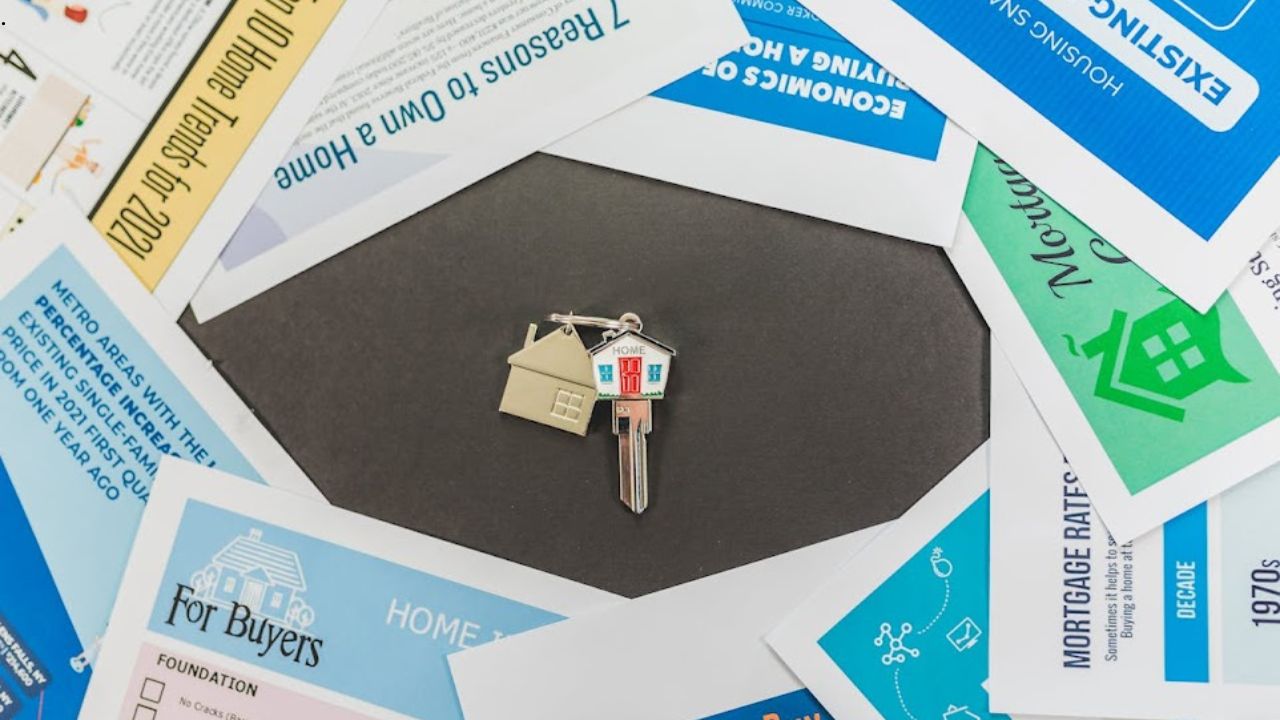
“This 2026 guide explores how aggressive real estate advertising and high end website design accelerate property sales. By leveraging psychological thumb stops, omnichannel digital marketing and AI driven visuals, sellers can create a high pressure Coming Soon environment to ensure a faster close.”
In the 2026 property market, waiting for a buyer is a losing strategy. If you aren’t actively hunting for leads through aggressive real estate advertising, your listing is essentially invisible. The window to grab a buyer’s attention has shrunk to the mere seconds it takes to swipe a thumb across a smartphone screen.
Today, selling a home fast is not just about the price tag or the neighborhood; it is about the digital narrative you build around it. The properties that move within 48 hours are not necessarily better than those sitting for 60 days they are simply better at being seen.
Table of Contents
1. Why Traditional Just Doesn’t Cut It Anymore
In the past, agents relied on simple yard signs and MLS uploads, but today preparation matters just as much as promotion—similar to following a structured sell your business checklist before any major exit. In 2026, that is a recipe for a stagnant listing. High conversion advertising works because it creates a sense of now or never.
When you launch a property with a coordinated ad blitz, you are not just informing people that the house is for sale; you are creating a digital event. The goal is to reach the passive buyer someone who was not necessarily looking to move today but sees your ad and realizes they must have that specific kitchen or that exact view.
2. The Psychology of the Thumb Stop
You have about half a second to stop someone from scrolling past your listing. That is the brutal reality of real estate marketing today.
Modern campaigns use lifestyle heavy imagery to trigger an emotional response. People do not just buy four bedrooms and three baths; they buy the idea of hosting holiday dinners or having a serene home office. By the time a lead clicks on your ad, the photography should have already convinced them that this house fits their identity. If the ad is too logical and they keep scrolling. If it is emotional, they engage.
3. Your Website is Your Only 24/7 Salesperson
Third party listing portals are useful, but they are crowded and often feature your competitors’ ads right next to your own. This is why custom website design is the secret weapon for a fast sale.
A dedicated property site is a controlled environment where you own the narrative. In 2026, these sites are high performance machines. They feature:
- Interactive Walkthroughs: Letting a buyer walk from the primary suite to the garage via their VR headset
- Instant Engagement: AI driven assistants that can answer technical questions, like annual property taxes, at 3:00 AM
- Mobile Speed: If the page takes more than two seconds to load on a mobile device, that buyer is gone forever
4. The Omnichannel Surround Sound Effect
To sell a house at lightning speed, you need to be everywhere at once. A one and done social post will not suffice. A modern strategy uses an omnichannel approach:
- Social Hype: Using vertical video to show the vibe of the home the sound of the fountain, the light through the windows and the walk to the local coffee shop
- Search Intent: Using Google Ads to capture people specifically searching for homes for sale
- The Ghost Follower: Through retargeting pixels, if someone looks at your property once, your ads follow them across the web. This keeps the house at the top of their mind until they finally book a tour
5. Visual Tech: Drones and AI Staging
In 2026, drone shots are the bare minimum. High end listings now use them to show the three minute radius of the parks, schools and commute routes nearby. It is about selling the location as much as the lot. In 2026, agents are moving beyond general listings and adopting the hyper-local blueprint for real estate dominance to prove they are the undisputed experts in that specific community’s lifestyle and amenities.
Virtual staging has also eliminated the empty room problem. Instead of spending thousands on physical furniture rentals, agents use AI to stage a room in multiple styles. This allows a young couple to see a nursery while a professional sees a high end home gym. You can appeal to every demographic using the same set of base photos.
6. Real Time Pivoting
The greatest advantage of digital advertising is that it tells you when you are failing instantly. If the data shows that 5,000 people saw the ad but only 10 clicked, we know the lead image is the problem. We can swap it out in five minutes.
We use heatmaps to see where visitors are clicking on the property website. If everyone is looking at the backyard but ignoring the basement, we move the backyard photos to the front of the gallery. This data driven tweaking ensures the property never loses momentum.
7. The Coming Soon Pressure Cooker
The fastest sales often happen before the house is officially on the market. By running ads we build list of hyper interested buyers before the first showing. By the time the open house rolls around, you already have dozens of people who have been studying the photos for a week. This pre built competition is what drives prices up and Days on Market down.
Conclusion
At the end of the day, real estate advertising is about removing every possible hurdle between a buyer and a contract. In 2026, the market moves at the speed of light. If your marketing strategy is stuck in past, your property will be too.
Investing in high end website design and a sophisticated ad spend is not an extra cost it is the only way to ensure you are not the house that everyone wonders why hasn’t that sold yet? Move fast, be visible and use the data. That is how you win in 2026.