
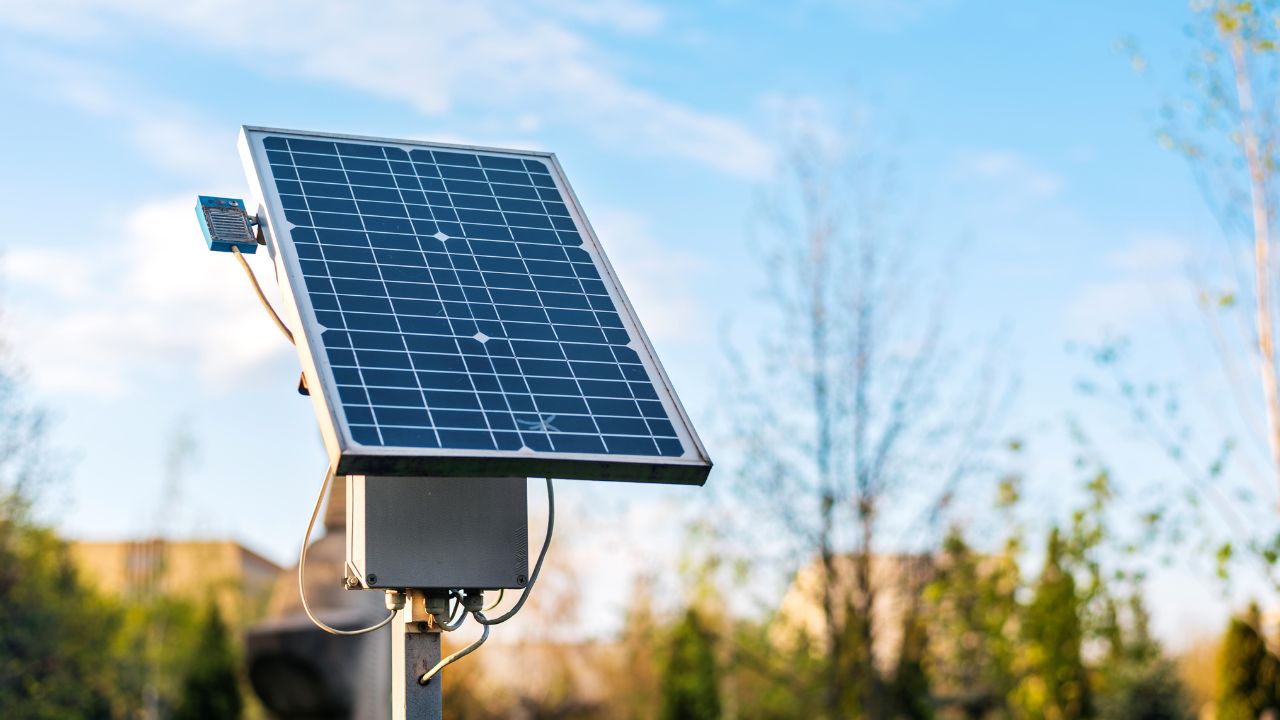
Solar panels often produce the most power when nobody is using much of it. Midday sunlight fills the roof with energy, while the busiest household hours usually arrive after work, after school, and after sunset. That mismatch is the reason batteries have become part of the solar conversation.
Solar self-consumption means using more of the electricity generated on-site instead of exporting it to the grid. A home battery helps by storing extra solar production during the day and releasing it later.
Why self-consumption matters more now
The old solar pitch was simple: send extra power to the grid and get credited. In some places, net metering still works that way. In others, export credits have been reduced or shifted to time-based values. That makes each kilowatt-hour used inside the home more valuable than one sent out at a low rate.
According to the International Energy Agency, growth in distributed solar is increasing the need for flexibility in power systems. At the household level, flexibility often means a battery, smart controls, or both.
What a good solar battery setup needs
A useful solar storage setup is not just a battery bolted to a wall. It needs the right inverter architecture, clear monitoring, backup logic, and room to grow. Homeowners should look closely at:
- Usable battery capacity, not just nameplate capacity
- Continuous and surge power ratings
- Solar charging behavior during outages
- Load control for high-consumption appliances
- App visibility into energy flows
This is where integrated systems can be cleaner than mixing several separate devices. Sigenergy SigenStor, for example, is positioned as a 5-in-1 energy storage system combining solar inverter, EV DC charger option, battery PCS, battery pack, and energy management.
Integration matters because solar storage decisions often become future appliance decisions. A family may install panels this year, add an EV next year, and replace a gas furnace with a heat pump later. If the battery and inverter plan cannot adapt, the home may need extra equipment sooner than expected. A system designed with expansion in mind can make that path less awkward.
Size the battery around evening life
The best battery size depends on what happens after sunset. A household that cooks with gas, drives a gasoline car, and uses little air conditioning may need less storage. A home with induction cooking, a heat pump, and a car that needs daily EV charging has a very different load profile, since that extra draw usually lands right in the evening peak.
Battery modules such as LFP packs are popular for residential storage because lithium iron phosphate chemistry is known for thermal stability and long cycle life. The exact sizing should be based on utility data, solar production estimates, and backup goals.
BloombergNEF has reported that lithium-ion battery prices have fallen sharply since 2010, but installed home battery value still depends on design. A poorly sized system can leave money on the table, while a well-matched system can shift meaningful solar energy into evening hours.
One useful sizing exercise is to compare a sunny spring day with a hot summer evening. In spring, the home may export plenty of midday solar and use modest power after sunset. In summer, air conditioning can keep running into the evening, when solar output falls. A battery that looks generous in April may feel smaller in August. Good modeling should show both conditions.
Export rules are another reason to look closely at self-consumption. If the utility pays a low export credit, storing solar for evening use may be more attractive. If net metering is strong, the financial case may depend more on backup value and future rate changes. The same battery can serve both goals, but the operating settings may differ.
Do not ignore the software
The app and control layer matter because self-consumption is a daily behavior. Homeowners need to see when the battery charges, when it discharges, and whether the grid is being used at expensive times. Without that visibility, it is hard to know whether the system is doing its job.
Monitoring also helps catch small problems early. If a battery stops charging fully, if solar production drops, or if a new appliance changes the evening load curve, the homeowner should be able to see the pattern. Storage is not a set-and-forget appliance in the same way as a refrigerator. It is part of the home’s energy rhythm.
For solar households trying to use more of their own generation, the strongest setup is usually solar plus modular storage plus smart controls. A platform such as SigenStor home energy storage gives installers a relevant product page to discuss when explaining how solar production, battery capacity, and future EV charging can fit together.