Breaking into the finance sector is notoriously difficult, with competition for roles at top firms tougher than ever. While a compelling resume will get your foot in the door, nailing the interview is what ultimately secures the offer. This is where technology steps in. Leveraging a finance mock interview tool can dramatically improve your interview skills and confidence, helping you stand out from other candidates. Comprehensive digital platforms like Cook’d AI allow you to practice, get feedback, and refine your responses so that you’re well-equipped for any question that comes your way.
Mock interviews are more than just a way to alleviate nerves. These tools use AI to simulate real interview scenarios, evaluate your answers, and even analyze the non-verbal cues that can influence an interviewer’s opinion. By providing instant, tailored feedback, mock interview platforms help you avoid common pitfalls and develop the poise expected of finance professionals.
With finance interviews focusing intensely on both technical and behavioral skills, the right preparation can mean the difference between a memorable first impression and an overlooked resume. Most employers now emphasize qualities like critical thinking, adaptability, and polished communication. Practicing with an AI-powered tool ensures your preparation is comprehensive and directly relevant to the precise roles you are targeting.
Pounding through dozens of technical finance questions is no longer enough. Taking advantage of new preparation technologies enables you to refine your responses, build authentic confidence, and receive granular feedback on your communication style. Candidates who proactively use these resources report higher offer rates and a noticeably improved interview experience.
Table of Contents
Understanding the Importance of Mock Interviews
Mock interviews provide candidates with a safe, no-risk environment to rehearse for the real thing. Practicing both technical and behavioral questions helps build familiarity with typical interview structures and question types, reducing uncertainty and boosting confidence. By recording and reviewing these sessions, candidates can refine their communication, adjust their approach, and internalize feedback for continuous improvement. Research consistently shows that structured mock interview preparation is one of the strongest predictors of interview success across industries.
Investing just three to four hours in mock interviews can increase your chances of receiving a job offer by 50 to 100 percent. In practical terms, a single afternoon of focused practice can nearly double your odds of success. Repeated exposure to realistic interview scenarios also helps alleviate stress, minimizing the risk of blanking or underperforming when it matters most. Ultimately, mock interviews transform preparation from a guessing game into a strategic advantage.
Benefits of Using AI-Powered Mock Interview Tools
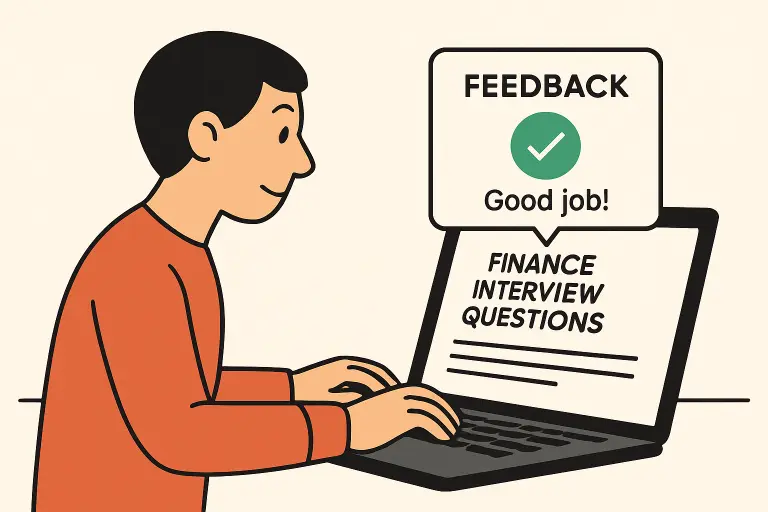
- Realistic Simulations: AI-powered tools recreate authentic interview scenarios, helping you prepare for technical and behavioral rounds similar to what you would find in a detailed interview questions guide. This lets you get comfortable with the dynamic, high-stakes nature of these interviews.
- Instant Feedback: These platforms deliver immediate, actionable feedback on both what you say and how you say it. Behavioral and content analysis help you spot areas for improvement that are difficult to catch on your own.
- Customized Practice: Advanced mock interview tools personalize the question set to the finance roles you are interested in, ensuring your preparation is sharply focused and directly relevant.
This approach is supported by leading publications. AI-driven feedback fine-tunes your abilities, boosting your performance in both virtual and in-person interviews.
Key Features to Look for in a Mock Interview Tool
The best mock interview tools go well beyond surface-level training. Look for features such as:
- Industry-Specific Question Bank: Ensure there is a robust set of technical and behavioral questions tailored to finance roles, from entry-level analyst positions to senior leadership interviews.
- Detailed Performance Analytics: Opt for tools that offer analytics on your strengths, weaknesses, and progress over time, so you can measure improvement and target problem areas.
- Behavioral and Non-Verbal Analysis: Some platforms evaluate your eye contact, body language, and vocal tone—all elements that affect how you are perceived in high-stakes interviews.
- Flexible Practice Options: The ability to switch between self-paced practice, peer interviews, and sessions with AI or human mentors permits a truly comprehensive prep experience.
How to Integrate Mock Interviews into Your Preparation
- Set Specific Goals: Decide what you need to improve, whether it’s technical questions, behavioral responses, or refining your market pitch.
- Stick to a Schedule: Book regular practice sessions. Consistency leads to confidence and adaptability, essential skills for interviews that require you to think on your feet.
- Reflect and Adapt: After each session, review your feedback with a critical eye. Use it to refine your answers and address any pitfalls before they become habits.
- Simulate Real-World Conditions: Dress for the interview, practice in a quiet setting, and use video, if possible, to mirror the real environment you will face.
The right preparation structure will help you remain calm and articulate, even under intense scrutiny from the interviewer.
Real-Life Success Stories
Consistent use of mock interview tools has led many finance professionals to secure roles they once thought were out of reach. For example, one aspiring investment banker used daily AI-powered practice sessions to dramatically improve her delivery and technical accuracy, landing a position after three competitive interview rounds. These platforms offer personalized feedback and track your improvement, helping you make incremental gains that pay off in the real interview room.
Common Mistakes to Avoid
- Over-Memorizing Answers: Reciting answers word-for-word can undermine your credibility. Focus on understanding concepts and speaking naturally.
- Ignoring Non-Verbal Communication: Many candidates lose points for poor body language, lack of eye contact, or a closed posture, all of which can create negative impressions even with strong content.
- Neglecting Behavioral Questions: Finance interviews now routinely include situational and behavioral questions, so be prepared to discuss past experiences using a structured response model.
Conclusion
Securing a coveted role in the finance sector requires more than technical knowledge. It demands high-level communication skills, adaptability, and poise under pressure. Mock interview tools, especially those powered by AI, offer tailored practice and critical feedback, elevating your readiness for even the toughest scenarios. By weaving these advanced tools into your preparation routine, you set yourself apart and ultimately increase your chances not just of landing an interview but of turning it into a job offer.