Key Takeaways
- Modern network inventory management systems enhance operational efficiency and reduce costs.
- Technologies like AI, IoT, and cloud computing play pivotal roles in optimizing inventory processes.
- Implementing advanced inventory solutions improves customer satisfaction and provides a competitive advantage.
Businesses today operate in an environment where speed, accuracy, and adaptability are more crucial than ever. Efficient network inventory management lies at the heart of these operational demands, enabling organizations to reliably track resources and streamline operations. Outdated, manual systems slow progress and breed errors, while modern digital solutions transform processes and boost repeatable results. For teams seeking to raise their performance, exploring the latest network inventory management software options is a crucial step toward excellence.
Modern inventory management is essential for organizations aiming to meet customer expectations for rapid service. Advanced inventory systems mitigate stockouts and improve business agility, enabling quick responses to market changes. The shift from manual audits to real-time solutions enhances operational efficiency by providing accurate data to optimize procurement and reduce errors. This technological evolution affects many sectors, underscoring the need for greater visibility and better resource management to remain competitive and minimize waste.
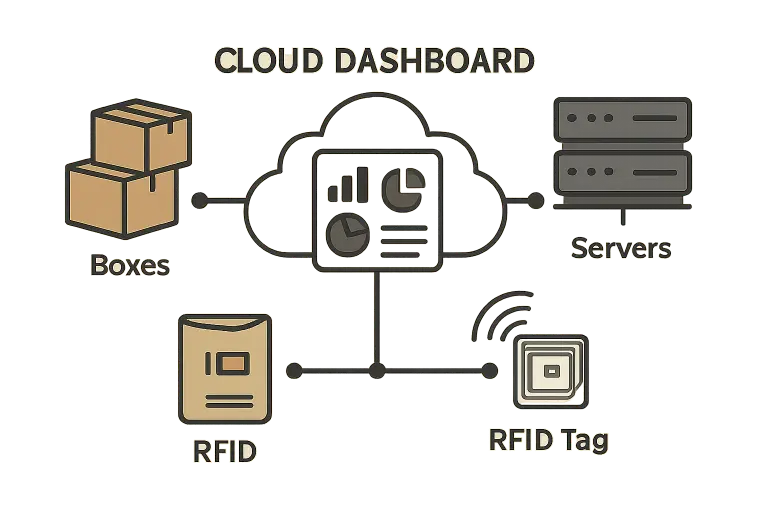
Table of Contents
The Evolution of Inventory Management
The journey of inventory management spans decades, evolving hand in hand with technology. Early systems relied on handwritten logs, physical stock counts, and frequent human intervention, an approach that was both inefficient and prone to errors. The first wave of automation arrived with rudimentary barcode scanning and desktop software, enabling organizations to track items more systematically, but still requiring significant manual oversight.
It wasn’t until cloud computing, mobile devices, and advanced analytics entered the scene that inventory management truly underwent a revolution. By linking on-premises assets to centralized platforms, businesses gained the ability to oversee large, dispersed inventories and respond swiftly to emerging needs. The modern era is marked by seamless interaction among physical devices, digital dashboards, and predictive analytics, which together empower proactive, efficient inventory control.
Key Technologies Transforming Inventory Management
Innovation in network inventory management is fueled by three core technologies, each making profound impacts:
- Artificial Intelligence (AI): Predictive analytics and machine learning algorithms mine deep data to forecast demand, suggest optimal reorder points, and automate routine decision-making. Processes that once required hours now run in real time, adjusting dynamically to new trends. Learn more about inventory solutions that can optimize these processes.
- Internet of Things (IoT): Connected sensors and smart RFID tags enable real-time location tracking, environmental monitoring, and asset usage analytics. This eliminates blind spots and speeds up audits.
- Cloud Computing: Centralized cloud platforms make inventory management accessible from anywhere. Teams can collaborate across geographies, ensuring data is always synchronized and actionable without infrastructure headaches.
Together, these technologies offer comprehensive process insight, benefiting IT departments and executives alike. For more on how such digital transformation reshapes the business landscape, the CIO article on inventory management provides further details.
Benefits of Modern Inventory Management Systems
Deploying cutting-edge inventory systems pays immediate and lasting dividends:
- Enhanced Accuracy: Automation and real-time updates minimize human error and data discrepancies, supporting high-confidence strategy planning.
- Cost Reduction: Intelligent inventory management reduces holding costs, waste, and redundancy, freeing up capital for growth initiatives.
- Improved Customer Satisfaction: Accurate stock records help ensure product availability, prevent late shipments, and minimize customer frustration. A digital inventory app can further streamline these operations.
- Data-Driven Decision Making: Rich analytics dashboards support better forecasting, procurement planning, and inventory allocation.
Real-World Examples of Successful Implementation
Organizations across diverse industries demonstrate the transformative power of modern inventory management:
- Retail Giants: Major retailers like Walmart have harnessed centralized inventory platforms to tightly synchronize supply and demand. Accurate, real-time stock visibility has led to fewer lost sales and lower spoilage, cementing their competitive advantage.
- Manufacturing Firms: Manufacturers working across multiple facilities have adopted advanced digital tools to gain real-time insights. This has enabled lean inventory practices, minimized downtime, and optimized procurement cycles.
Challenges and Considerations
Despite the value, adopting new inventory systems brings its own set of challenges:
- Integration Issues: Migrating legacy systems and processes into new frameworks can be complex and resource-intensive.
- Cost of Implementation: Upfront investments in technology, infrastructure, and training can require careful budget planning.
- Data Security: As inventory data moves online, protecting against data breaches and cyber threats is paramount to maintaining trust.
Best Practices for Implementing Modern Inventory Systems
To successfully transition to a modern network inventory management environment, businesses should embrace the following best practices:
- Conduct a Thorough Needs Assessment: Clarify operational goals and specific requirements to select the best-fit technology solution. Guidance on software selection can simplify this decision-making process.
- Invest in Training: Prepare employees to maximize software capabilities through targeted training and ongoing support.
- Monitor and Evaluate: Establish KPIs and conduct regular reviews to ensure continued alignment of system performance with business objectives.
Conclusion
Efficient network inventory management is a critical differentiator in today’s competitive landscape. By embracing intelligent software, IoT integration, and cloud-powered platforms, businesses can transform inefficiency into opportunity, enhance customer experiences, and achieve sustainable cost control. The future of inventory management lies in staying ahead of technological advances and continually seeking ways to optimize operations for resilience, agility, and growth.