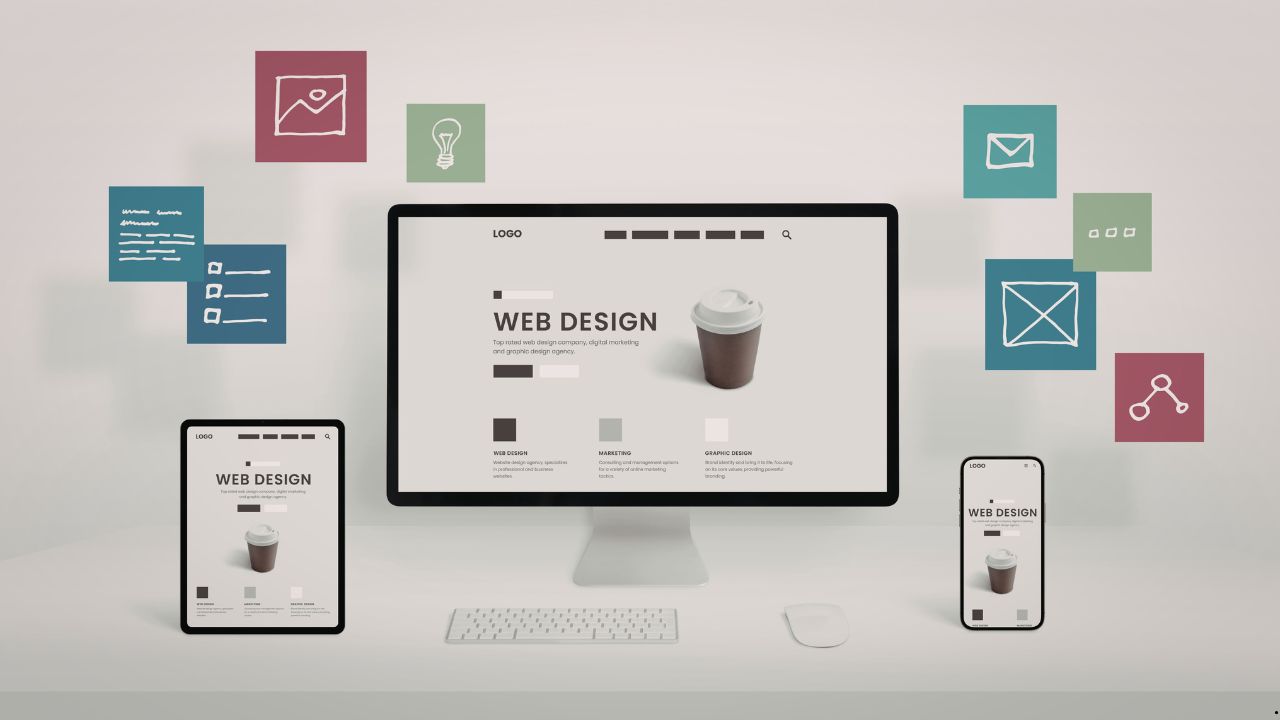
Keeping up with evolving web design trends is essential for businesses seeking a dynamic, compelling digital presence. Embracing design innovation can drive deeper user engagement, enhance site functionality, and strengthen overall brand perception. Companies investing in web design Lancaster, PA, are discovering that a user-centered, forward-thinking approach is crucial to remaining relevant and attractive to both new and loyal visitors.
Modern design strategies prioritize not only aesthetics but also usability and sustainability. These trends go beyond surface visuals, creating websites that are immersive, intuitive, and optimized for today’s diverse user base. By incorporating Intelligentced technology and eco-friendly practices, businesses can ensure their digital platforms appeal to visitors’ values as much as their visual sensibilities.
As users come to expect seamless interactions and personalized experiences, more straightforward designers turn to cutting-edge solutions to deliver websites that go beyond the ordinary. Whether employing artificial intelligence, captivating visuals, or sustainability-focused strategies, these trends lay the groundwork for memorable digital encounters.
Decision makers, marketers, and creative professionals seeking to evolve their sites must understand how these trends translate from concept to effective digital assets. In this article, explore practical ways top companies bring these ideas to life.
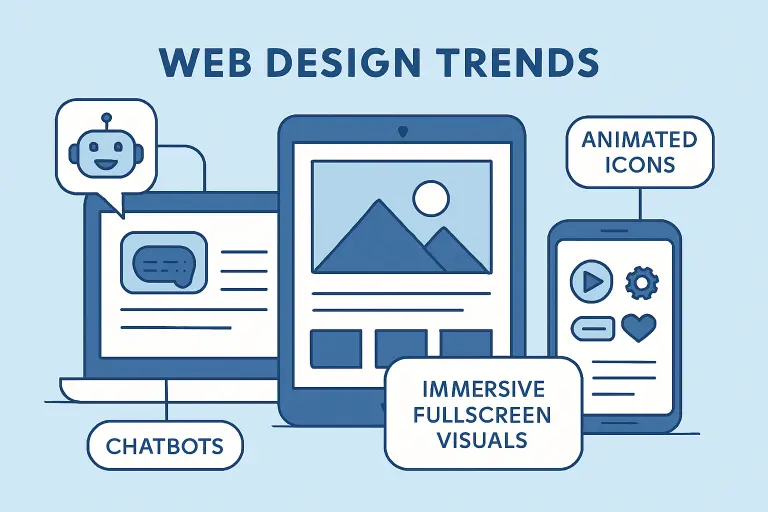
Table of Contents
AI-Powered Dynamic Interfaces
Artificial Intelligence is transforming the way websites respond to users. Smart algorithms analyze interactions, locations, and preferences, enabling web pages to dynamically adjust content, menus, and layouts in real time. For example, AI can personalize product suggestions while improving mobile responsiveness, ensuring layouts adjust smoothly across smartphones, tablets, and desktops. Tools like chatbots and virtual assistants enhance both support and engagement, responding intelligently to users on-site and making each session more personal and efficient. As detailed in Forbes Tech Council’s insights, these dynamic capabilities are rapidly becoming standard practice among forward-thinking brands.
Immersive Full-Screen Experiences
Websites are increasingly adopting bold, immersive layouts filled with high-impact imagery or videos. By using full-screen storytelling, brands create a memorable first impression, capturing users’ attention from the moment they land on a page. Features like 3D visuals and parallax scrolling help build a richer sense of presence; for instance, a travel site could whisk users away to a destination through sweeping, interactive video backgrounds. These techniques engage users on a sensory level and reinforce brand narratives in ways that static galleries cannot match.
Advanced Interactivity
Modern users expect seamless, tactile experiences online. By implementing advanced interactivity such as swipe gestures, animated navigation menus, and drag-and-drop modules, designers offer visitors intuitive control over how they explore content. Interactive product configurators, live data previews, and practical tools like HTML viewers allow users to explore content structure and functionality in real time, making the experience more hands-on and meaningful. These features also allow brands to highlight key benefits or guide user behavior in real time, sharply reducing bounce rates and increasing time on site. For deeper context on shaping such interactions, read this guide from Smashing Magazine.
Sustainable Web Design
Consumers and search engines alike are prioritizing sustainability in digital spaces. Streamlined code, compressed images, and carbon-neutral hosting are all hallmarks of eco-friendly sites. Not only do these efforts shrink a site’s environmental footprint, but they also often lead to faster load times and smoother navigation, both of which are key ranking factors for search results. As these green practices become more common, visible sustainability badges and transparency about offset initiatives can become additional trust signals for conscientious visitors.
Expressive Typography
Typography is evolving from a functional necessity to a core element of brand expression. Oversized headlines, distinctive typefaces, and creative letter arrangements let brands convey personality at a glance. Variable and animated fonts enable designers to create striking effects that remain accessible and responsive on all screens. When combined with carefully chosen color palettes and white space, innovative typography supports both brand recognition and readability, ensuring messages resonate instantly and linger in the visitor’s memory.
Augmented Reality Integration
Augmented Reality offers an interactive leap forward, especially for e-commerce, tourism, and education sectors. By embedding AR elements directly into websites, users can visualize products in their own environments or explore detailed 3D models. This technology bridges the gap between the physical and the digital, enabling highly interactive, shareable experiences. For example, an online furniture store might let customers view an armchair in their living room through their smartphone, increasing confidence before the purchase.
Micro-Animations
Small, purposeful animations enrich modern web experiences by guiding user interactions and clarifying navigation. Animation in buttons, links, and forms provides feedback for each click or keystroke, helping users feel connected to the site’s inner workings. Micro-animations signal state changes, gently direct attention, and keep the interface feeling lively without distracting from core messaging. When applied thoughtfully, micro-animations align closely with modern motion design trends, helping brands communicate personality while keeping users visually engaged without overwhelming the interface.
Conclusion
By integrating AI-driven customization, immersive visuals, advanced interactivity, environmental consciousness, distinctive type, and innovative AR features, today’s websites are as functional as they are unforgettable. Embracing modern web design trends positions businesses to better connect with audiences, foster lasting engagement, and stand out in a competitive digital ecosystem.