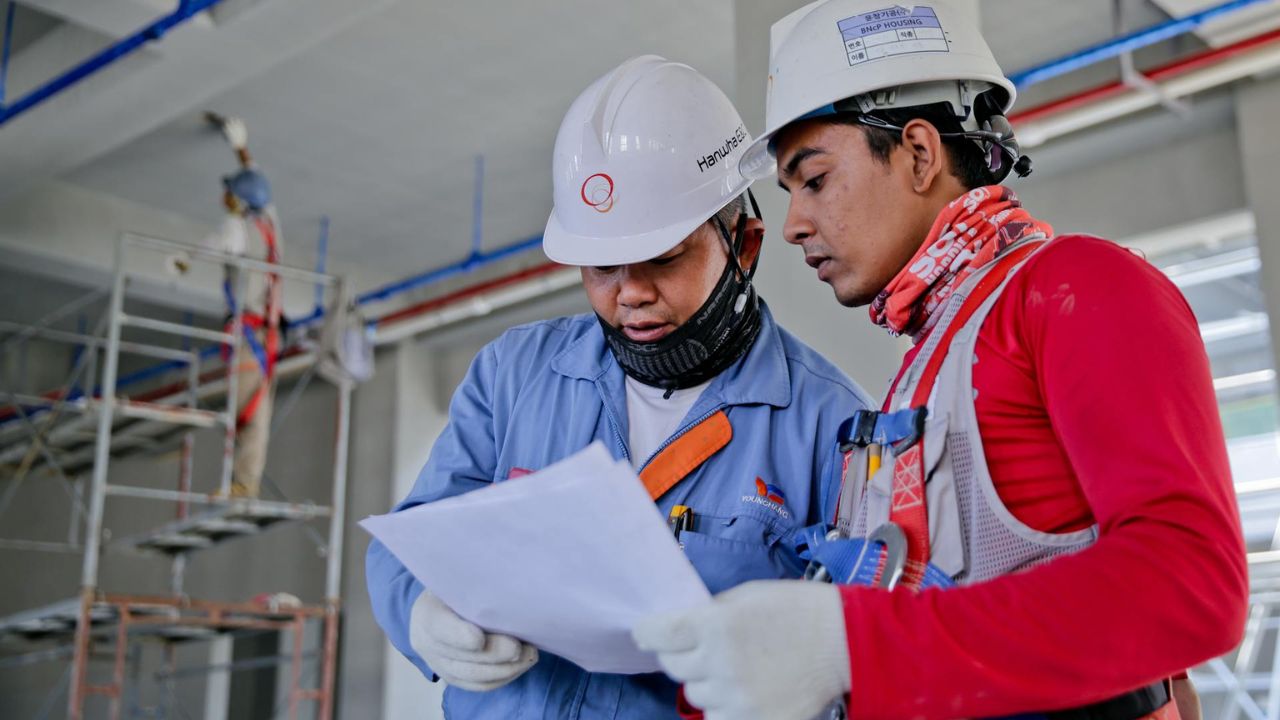
Every industry talks about automation and AI tools now. Warehouses are using smarter tracking systems, construction firms rely on digital reporting apps, and AI tools are slowly finding their way into daily operations. Looking at company websites and marketing campaigns, workplaces look far more advanced than they did even five years ago. On-site reality, however, is typically less polished and the same as advertised.
Machines still fail. The weather changes suddenly. Deadlines create pressure. People rush jobs they should slow down for. And when something goes wrong in a high-risk environment, software cannot step in and make decisions for somebody. That part still comes down to people.
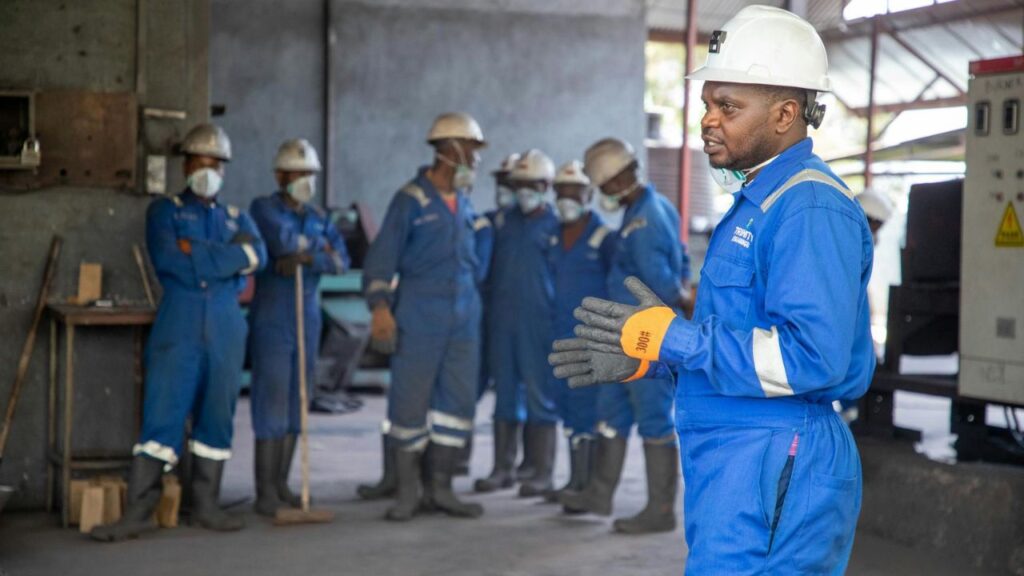
This is exactly why practical safety training still matters, even in workplaces packed with technology.
Software Helps. Experience Prevents Mistakes
The majority of businesses now manage safety records and compliance better. Inspections are digitally recorded, certifications can be followed and tracked online, and supervisors can keep an eye on activity at several locations without constantly being actually there. That is useful. No question.
But safer systems do not automatically create safer behaviour. A worker operating equipment at height still needs awareness and judgment in real time. Someone handling machinery still needs to know what to do when conditions suddenly change or equipment starts behaving differently than expected. Those situations are rarely predictable.
According to the UK’s Health and Safety Executive, workplace injuries are still a major issue across construction and industrial sectors. The technology has improved. The risks have not disappeared with it. That gap is where hands-on training still proves its value.
There is also a noticeable difference between somebody who has only watched safety procedures on a screen and somebody who has actually worked through them in a practical environment. One understands the process. The other understands the pressure that comes with it. That matters more than businesses sometimes realise.
Compliance Is No Longer Just Paperwork
A few years ago, some companies treated workplace training like a box-ticking exercise. Complete the certification, file the paperwork, and move on. That approach is fading pretty quickly.
Clients are asking more questions before awarding contracts. Insurance providers are paying closer attention to safety records. Even internal hiring standards are changing because businesses know one serious incident can create financial and legal problems that last for years. As a result, companies want training systems that are easier to manage properly.
Digital booking platforms, online certification tracking, refresher reminders, and blended learning formats are becoming more common across the industry. Businesses want practical instruction, but they also want less administrative chaos around it.
IPAF Training providers such as North East Access Training have adapted to that shift by combining practical workplace instruction with more modern compliance support and accessible course management. For employers managing multiple workers or sites, this makes day-to-day operations much easier.
Younger Workers Learn Differently
Another thing changing quietly in many industries is the workforce itself. Newer employees are used to learning through interactive systems, short-form digital content, and mobile platforms. Sitting through outdated presentations for hours usually does not hold attention the way it once did. Because of that, training methods are changing too.
More providers are using blended learning, simulations, mobile-access resources, and flexible course structures. Some companies are even experimenting with VR-based safety demonstrations for higher-risk environments. Still, practical learning carries the most weight in the end.
A training video cannot recreate the distractions, noise, pressure, or unpredictability of a live worksite. Real-world environments force people to think differently. That experience builds confidence in a way online modules simply cannot.
The World Economic Forum recently highlighted that practical technical skills remain critical across industrial sectors despite the rapid growth of automation and AI technologies. That is unlikely to change anytime soon.
Training Now Affects Business Reputation Too
Safety training is no longer sitting quietly in the background of business operations. In many industries, it affects reputation directly.
Companies with weak safety systems often struggle with inaccurate workplace records, which can damage trust with clients, contractors, and even employees. Businesses that stay organised and maintain clear operational standards are usually viewed as more reliable overall.
Technology will continue changing how industries operate over the next decade. That part is obvious. But practical safety training is not disappearing because technology still cannot replace human awareness, decision-making, or experience when real situations unfold unexpectedly. And realistically, that is the part that keeps workplaces safe.