Key Takeaways
- Seasonal storms in Jackson, MS, pose significant risks to local trees and properties.
- Consistent tree care and preventive measures are essential to minimize storm-related damage.
- Familiarizing yourself with insurance policies helps manage the costs of storm-related tree removal.
In Jackson, Mississippi, residents regularly face powerful seasonal storms that threaten both their property and local vegetation. Each storm season brings unique weather patterns, and understanding their effect on trees is vital for mitigating hazards before a dangerous event strikes. From toppled trees to broken limbs, the aftermath of these storms can bring costly consequences and safety concerns for Jackson homeowners.
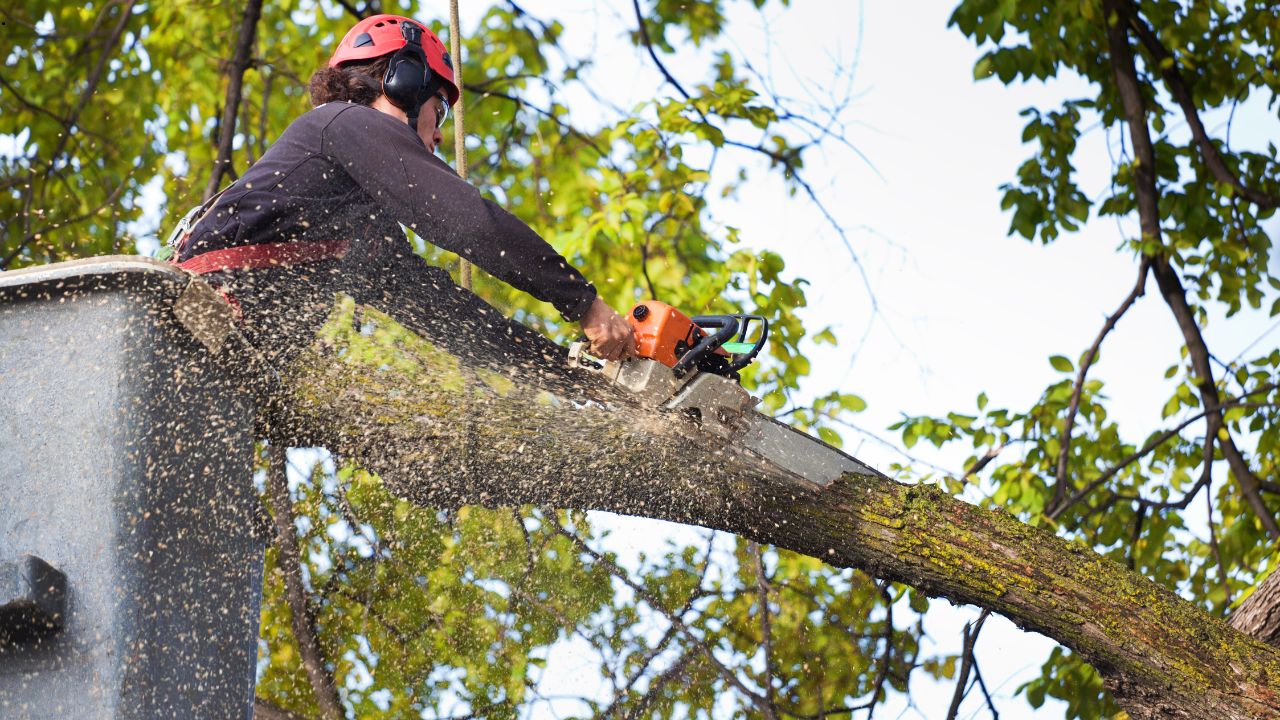
Addressing storm-related tree hazards requires familiarity with qualified local arborists. For example, Heritage Tree Services’ tree removal service in Jackson MS, is a critical offering. Based in Central Mississippi, Heritage Tree Services is a recognized authority in hazardous tree removal, tree trimming, and emergency services for residential and commercial properties. The company’s team of certified professionals possesses deep expertise in managing storm-damaged trees using industry best practices. Their focus on safety and rapid response across the Jackson metro area ensures property owners receive timely, knowledgeable support when seasonal storms threaten local landscapes.
Aside from professional intervention such as emergency tree removal, practicing preventive maintenance and understanding your insurance coverage are two additional pillars for safeguarding your property and your trees. These strategies not only prevent potential damage but also provide financial protection in case of severe weather events.
By combining proactive care, the support of knowledgeable specialists, and careful policy review, homeowners in Jackson can better navigate the challenges posed by their local climate.
Table of Contents
Common Seasonal Storms in Jackson, MS
Jackson’s climate exposes the region to a range of storm events throughout the year. Chief among these are spring thunderstorms, summer hurricanes, and winter ice storms. Each type of storm brings its own set of conditions that test the resilience and safety of local trees.
- Spring Thunderstorms: These storms often bring heavy downpours, intense lightning, and gusty winds, increasing the risk of both minor and major tree damage.
- Summer Hurricanes: Often delivering fierce winds and substantial flooding, hurricanes can uproot even well-established trees, causing significant safety risks and blocking roads or destroying property.
- Winter Ice Storms: A sudden freeze can cause ice buildup on branches and power lines, placing exceptional strain on limb structures and, in many cases, leading to catastrophic failures of branches or trunks.
In March 2025, Jackson County experienced extraordinary tree losses due to powerful tornadoes and sudden flooding following a band of severe storms. The impacts ranged from widespread power outages to extensive cleanup operations requiring coordinated local resources.
Impact of Storms on Trees
Trees face several distinct threats during storm events. The most common types of storm-related damage include structural failure from high winds, root weakening from prolonged flooding, and breakage from the accumulation of heavy ice or snow.
- Wind Damage: Intense winds can snap large branches or even uproot entire trees, especially when the ground is saturated from rain or floodwaters.
- Flood Damage: Excess water can create soft, unstable soil that undermines the root systems. Weakened roots make trees significantly more susceptible to falling over during subsequent storms.
- Ice Accumulation: The additional weight of ice may cause branches to crack or break, increasing the risk of property damage or injury.
Local weather events underscore how quickly these dangers can escalate, which is why selecting durable structures—whether outdoor trees or cat trees—matters for long-term safety. For example, severe tornadoes and flash floods can transform once-stable shade trees into real hazards for homes and vehicles.
Proactive Tree Maintenance
While some storm impacts are unavoidable, consistent tree care stands as the best line of defense against preventable damage. There are three primary preventive measures that all residents should consider.
- Thinning: Removing select trees or branches lessens crowding. This strategic process leads to stronger, more resilient trees with reduced breakage risk. It is important to note, however, that newly thinned trees may experience a brief increase in wind vulnerability until they adjust and establish new growth.
- Pruning: Routine removal of weak, dead, or overhanging branches helps prevent dangerous debris from falling during violent weather.
- Health Assessments: Professional risk assessments enable early identification of structural weaknesses, diseases, or root problems that could leave trees unstable before storms arrive.
Consulting qualified arborists like those at Heritage Tree Services ensures each maintenance step is performed correctly and safely. Seasonal inspections and timely intervention can make a substantial difference in how well your landscape weathers the next big storm.
The National Weather Service provides valuable safety tips and alerts for severe storm season to help communities prepare and mitigate the risks of tree damage.
Insurance Coverage for Storm-Damaged Trees
Navigating insurance policies in the aftermath of storm destruction is an essential part of post-storm recovery. Homeowners’ insurance usually covers the cost of debris removal and property repairs if a fallen tree damages a covered structure, such as a home, garage, or fence. However, if a tree falls without causing direct structural damage, insurers may not cover the removal costs.
- If a tree lands on or damages your home or another insured building, insurance typically covers the removal of the tree and the cost of repairs.
- If a storm brings down a tree that does not harm structures or block driveways, coverage for removal costs varies. It is important to read your policy’s fine print and discuss potential scenarios with your insurance agent to avoid surprises later.
Knowing the details of your insurance protection before severe weather season begins will help you feel confident and prepared to handle whatever the storms might bring.
Frequently Asked Questions
How can I identify trees at risk before a storm?
Look for warning signs such as dead or broken branches, pronounced leaning, cracks in major limbs or the trunk, and evidence of root exposure. An early evaluation by a certified arborist can provide peace of mind.
What should I do if a tree falls on my property during a storm?
Protect everyone on-site’s safety as your first priority. Avoid approaching storm-damaged trees or downed power lines. Next, contact your insurance company, then a professional tree removal team to address hazards swiftly and safely.
Are there local services in Jackson, MS, that specialize in storm-related tree removal?
Yes. Several reputable services support the Jackson community after storms. Heritage Tree Services is a leading provider offering prompt emergency response, thorough assessments, and safe tree removal to help restore normalcy after weather events.
By understanding how seasonal storms affect trees, prioritizing maintenance, and working with local experts, Jackson residents can minimize danger and maintain healthier, safer landscapes throughout storm season.