
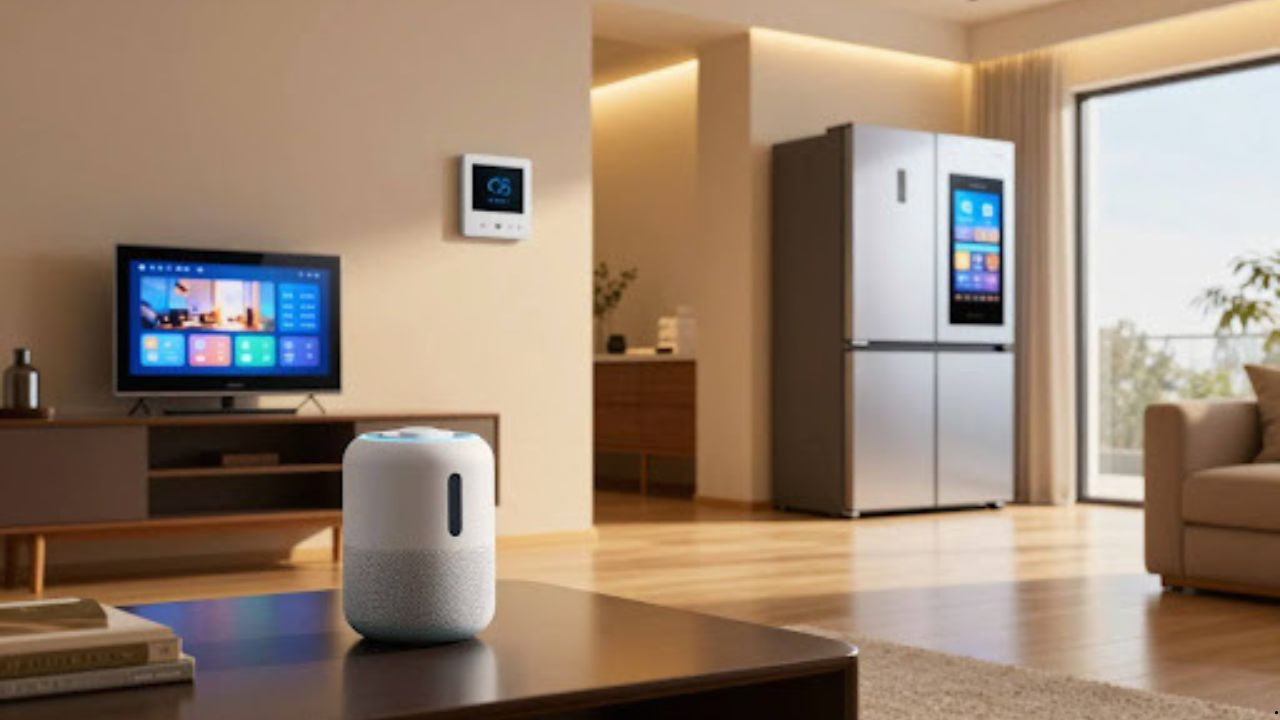
Imagine a world where your living space adjusts to your needs, making life more comfortable and convenient. This is becoming a reality with the advent of smart home devices, transforming our homes into efficient, secure, and comfortable havens.
IoT (Internet of Things) technology is at the heart of this revolution, connecting devices and enabling them to communicate with each other seamlessly. From thermostats that learn your temperature preferences to security cameras that monitor your home remotely, these devices are making a significant impact on our daily routines and energy consumption.
Key Takeaways
- Smart home devices are becoming increasingly popular, making homes more efficient and secure.
- IoT technology connects devices, enabling seamless communication and automation and secure with https://vpnly.com/download-free-vpn/
- These devices have a significant impact on daily routines and energy consumption.
- The future of smart home technology looks promising, with advancements in AI and machine learning.
- Smart home devices are making life more convenient and comfortable.
The Current State of Smart Home Technology
The smart home technology sector is experiencing rapid growth, driven by increasing consumer demand for innovative and convenient home automation solutions. This growth is reflected in the rising sales of smart home devices, which are becoming increasingly popular due to their ability to enhance home security, energy efficiency, and overall convenience.
Recent Market Growth and Consumer Adoption Rates
The smart home market has seen significant growth in recent years, with a substantial increase in consumer adoption rates. According to recent statistics, the global smart home market is expected to continue its upward trend, driven by advancements in technology and decreasing device costs.
| Year | Market Size (USD Billion) | Growth Rate (%) |
| 2020 | 76.7 | 11.4 |
| 2021 | 86.2 | 12.3 |
| 2022 | 97.4 | 13.1 |
| 2023 | 110.4 | 13.4 |
Major Players and New Entrants in 2023
The smart home technology market is dominated by major players such as Amazon, Google, and Apple, who continue to innovate and expand their product offerings. New entrants are also emerging, bringing innovative solutions and products to the market, further driving growth and competition.
The presence of both established companies and new entrants is expected to continue shaping the smart home technology landscape, with a focus on enhancing user experience, improving device interoperability, and expanding the range of available smart home solutions.
The Rise of Smart Home Devices: How Technology is Revolutionizing Daily Life
With smart home devices, our homes are becoming more efficient and comfortable. The latest advancements in technology are transforming daily life, making it easier to manage our living spaces.
Latest Innovations in Energy Management and Sustainability
One of the significant areas of innovation is energy management. Smart thermostats, such as those from Nest and Ecobee, are helping homeowners reduce their energy consumption by learning their schedules and preferences. This not only saves money on utility bills but also contributes to a more sustainable environment.
- Smart thermostats learn your schedule to optimize heating and cooling.
- Energy monitoring systems track your energy usage in real-time.
- Sustainable energy solutions, like solar panels, are being integrated with smart home systems.
Advanced Security Features and AI Integration
Advanced security features are another critical aspect of smart home technology. AI-powered surveillance cameras and door locks are enhancing home security, providing homeowners with peace of mind. These devices can be controlled remotely and often include features like facial recognition and motion detection.
The integration of AI in security systems allows for more sophisticated threat detection and response, making homes safer.
Voice Control and Smartphone Integration Developments
Voice control and smartphone integration are becoming increasingly popular, allowing users to control their smart devices remotely and effortlessly. For more insights into how these devices interact with voice commands, check out our guide on creating content for voice search. Voice assistants like Amazon Alexa and Google Assistant enable users to control multiple devices with simple voice commands, making it easier to manage their smart homes.
Smartphone apps provide an additional layer of control, allowing users to monitor and adjust their devices from anywhere. Users can also optimize your devices for voice control to ensure smooth and responsive integration with their smart home ecosystem.
Emerging Trends and Future Directions
The smart home industry is on the cusp of a revolution with emerging trends that promise to redefine our living spaces. As we look to the future, it’s clear that smart home technology will continue to evolve, driven by innovations in areas such as cross-platform compatibility and health monitoring.
Matter Standard and Cross-Platform Compatibility
The introduction of the Matter standard is set to revolutionize the smart home landscape by enabling seamless communication between devices from different manufacturers. This development will enhance interoperability, allowing users to mix and match devices without worrying about compatibility issues.
Some key benefits of the Matter standard include:
- Increased flexibility in device selection
- Improved functionality across different ecosystems
- Enhanced user experience through streamlined integration
Health Monitoring and Wellness Applications
Smart home devices are increasingly being used for health monitoring and wellness applications, enabling users to track vital signs, monitor sleep patterns, and promote healthy living. These devices are becoming an integral part of our daily lives, providing valuable insights into our physical and mental well-being.
The benefits of health monitoring in smart homes include:
- Early detection of health issues
- Personalized recommendations for improvement
- Enhanced overall wellness through data-driven insights
As smart home technology continues to advance, we can expect to see even more innovative applications in the realm of health monitoring and wellness.
Conclusion
The rise of smart home devices is transforming the way we live, work, and interact with our homes. With advancements in smart technology, daily life is becoming more convenient, efficient, and secure.
From energy management and home security to health monitoring and wellness applications, smart home technology is revolutionizing our daily routines. As the industry continues to evolve, we can expect even more innovative solutions to emerge, further enhancing our living spaces.
The integration of smart technology into our homes is not just a trend; it’s a significant step towards a more sustainable and connected future. As we move forward, it’s clear that smart home devices will play a vital role in shaping the future of our homes and daily lives.
FAQ
What are smart home devices?
Smart home devices are products that can be controlled and monitored remotely using a smartphone or voice assistant, making homes more efficient, secure, and comfortable.
How do smart thermostats help with energy management?
Smart thermostats help homeowners reduce their energy consumption by learning their temperature preferences and adjusting the temperature accordingly, resulting in lower utility bills.
What is the Matter standard, and how will it impact smart home technology?
The Matter standard is a new protocol that enables cross-platform compatibility, making it easier for devices from different manufacturers to work seamlessly together, simplifying the smart home experience.
Can smart home devices be used for health monitoring and wellness applications?
Yes, smart devices can be used to track vital signs, monitor sleep patterns, and promote healthy living, making them an integral part of health and wellness routines.
How do voice assistants like Amazon Alexa and Google Assistant integrate with smart home devices?
Voice assistants can control and interact with various smart home devices, allowing users to command their smart devices remotely and effortlessly using voice commands.
Are smart home devices secure?
Smart home devices can be secure if users follow best practices, such as using strong passwords, keeping software up-to-date, and using devices from reputable manufacturers that prioritize security.