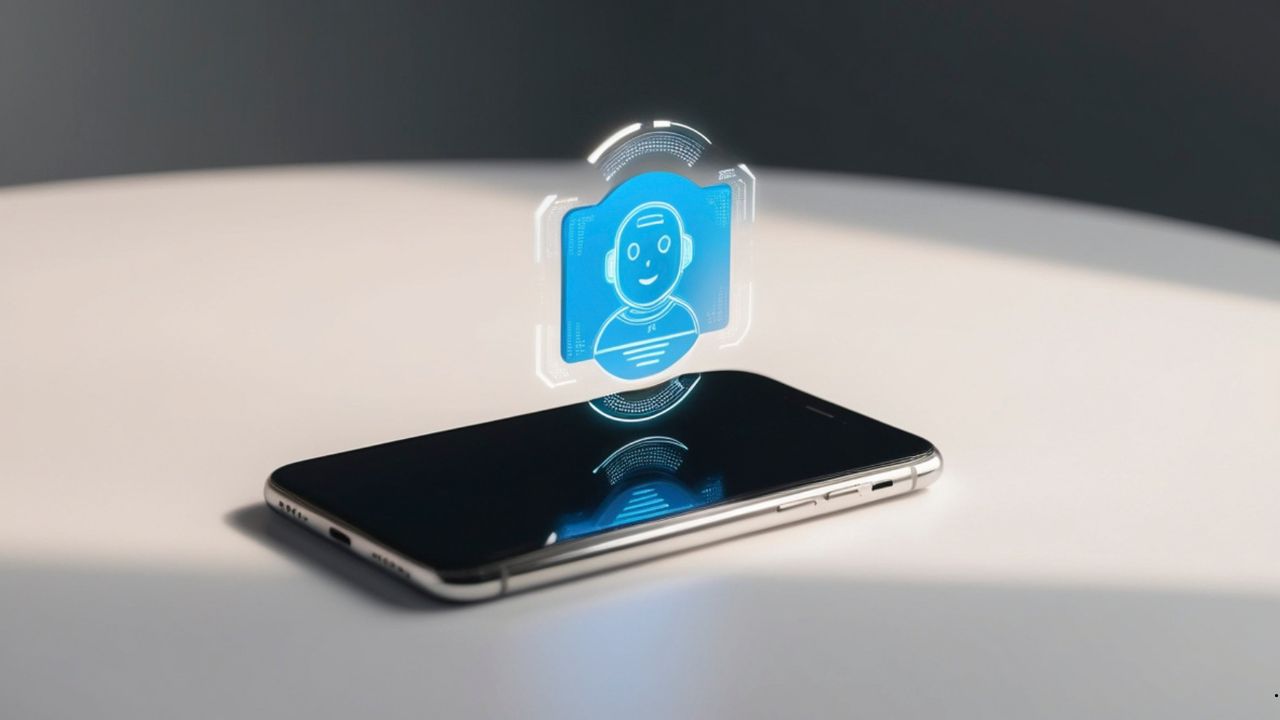
For decades, typing has been the primary way we interact with computers. But artificial intelligence is rapidly changing that. Modern speech recognition technology, powered by advanced machine learning models, now delivers accuracy levels that rival human transcription — and it’s transforming how Mac users work every day.
Why Voice-to-Text Is Having Its Moment
The shift toward AI-driven dictation didn’t happen overnight. Early voice recognition software was clunky, error-prone, and required extensive “training” to understand individual users. Today’s solutions leverage deep neural networks trained on massive datasets, delivering near-instant transcription with remarkable accuracy across accents and speaking styles. Learn more about creating content for voice search.
Apple’s built-in Dictation feature has improved significantly over the years, but many professionals are turning to dedicated third-party apps that offer more control, better accuracy, and critically — stronger privacy protections.
Privacy: The Elephant in the Room
Most popular speech recognition services process your audio in the cloud. That means your spoken words — including sensitive business communications, personal thoughts, and confidential data — travel to remote servers for processing. For privacy-conscious users, this is a non-starter.
This is where offline speech recognition shines. Tools like EmberType run entirely on your Mac using OpenAI’s Whisper AI model locally. Your voice never leaves your device. For professionals handling sensitive information — lawyers, doctors, writers, and business executives — this offline-first approach is not just preferred, it’s essential.
How Modern Dictation Boosts Productivity
The average person types around 40 words per minute. Most people speak at 130-150 words per minute. That’s roughly a 3x productivity gain just by switching from keyboard to voice. You can also explore automating voice analytics to track efficiency. But speed isn’t the only benefit:
- Reduced physical strain: Writers, developers, and anyone who spends hours typing can experience repetitive strain injuries. Dictation gives your hands a break while keeping you productive.
- Natural flow of ideas: Speaking allows thoughts to flow more naturally than typing. Many writers report that dictated first drafts feel more conversational and authentic.
- Multitasking capability: With a good dictation app, you can compose emails while organizing your desk, or draft documents while pacing around your office.
What to Look for in a Mac Dictation App
If you’re considering adding voice-to-text to your Mac workflow, here are the key factors to evaluate:
- Accuracy: Look for apps built on proven models like OpenAI’s Whisper, which consistently ranks among the best for speech recognition accuracy.
- Privacy: Determine whether the app processes audio locally or sends it to the cloud. Offline processing ensures your data stays private.
- Integration: The best dictation tools work system-wide, letting you dictate directly into any app — email, documents, chat, code editors, and more.
- Cost model: Some apps charge monthly subscriptions that can add up quickly. Others offer one-time purchases that deliver better long-term value.
The Future Is Voice-First
As AI models continue to improve, the gap between typed and spoken input will only narrow further. We’re approaching a future where voice becomes the default input method for many tasks, with typing reserved for precision work. For Mac users looking to stay ahead of this curve, now is the perfect time to explore AI-powered dictation tools and optimize for voice search to fully leverage voice-first workflows.