If you work in food processing, manufacturing, or any heavy-duty industrial setting, you already know that your conveyor system is the heart of your operation. When it works well, everything flows. When it breaks down, everything stops. That is why choosing the right metal conveyor belt — and the right partner — matters more than most people realize.
Companies like Wire Belt Company have built their entire reputation around solving this exact problem. They design, manufacture, and install specialized conveyor belts for food processing and industrial applications. More importantly, they help businesses improve efficiency and reduce downtime through custom solutions, technical support, belt surveys, training, and maintenance tools. Their focus is simple: extend the life of your equipment and keep your operation running at its best.
What Is a Metal Conveyor Belt System?
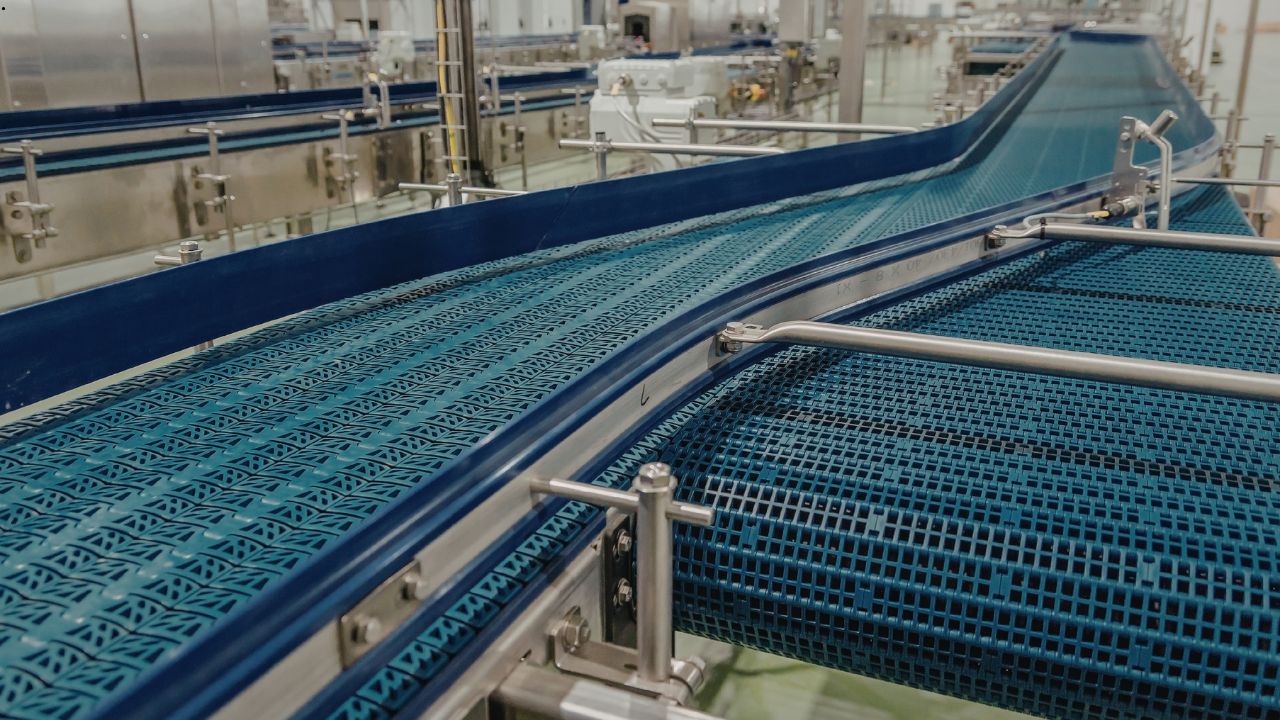
A metal conveyor belt is exactly what it sounds like. It is a continuous loop of interlocked metal links or woven wire that moves products from one point to another. Unlike rubber or plastic belts, metal versions handle extreme temperatures, heavy loads, and harsh cleaning environments without breaking down.
These systems are used in many industries. Food processing plants use them to move baked goods through ovens. Automotive facilities use them to carry heavy parts through assembly lines. Pharmaceutical companies use them to transport packaged goods through sterile environments. The variety is wide, but the need is the same: a reliable, durable system that performs consistently.
Why Businesses Choose Stainless Steel Wire Mesh Conveyor Belts
There are several types of metal belts available. However, the stainless steel wire mesh conveyor belt stands out for a few clear reasons.
- Heat and chemical resistance — Stainless steel holds up well in ovens, freezers, and washdown environments.
- Easy to clean — The open mesh design allows water, steam, and cleaning agents to pass through freely.
- Long service life — With proper maintenance, these belts last significantly longer than their plastic or rubber alternatives.
- Hygiene compliance — Food-grade stainless steel meets strict safety standards for direct food contact.
Because of these advantages, the stainless steel wire mesh conveyor belt has become a go-to choice in food production facilities across the globe. It reduces contamination risk and holds up under repeated high-pressure cleaning cycles. That is a big deal when you are running production around the clock.
The Real Cost of Poor Material Handling
Many businesses do not think about their conveyor systems until something goes wrong. By then, the cost is already high. Unplanned downtime can shut down an entire production line. Emergency repairs are expensive, especially when failures involve bonding or sealing issues where using the right industrial adhesives can prevent costly damage. Replacing a belt too early only adds more unnecessary expense.
So, what causes early belt failure? Several things can contribute:
- Wrong belt type selected for the application
- Improper installation or misalignment
- Lack of regular inspection and preventive maintenance
- Using cleaning chemicals that damage the belt material
Therefore, getting expert guidance from the start is not just helpful — it is essential. Working with a specialist who understands your specific production environment can save thousands of dollars over time.
How Custom Solutions Change the Game
Not every conveyor application is the same. In fact, most industrial facilities have at least one unique challenge that an off-the-shelf product cannot solve well. That is where custom belt design comes in.
Custom solutions allow engineers to build belts with the exact mesh opening size, wire diameter, belt width, and edge treatment your operation needs. For example, a bakery moving delicate pastries needs a different belt than a facility washing heavy metal parts. The belt tension, drive sprocket design, and support structure all need to match the specific load and environment.
Furthermore, custom solutions often pay for themselves quickly. A belt that fits your application perfectly will run longer, need fewer repairs, and handle your product more gently. That translates directly into better output and lower operating costs.
The Value of Belt Surveys and Technical Support
Even the best belt will eventually show wear. The key is catching problems early before they turn into failures. This is why belt surveys are so valuable.
A professional belt survey involves a trained technician examining your entire conveyor system. They look at wear patterns, belt tension, tracking issues, and drive components. Then they give you a clear picture of what needs attention now and what can wait. As a result, you can plan repairs during scheduled downtime instead of scrambling after an unexpected breakdown.
Technical support also plays a major role in keeping your system healthy. When something looks unusual or a belt starts behaving differently, having direct access to engineers who understand the product deeply is invaluable. Good technical support reduces guesswork and helps your team make confident decisions.
Training and Maintenance Tools That Make a Difference
One often-overlooked part of conveyor system performance is the people who work with it every day. Operators and maintenance staff who understand their equipment catch problems faster and handle the system more carefully. That is why training matters.
Hands-on training teaches your team how to inspect the belt, identify early warning signs, and perform basic maintenance correctly. It also helps them understand how cleaning procedures affect belt life. Small habits — like using the right tension settings or avoiding high-impact loading — add up to significantly longer belt service life.
Additionally, modern maintenance tools make it easier than ever to track belt condition over time. Inspection checklists, wear measurement tools, and documentation systems help teams stay consistent. Moreover, they make it easier to justify maintenance spending and plan replacement schedules in advance.
Choosing the Right Partner for Your Conveyor Needs
Selecting a metal conveyor belt is not just a purchasing decision. It is a long-term operational choice. The right supplier will not only deliver a quality product but will also stand behind it with ongoing support, surveys, and expertise.
When evaluating suppliers, look for companies with deep industry experience, a track record in your specific application area, and a genuine commitment to customer success. A supplier who asks detailed questions about your process before recommending a product is almost always a better choice than one who just ships what you order.
Ultimately, industries that invest in quality stainless steel wire mesh conveyor belt systems — and maintain them properly — run more efficiently, waste less, and experience fewer costly interruptions. That is the kind of outcome every production manager is working toward.