Gaming has not been easy lately. Hardware prices have gone way up. RAM is expensive. Storage costs more than it used to. So, if you have been waiting for new gear from Valve, you already know the pain. The wait has felt very long. But the good news is finally here. Valve has confirmed that the Steam Machine, along with its new VR hardware, will arrive sometime this summer. That is something worth being excited about.
This is a big moment for PC gamers. Let me break it all down for you in plain, simple terms.
Table of Contents
What Is the Valve Steam Machine?
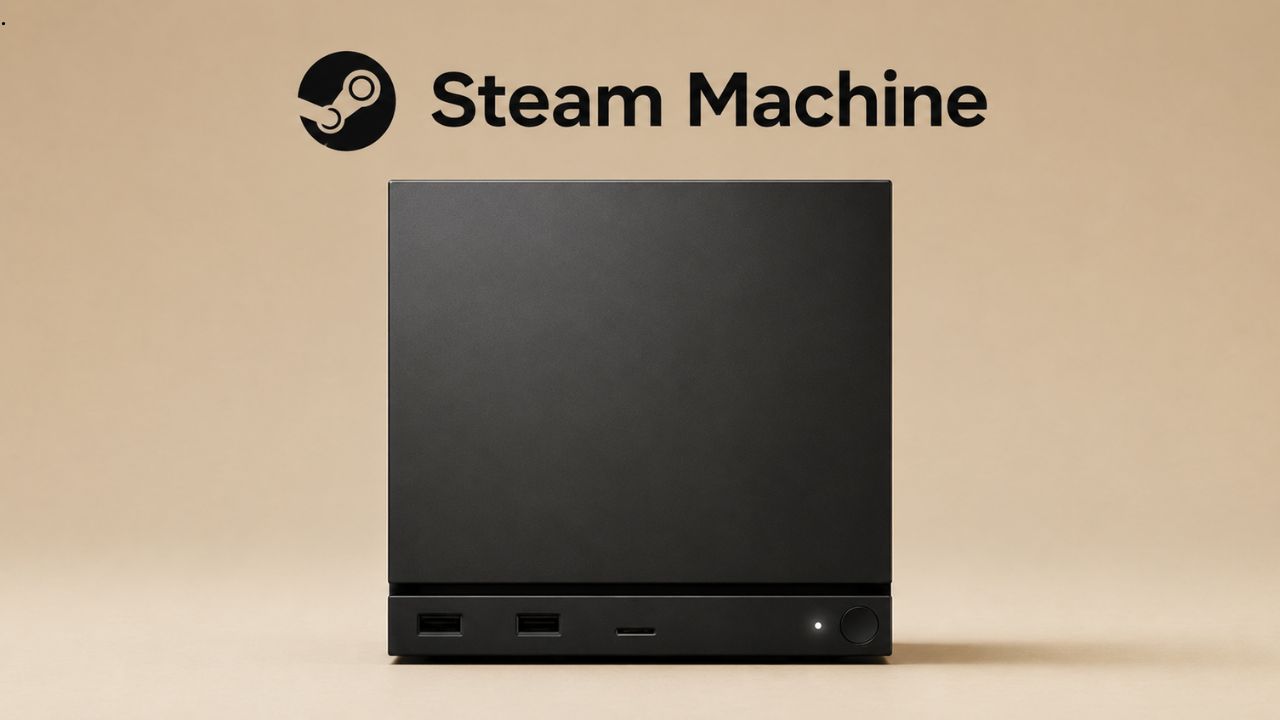
The Steam Machine is Valve’s desktop gaming computer. It has a compact cube shape and runs on Linux. Valve built their own version of Linux to power it. The device is designed to sit in your living room. You plug it in, connect it to your TV, and start playing PC games. Simple as that.
It is worth knowing that both the Steam Machine and the Steam Frame were first announced back in November of last year. So, this summer launch is not a surprise from nowhere. It is more of a confirmation that they are actually on their way. The recent blog post just gave us an official timeline to hold on to.
But here is the exciting part. The Steam Machine is about six times more powerful than the Steam Deck. That is a huge jump. So, if you already love what the Steam Deck can do, imagine all of that on a much stronger machine. The difference in speed and performance will be hard to miss.
- Runs Valve’s own custom Linux operating system
- Compact cube-shaped desktop design
- About 6x more powerful than the Steam Deck
- Made for living room gaming on your TV
- First announced in November last year
Why Did It Take So Long?
This part is a bit frustrating. Valve announced the Steam Machine earlier this year. However, they quickly said it would be delayed. The reason was a global shortage of RAM and storage components. Data centers all over the world need these same parts. So, the supply got very tight. This pushed Valve’s launch further back than anyone wanted.
Then, to make things worse, something shocking happened. Valve raised the price of the Steam Deck. Keep in mind that the Steam Deck is now four years old. Yet, its price went up by around $300. That hurt a lot of fans. Depending on which version you look at, the Steam Deck now costs $789 or $949. This price increase is directly connected to the same hardware shortage that delayed the Steam Machine. So, gamers got hit twice at the same time.
Many people have been sitting and waiting. Waiting for new hardware. Waiting for prices to calm down. Waiting for something real to feel hopeful about. And now, at last, that wait is almost over.
The Steam Frame VR — More Than Just a Headset
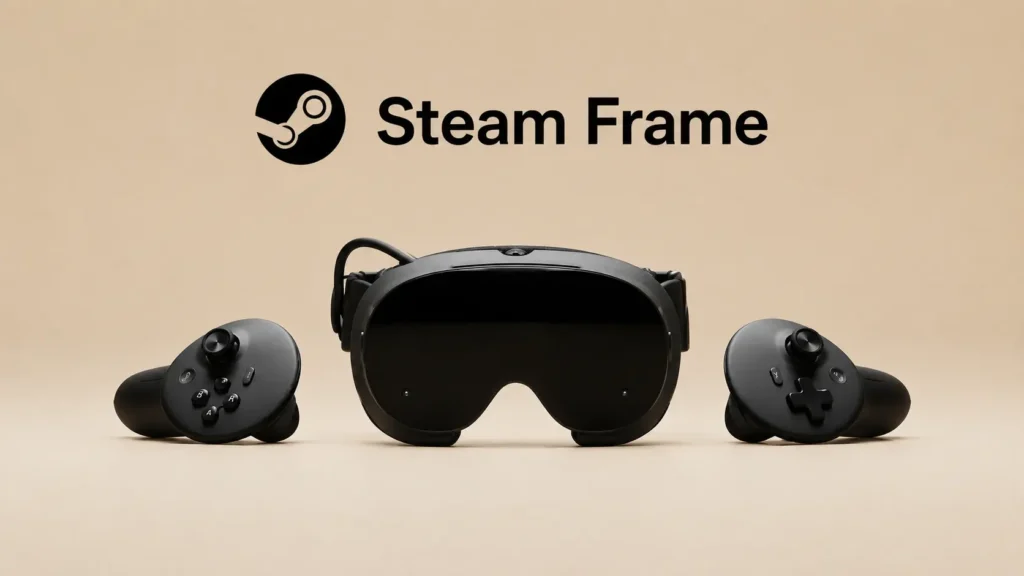
Along with the Steam Machine, Valve is also releasing the Steam Frame VR kit. This includes a VR headset and motion controllers. At first, the Steam Frame is mainly built for streaming. You can stream your Steam games directly into the headset. No PC sitting nearby is needed for streaming to work.
But here is where it gets more interesting. The Steam Frame can also run games all by itself. It is a fully standalone device. You do not need a PC nearby. You just put on the headset and play. That makes it a very capable piece of hardware on its own.
- Includes VR headset and motion controllers
- Streams Steam games wirelessly to the headset
- Can also run games on its own without a PC
- Works as a complete standalone VR gaming system
Of course, with a device this capable, you should be smart about where you use it. Playing games during your commute sounds fun. However, wearing a full VR headset on a crowded subway might not end well for your gear or your safety.
What Did the Valve Blog Post Actually Say?
Valve shared this news in a short, official blog post on their developer platform. It is worth knowing that the post was not really aimed at everyday consumers. It was written for game developers. So, it skipped most of the flashy marketing language. However, it did confirm the summer launch window clearly.
Here is something interesting, though. The main topic of the blog post was not actually the hardware itself. It was about the Verified certification program. Valve used the post to officially announce that both the Steam Machine and the Steam Frame are being added to this program. The hardware launch news came along as part of that update.
Unfortunately, the post did not share much beyond the summer window. There were no new specs revealed. No new design details. And certainly no pricing. So, while the confirmation is welcome, the blog post left many questions unanswered. Developers got the most out of it. Regular consumers are still waiting for more.
Game Compatibility — This Is the Best Part
Now, here is the detail that makes this launch truly exciting. Valve has extended their Steam Verified certification program to cover both new devices. This is a really big deal, and it deserves your attention.
The Steam Verified program first launched alongside the Steam Deck. Its purpose is simple. It tells you how well a game runs on the hardware before you spend any money on it. No more guessing. No more buying a game and finding out it barely works.
For the Steam Machine, the requirements to earn a Verified badge will be almost identical to those already used for the Steam Deck. That is a smart move. It means developers already know what to do. They do not need to learn a brand new system. They just confirm their games meet the same familiar standards they already follow.
The Steam Frame VR works a little differently, though. Its Verified badge will specifically represent the standalone experience. A game earns that badge by running well on the headset alone, without needing a PC or any external hardware connected. So, when you see that badge on a game for the Steam Frame, you know it will work right out of the box.
- Steam Deck Verified games will also run on the Steam Machine
- Steam Machine badge requirements are nearly identical to Steam Deck
- Steam Frame Verified badge confirms a true standalone experience
- No external hardware required for a Verified Steam Frame game
- No need to repurchase games just because you upgraded your gear
This takes a lot of risk out of buying new hardware. Your Steam library stays safe and works across all your devices. You always know what to expect before spending your money.
What About the Price?
Here is the part nobody really wants to hear. Valve has not officially confirmed any pricing yet. However, an early price leak gives us a rough idea of what to expect. And the numbers are not exactly easy to digest.
Memory chip prices are still very high. That is the same reason the Steam Deck got so much more expensive. And as already mentioned, that price jump was painful. A four-year-old handheld now costs up to $949. So, it is fair to expect that brand new, more powerful hardware will carry an even steeper price tag.
Until the chip shortage eases, hardware costs across the whole industry are likely to stay elevated. Valve is not alone in dealing with this. But their customers will feel it just the same.
That said, the Steam Machine is significantly more powerful than anything Valve has sold before. And the Steam Frame is a capable standalone VR headset with real computing power inside. So, while the price may sting at launch, the hardware behind it is genuinely strong. Whether it is worth it will depend entirely on what Valve announces when the time comes.
So, Is This Worth Getting Excited About?
Yes, absolutely. The Steam Machine is powerful. The Steam Frame is flexible and capable on its own. The game compatibility promise keeps your library fully safe. And the Verified program makes buying games a much more confident experience across all three devices.
The gaming hardware market has been rough lately. Prices are up. Delays have been long and frustrating. But Valve seems ready to deliver something real this summer. After everything gamers have been through with shortages and price hikes, that is genuinely welcome news.
Keep an eye on Valve’s official Steam page for the final launch date. Based on everything shared so far, this summer is shaping up to be a significant moment for Linux gaming and the broader Steam ecosystem.