
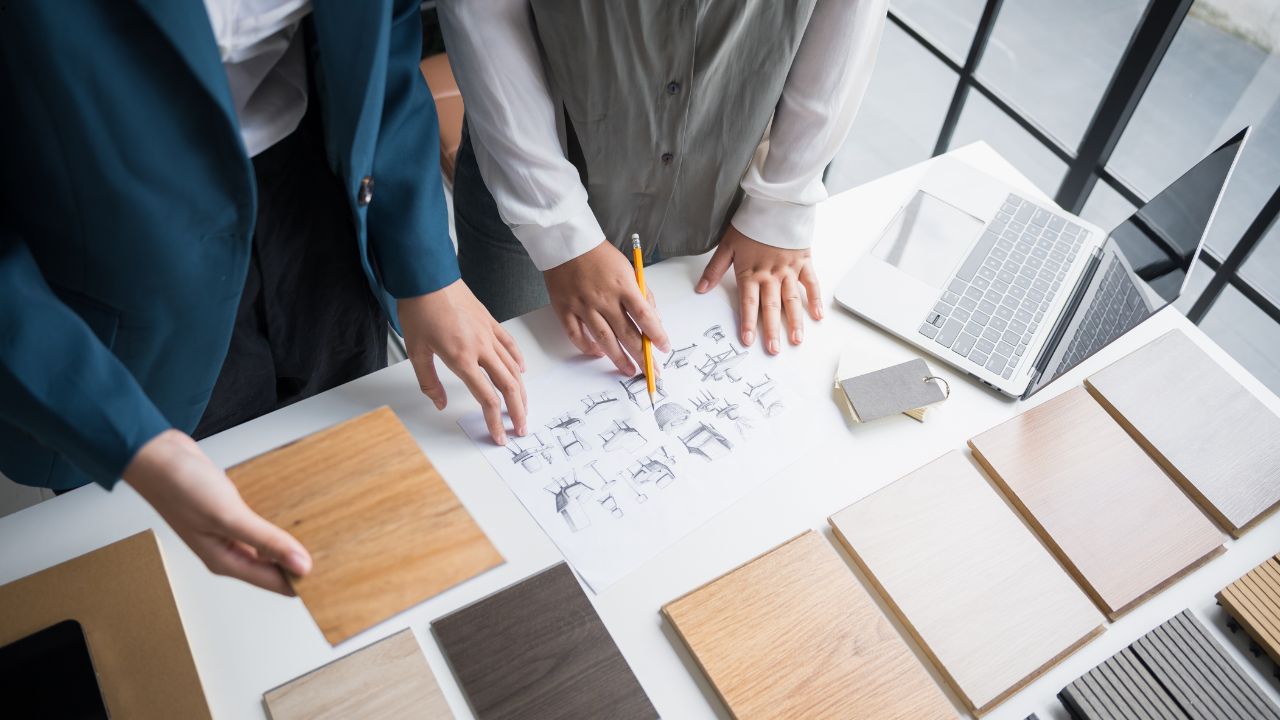
Creative education looks different than it once did. People now build expertise from almost anywhere. Busy careers often leave little spare time. Family commitments can limit travel options greatly. For that reason, flexible study routes attract attention. Through an interior design course United Kingdom, aspiring designers gain practical knowledge without disrupting daily responsibilities. They learn essential concepts, develop project skills, and create professional work samples. As learning methods evolved, remote training became a realistic path toward design careers.
Flexible Study Matches Today’s Lifestyle
Professional goals rarely disappear with age. However, personal commitments often reshape educational choices. Traditional attendance models suit certain learners well. Others need options fitting changing schedules better.
Remote design education answers that challenge effectively. Lessons remain available whenever suitable moments appear. Behind the scenes, this convenience relies on solid remote support services keeping platforms running and course material accessible without interruption. A marketing executive might log in during evenings, while a parent may prefer weekend hours after the kids are asleep. Because access stays flexible, learners keep their momentum going even when life gets demanding. Progress ends up depending more on commitment than on location.
Learning Through Real Design Practice
Strong creative ability develops through application, not observation. Reading design principles offers useful knowledge first. Yet practical experience creates deeper understanding over time.
Project-based activities place concepts into context. Learners experiment with furniture placement and layout planning. They explore finishes matching functional requirements. During these exercises, decisions carry practical consequences. Each completed task strengthens judgement and visual awareness.
Typical activities may include:
- Room arrangement planning
- Mood board creation
- Surface selection exercises
- Lighting proposal development
- Client brief interpretation
Such assignments reflect everyday professional expectations. Therefore, participants gain familiarity with realistic project demands.
Why Do Digital Tools Matter So Much?
Modern design work relies heavily upon technology today. Visual communication now extends beyond paper sketches. Clients expect clearer presentations before project approval.
In an interior design course United Kingdom, learners build confidence using industry-relevant software. Digital platforms help them test ideas efficiently. Floor plans become easier to refine. Three-dimensional views improve spatial understanding considerably. As projects progress, revisions require less effort. This process mirrors professional environments closely and prepares learners for future opportunities.
Several valuable benefits emerge through software training:
- Faster concept development
- Improved visual presentation quality
- Better spatial planning accuracy
- Enhanced communication with potential clients
Each advantage contributes toward stronger workplace readiness.
Building Portfolios That Demonstrate Capability
Employers often examine completed work before credentials. They want evidence showing practical understanding clearly. A portfolio provides that evidence effectively.
For example, a residential redesign project reveals multiple abilities. Material choices display aesthetic judgement. Layout decisions highlight functional thinking. Presentation boards showcase communication strengths. Together, these elements create a clearer picture of capability.
A strong collection may contain:
- Residential concepts
- Commercial proposals
- Colour planning examples
- Space utilization solutions
Because every project tells a story, recruiters gain useful insight into creative thinking and technical skill.
Understanding Professional Expectations Beyond Design
Successful practitioners require more than visual creativity alone. Every project involves communication and problem solving. Budget awareness influences recommendations from the beginning. Client objectives shape countless design decisions.
Remote programs often introduce workplace realities early. Learners examine project timelines and documentation methods. They explore presentation techniques suitable for professional settings. Through repeated exposure, industry expectations become easier to understand.
This broader perspective delivers important benefits:
- Better client interaction skills
- Stronger project organisation
- Greater commercial awareness
- Improved decision-making confidence
Consequently, participants approach opportunities with stronger preparation.
A Practical Route Toward Creative Careers
Design education should connect knowledge with application. Remote training achieves that balance effectively today. Learners acquire technical expertise while developing creative judgement. They strengthen presentation abilities and portfolio quality simultaneously. Most importantly, they build experience through meaningful project work. With flexible access and relevant instruction, modern programs provide a practical route toward professional design careers.
FAQs
Is remote interior design training suitable for beginners?
Yes, many programs welcome newcomers without prior experience. Foundational topics appear before advanced project activities.
Can students develop professional portfolios online?
Yes, project assignments often contribute directly toward portfolios. Completed work demonstrates practical capability clearly.
What skills do participants gain?
They learn layout planning, material selection, presentation methods, and software-based visual communication techniques.
Does online training prepare learners for employment?
Practical assignments mirror workplace expectations closely. This experience helps learners understand professional responsibilities better.
How flexible are remote design programs?
Most options allow study around existing commitments. Learners progress according to available time and personal schedules.