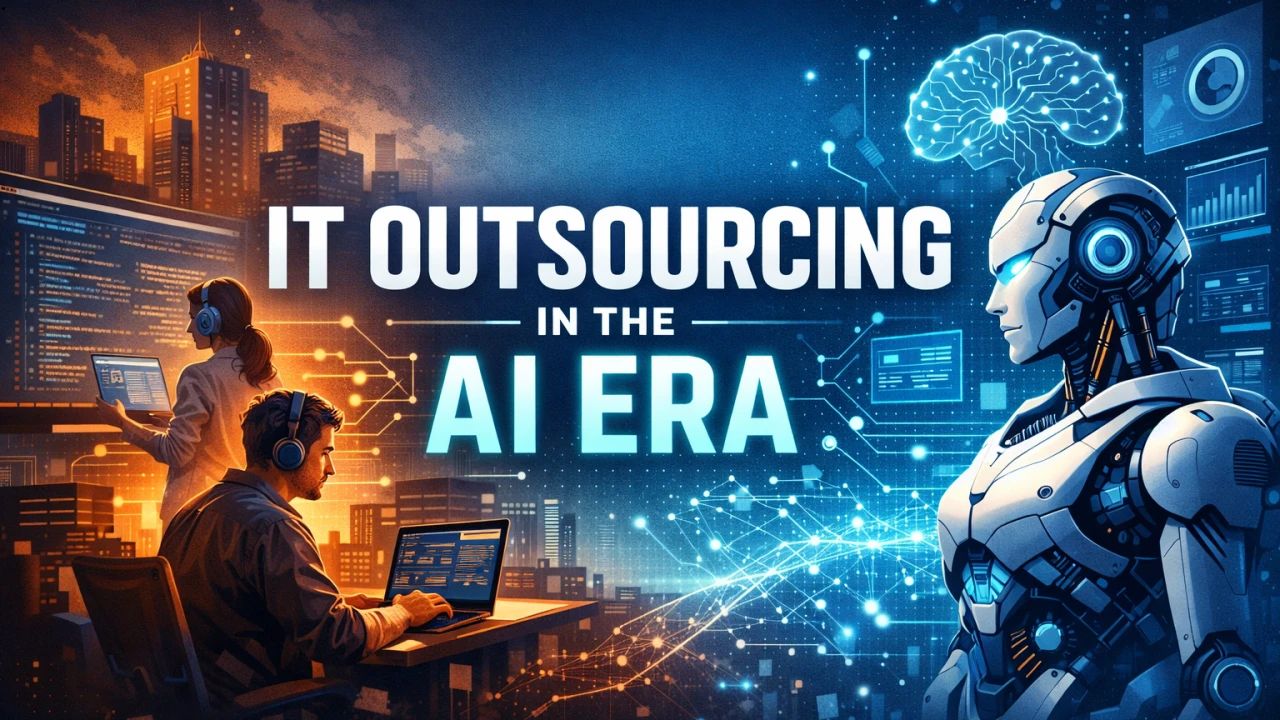
Software outsourcing is no longer just about cost savings or access to global talent. As AI tools become part of everyday software development, businesses face a new set of challenges that did not exist a few years ago. From AI-generated code to governance and security concerns, these risks can affect a project’s long-term success. Here are seven software outsourcing risks companies should not overlook in the AI era and how to mitigate them.
1. Overreliance on AI-generated code
Modern AI coding tools can generate large amounts of code in seconds. This helps development teams complete repetitive tasks faster, but it does not guarantee that the generated code is suitable for production environments.
AI-generated code may introduce inefficient logic, security vulnerabilities, or implementation choices that do not fully align with the system’s architectural requirements or long-term business objectives. These risks are not unique to AI, but the speed at which code can be produced can make them harder to detect without proper review. In some cases, developers may accept AI suggestions without fully reviewing them.
How to reduce the risk:
- Ask vendors how they review AI-generated code before deployment.
- Require code reviews from experienced engineers.
- Ensure quality assurance processes remain in place regardless of AI usage.
2. Hidden technical debt
One of the most common consequences of rapid development is technical debt. AI tools can accelerate feature development, but technical debt can accumulate when speed is prioritized over maintainability, regardless of whether code is written by humans or assisted by AI.
A product may appear to function well in its early stages, yet become difficult to scale, modify, or support as requirements grow. This problem often remains hidden until the business begins expanding.
How to reduce the risk:
- Request documentation of architecture decisions.
- Conduct periodic code quality assessments.
- Prioritize maintainability, not just delivery speed.

3. Security and compliance concerns
Security has become one of the most important considerations in outsourced software development. AI tools introduce additional questions about how source code, business data, and customer information are handled.
Businesses operating in regulated industries such as healthcare, finance, or education should be especially careful. A lack of clear security policies can create compliance risks and expose sensitive information.
How to reduce the risk:
- Verify the vendor’s security practices.
- Ask whether development teams use approved AI tools.
- Confirm that proprietary code, customer data, and sensitive business information are handled according to approved security policies and are not exposed to external AI services without proper authorization.
4. Loss of product knowledge
Many outsourcing engagements focus heavily on delivery while paying less attention to knowledge transfer. Over time, critical information about business processes, product logic, and technical decisions may become concentrated within the vendor’s team. If the relationship ends, transitioning the project to another provider can become expensive and time-consuming.
How to reduce the risk:
- Require comprehensive documentation.
- Schedule regular knowledge-sharing sessions.
- Ensure key decisions are recorded and accessible to internal stakeholders.
5. Vendor lock-in beyond source code
Businesses often assume that source code ownership alone provides sufficient control over a product’s future development and operations. In reality, software knowledge extends beyond code repositories.
Modern systems may depend on custom workflows, AI configurations, cloud infrastructure, deployment pipelines, and internal processes that are not immediately visible. Without proper documentation, changing vendors can be difficult.
How to reduce the risk:
- Maintain ownership of infrastructure accounts and repositories.
- Request clear operational documentation.
- Establish transition plans before they become necessary.
6. Lack of AI governance
As AI becomes more integrated into software development, governance is becoming a critical issue. As AI adoption accelerates, organizations vary significantly in the maturity of their AI governance practices. Without clear guidelines, teams may apply AI inconsistently, creating quality, security, and compliance concerns. Businesses should understand not only whether a vendor uses AI, but also how it is managed.
How to reduce the risk:
- Ask vendors about their AI development policies.
- Review approval and validation processes.
- Ensure human oversight remains part of the development lifecycle.
7. Difficulty evaluating engineering quality
The widespread use of AI has changed how software development productivity is measured. Development speed alone is not a reliable indicator of engineering quality. Today, the real challenge is ensuring that software remains secure, scalable, and maintainable over time. Businesses that focus only on hourly rates or development speed may overlook important quality indicators.
How to reduce the risk:
- Evaluate architecture practices.
- Review testing and quality assurance processes.
- Assess the experience of senior engineers involved in the project.
Choosing the right outsourcing partner in the AI era
The software outsourcing landscape is evolving. AI tools can help teams work more efficiently, but they do not replace strong engineering practices, business understanding, or long-term product thinking.
When selecting an outsourcing partner, businesses should look beyond cost and development capacity. The most valuable partners are those that combine technical expertise with transparency, knowledge sharing, and a clear approach to AI-assisted development.
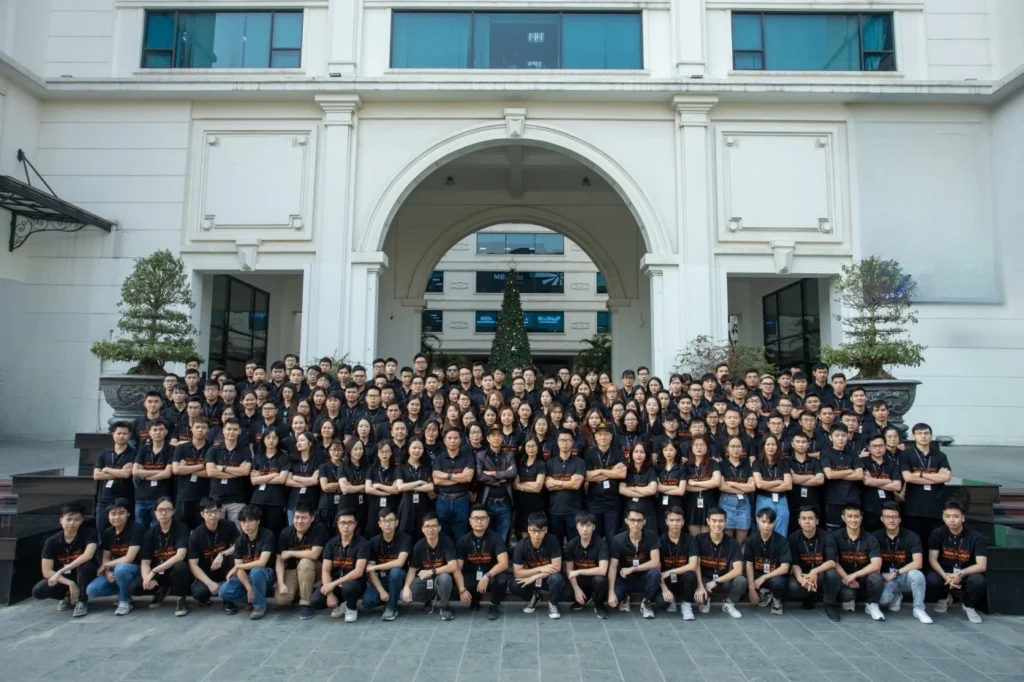
As AI becomes a larger part of software development, businesses should look for partners with a proven and transparent approach to AI adoption. PowerGate Software, for example, has shared how it utilizes AI throughout the software development lifecycle, including measurable productivity improvements and practical applications across development teams. This focus on responsible AI adoption helps organizations gain efficiency while maintaining control over quality, security, and long-term maintainability.
Software outsourcing continues to offer significant advantages, but the risks are changing. In the AI era, businesses must pay closer attention to code quality, security, governance, and knowledge ownership. By understanding these risks early and working with partners that prioritize responsible development practices, organizations can build stronger products, reduce long-term costs, and create a more sustainable path for growth