
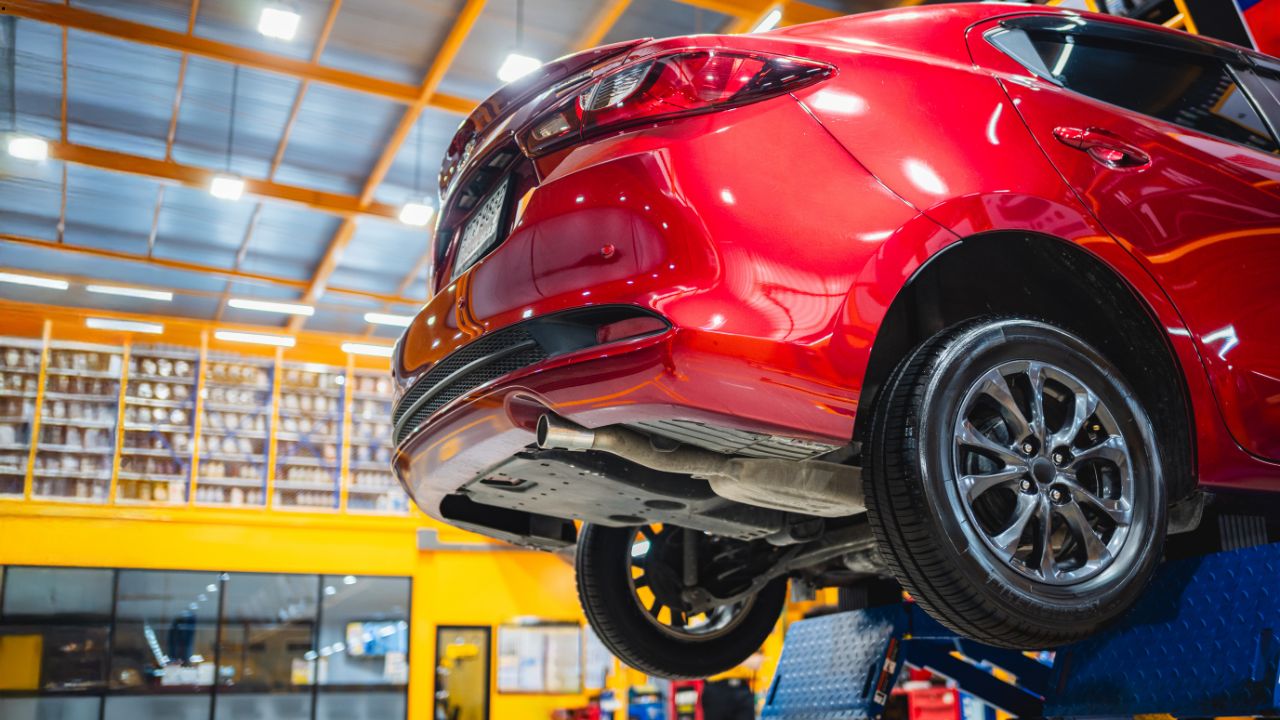
When your vehicle sustains damage, one of the first questions you ask is, “How long will the repairs take?” Planning your transportation or daily schedule depends on understanding the expected repair timeline. The duration can vary greatly based on several circumstances, but being informed helps you set realistic expectations. For those searching for specifics, Collision repair fixing time offers additional insights into typical repair timeframes.
While some auto body repairs can be completed quickly, others, especially those involving extensive damage, can require significant time. Knowing the influencing factors will give you greater control over the process and peace of mind. Most importantly, recognizing potential delays and how to mitigate them is essential for minimizing inconvenience.
It is also important to consider the shop’s reputation, your insurance process, and how the damage is assessed at the outset. Each step contributes to how soon your vehicle will be ready for the road again. Staying proactive and communicating with your repair shop can further streamline the process and help ensure you receive timely updates and quality service.
Typical Repair Timelines
The expected duration for auto body repairs is closely tied to the severity and extent of vehicle damage.
- Minor Repairs: Small dents, paint scratches, or bumper scuffs typically require just 1 to 3 days in the shop. These quick fixes seldom involve multiple parts or complex paint jobs.
- Moderate Repairs: If your vehicle needs more comprehensive attention, such as work on several panels or part replacements, your repair may take between 3 and 7 days.
- Major Repairs: Major incidents that result in structural or frame damage or require specialty parts often extend recovery times to 2 to 4 weeks, and sometimes longer.
These timeframes provide a baseline but can shift due to parts procurement, shop scheduling, or insurance requirements. For a deeper dive on expected durations across different damage types, refer to the detailed statistics available on Consumer Reports.
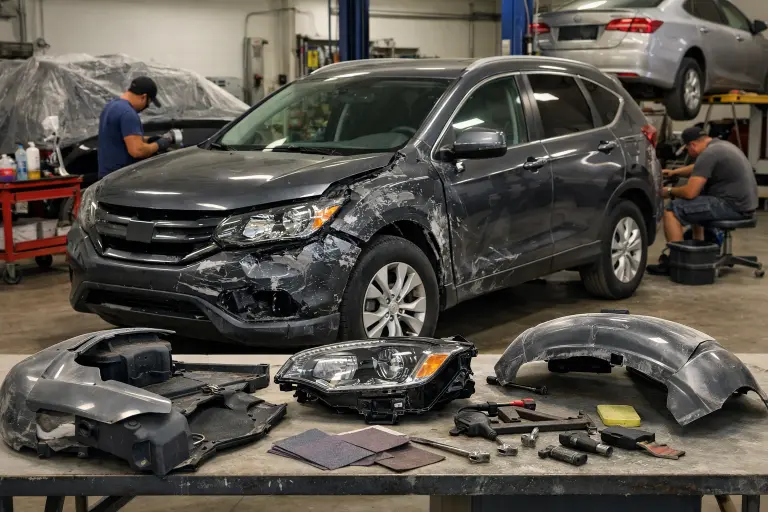
Factors Influencing Repair Duration
Many elements can affect how long your vehicle will stay in the shop. Understanding these variables puts you in a better position to anticipate timing and discuss concerns with your repair provider:
- Parts Availability: Common components like bumpers or headlights are stocked by most shops, but rare or model-specific parts may require special ordering. Backordered or imported parts can delay repairs by days or weeks.
- Insurance Approvals: Your insurer usually needs to review and approve the repair estimate before work begins. Extended review or requests for additional documentation can add unexpected wait time.
- Shop Workload: During busy periods, like after severe weather events, repair queues can lengthen and push your timeline back. Picking a less busy shop when you can is one small way to save time — and it pairs well with other habits that help keep your car running smooth on a budget.
- Paint Curing Time: Once your car is repainted, it needs time to cure properly so the finish holds up. This usually adds 24 to 48 hours, depending on the paint used and your shop’s setup. If your vehicle’s exterior needs more than a touch-up, it’s worth comparing paint vs car wrap before you decide what’s next.
These factors can overlap, and delays at any stage can impact the overall timeline. Consulting with your repair shop about these variables helps you set appropriate expectations.
Steps in the Auto Body Repair Process
Gaining insight into the general repair process clarifies why certain repairs take as long as they do:
- Initial Assessment: Technicians thoroughly inspect your vehicle for all visible and potential hidden damage and draft an estimate.
- Insurance Approval: Your insurance company must review and approve the repair plan before work begins.
- Parts Ordering: Shops order any required parts at this stage. Shipping time and availability will affect the sequence and timing of repairs.
- Repair Work: Technicians perform bodywork, frame straightening, part replacements, and restore your car to pre-incident condition.
- Painting: If necessary, panels are prepped, painted, color-matched, and allowed to cure fully.
- Reassembly and Quality Control: All pieces are refitted, and systems are checked to ensure proper function and safety before returning your vehicle.
Each step must be completed in sequence, and a holdup at any point may extend the process.
Common Causes of Delays
Some aspects that commonly result in repair delays include:
- Hidden Damage: Damage missed during the initial assessment may only become visible after disassembly. Technicians must pause repairs and acquire further approval and parts before continuing.
- Parts Backorders: Unexpected backorders or discontinued components require additional time to source or authorize alternative repairs.
- Insurance Processing: Claims may be held up due to paperwork, inspection disputes, or extended reviews, interrupting or slowing progress.
It helps to be proactive and address any questions related to coverage or the repair plan with both your insurer and the shop at the outset. More tips can be found in this comprehensive guide from Progressive.
Tips for Expediting Your Repair
If you want to keep your repair timeline as short as possible, consider these best practices:
- Choose a Reputable Shop: Trusted shops with established workflows and insurer relationships can help move your repair along efficiently.
- Stay in Communication: Regularly check in with your shop for progress updates, especially if you have a tight schedule.
- Understand Your Insurance Policy: Knowing your deductibles, approval process, and what is covered prevents unexpected holdups.
Employing these strategies minimizes avoidable surprises and allows for faster resolution if issues arise.
Conclusion
Auto body repair timelines are influenced by many variables, from the extent of damage to insurance approval and parts logistics. An informed approach, open communication, and choice of shop make a significant difference. By understanding the process and potential pitfalls, you can streamline your experience and get back on the road with confidence.