Early-stage startups often face a brutal reality: they must compete in the same digital marketplaces as billion-dollar brands—with only a fraction of the budget, data, and manpower. Large companies dominate paid media through massive ad spend, advanced analytics teams, and years of brand recognition. For startups, breaking through that noise can feel almost impossible.
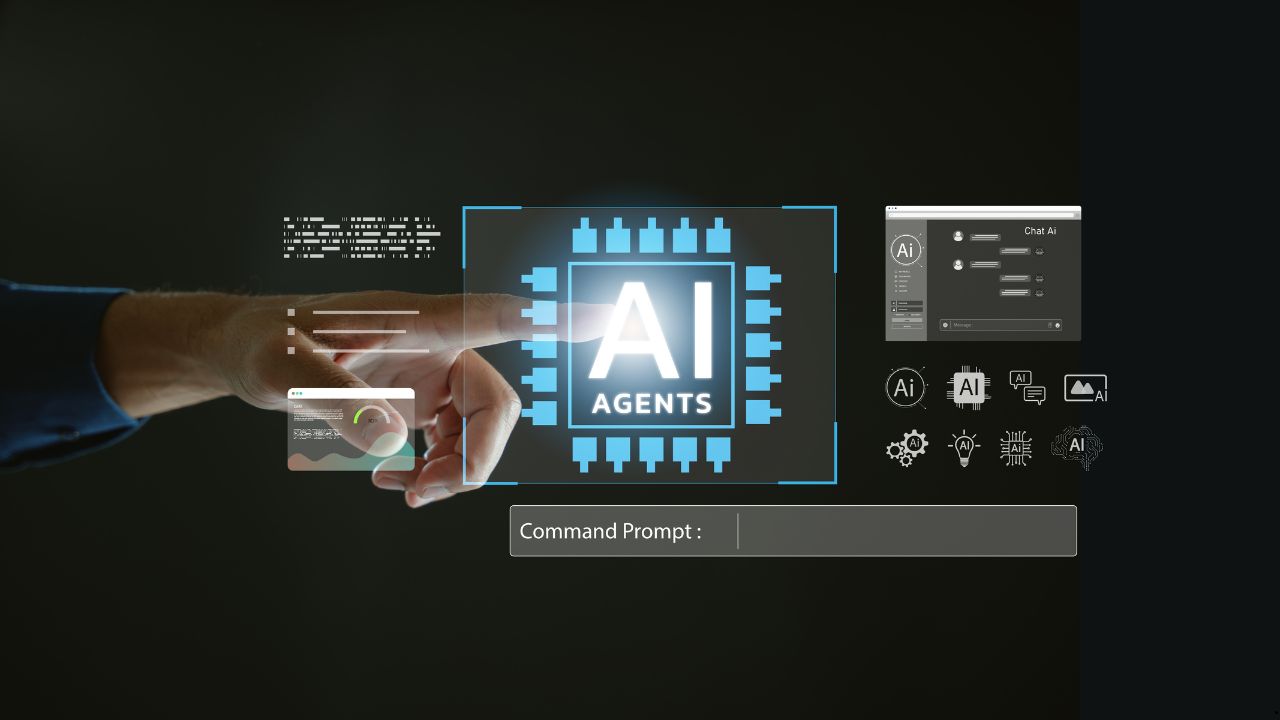
But the real shift is happening because of agentic AI — systems that don’t just automate tasks but actively make decisions. This evolution is giving startups access to capabilities that were once reserved for enterprise marketing teams. Agentic ads—powered by autonomous AI systems—are helping startups move faster, optimize smarter, and compete more strategically. Instead of manually managing campaigns, founders can now deploy intelligent systems that plan, test, and optimize ads in real time.
Let’s explore how agentic advertising is transforming growth strategies for early-stage startups.
Table of Contents
What Are Agentic Ads?
Agentic ads are advertising systems powered by AI “agents” that can independently make decisions to achieve specific performance goals. Unlike traditional automation tools that follow preset rules, agentic systems continuously analyze performance data, learn from outcomes, and adapt strategies without constant human input.
Think of them as intelligent campaign managers working 24/7. They:
- Test multiple creatives simultaneously
- Adjust bids dynamically
- Shift budgets toward high-performing audiences
- Generate new variations based on performance data
- Optimize for specific outcomes like conversions, CPA, or ROAS
For startups without a dedicated marketing team, this level of autonomous optimization can be transformative.
1. Maximizing Limited Budgets With Smarter Optimization
One of the biggest advantages agentic ads provide is efficiency.
Big brands can afford to waste their budget while testing ideas. Startups can’t. Every dollar must produce measurable returns. Agentic systems continuously analyze which ads, audiences, and placements are generating results—and automatically reduce spend on underperforming combinations.
Instead of running a campaign for weeks before reviewing results, AI agents adjust in real time. That means:
- Lower cost per acquisition
- Faster learning cycles
- Reduced manual monitoring
- Better return on limited ad budgets
For an early-stage startup, this kind of efficiency can mean the difference between scaling and shutting down.
2. Rapid Experimentation Without Large Teams
Large enterprises often have entire teams dedicated to creative testing, audience research, and campaign optimization. Startups usually have one founder juggling everything.
Agentic ads enable rapid experimentation at scale. AI systems can:
- Generate multiple ad copy variations
- Test different headlines and calls to action
- Analyze which messaging resonates with specific audience segments
- Automatically expand winning creatives
This dramatically reduces the operational burden on founders.
A single startup marketer can now compete with a corporate marketing department—not by working harder, but by leveraging autonomous systems that do the heavy lifting.
3. Data-Driven Decisions Instead of Guesswork
Early-stage founders often rely on intuition when building campaigns. While vision is important, scaling requires data.
Agentic advertising systems analyze:
- Audience behavior
- Click-through rates
- Conversion patterns
- Engagement signals
- Historical performance trends
Instead of guessing which audience segment might work, the system identifies high-intent users based on live data. Instead of debating which creative is “better,” performance metrics decide.
This shifts advertising from opinion-based decision-making to algorithm-driven optimization—something big brands have relied on for years.
4. Personalization at Scale
Personalization used to be expensive. Large brands invested heavily in dynamic ad platforms and customer data systems. Startups rarely had access to that level of sophistication.
Agentic ads change that.
AI agents can tailor ads to:
- Different geographic regions
- Behavioral segments
- Purchase intent levels
- Time-of-day engagement patterns
The result? Ads that feel more relevant, even when targeting broad audiences.
For example, an AI agent may discover that one message works better for first-time visitors, while another performs better for returning users. It can automatically adjust delivery accordingly.
This level of personalization boosts engagement and conversion rates—without requiring enterprise-level infrastructure.
5. Faster Scaling When Traction Appears
One of the hardest challenges for startups is scaling at the right moment.
When a campaign starts performing well, founders often hesitate to increase budgets because they fear performance will drop. Agentic systems reduce that risk by:
- Monitoring performance thresholds
- Gradually increasing spend on winning combinations
- Preventing budget spikes on unstable campaigns
- Reallocating funds dynamically
Instead of scaling blindly, startups scale intelligently.
In many ways, an agentic ads guide would emphasize this ability to combine automation with strategic control—allowing founders to grow aggressively without losing efficiency.
6. Competing on Agility, Not Just Budget
Big brands win on budget. Startups win on speed.
Agentic advertising amplifies that speed advantage. While large companies often face internal approval layers and slow creative cycles, startups using AI agents can:
- Launch campaigns quickly
- Pivot messaging based on live feedback
- Target emerging audience trends
- Adjust offers instantly
This agility allows startups to exploit micro-opportunities before larger competitors react.
For example, if a new niche trend appears in your industry, an AI-driven system can rapidly test messaging around that trend and scale if it performs—without waiting for weeks of planning.
7. Reducing Founder Burnout
Running ads manually is time-consuming and stressful. Monitoring dashboards daily, adjusting bids, testing creatives, and troubleshooting performance drops can quickly overwhelm small teams.
Agentic systems reduce this operational stress by handling optimization continuously in the background. Founders can focus on product development, customer experience, and partnerships instead of obsessing over ad metrics.
That shift in focus can significantly impact long-term success.
The Strategic Advantage for Early-Stage Startups
Agentic advertising doesn’t magically replace strategy. Startups still need:
- Clear positioning
- Strong value propositions
- Quality creative assets
- Defined growth goals
But once those foundations are in place, agentic systems act as performance accelerators.
They enable startups to:
- Compete efficiently with larger budgets
- Scale campaigns based on real-time intelligence
- Optimize faster than manual workflows allow
- Personalize messaging without enterprise resources
Keeping up with emerging AI trends is becoming essential for founders who want to stay competitive. The startups that adapt fastest to these shifts often outperform larger competitors with far bigger budgets.
Agentic ads provide exactly that opportunity. By combining AI-driven decision-making with entrepreneurial agility, early-stage startups can turn limited resources into scalable growth engines—and finally compete on equal footing with industry giants.