Picking a clothing manufacturer is one of the biggest decisions for a brand makes. A great partner can help you launch on time, keep quality consistent, and grow without constant fire drills. A poor fit can lead to delayed shipments, inconsistent sizing, and costly rework—problems that quickly spill into customer reviews and returns.
This guide is designed for real life, giving you a simple process for comparing factories fairly, especially if you’re sourcing for the first time.
Table of Contents
Step 1: Get clear on what you’re making before you message any factory
Many sourcing problems start with vague inputs. Before you reach out, write down these basics:
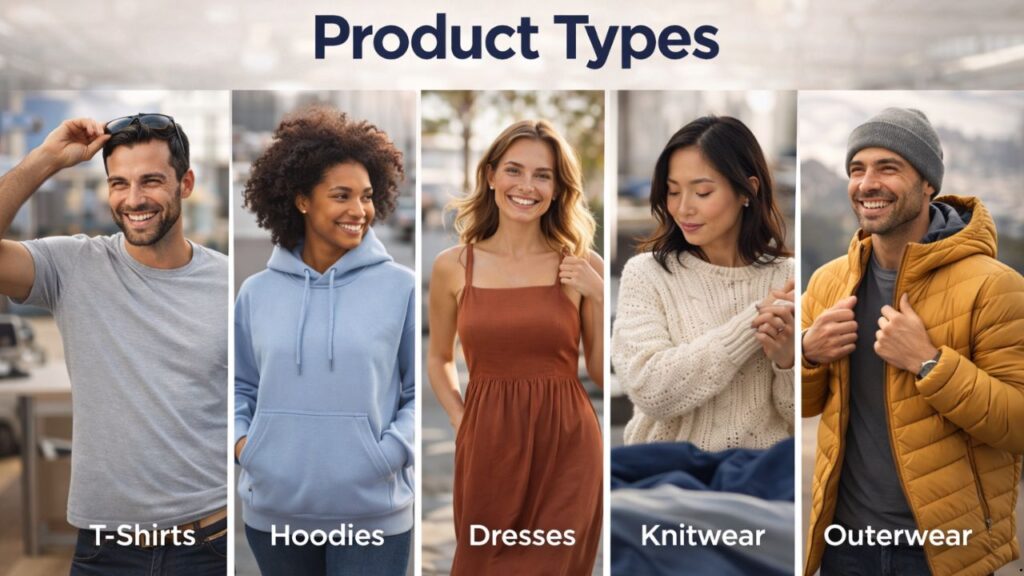
- Product type: T-shirts, hoodies, dresses, knitwear, outerwear, etc.
- Fabric needs: fiber content, weight, stretch, and feel (if you know)
- Target quality level: premium, mid-range, or entry
- Target cost range: “ideal” and “max”
- Order plan: first order quantity and your best guess for the next 90 days
- Fit and sizing: your size chart, fit notes, and a reference item if you have one
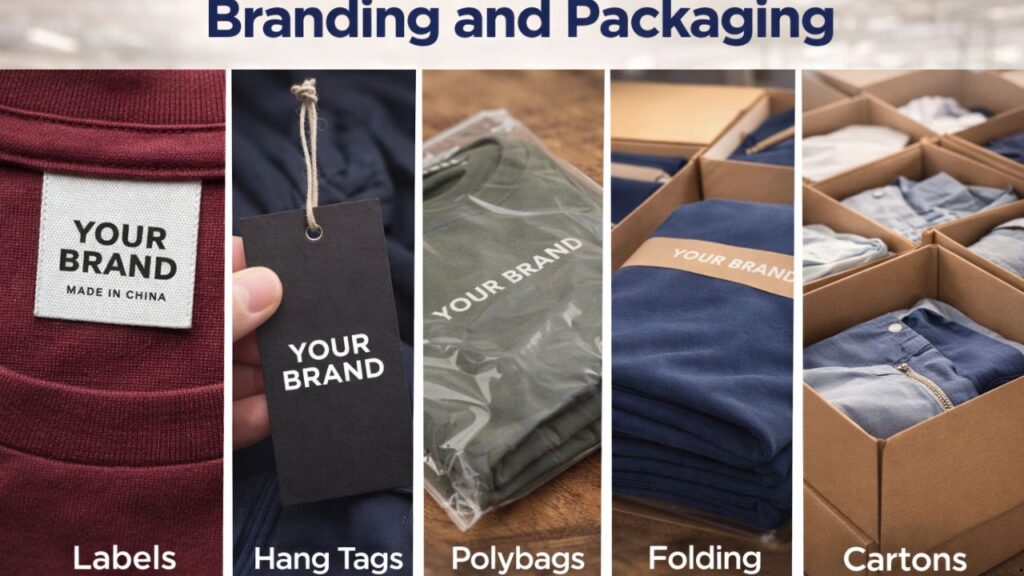
Branding and packaging: labels, hang tags, polybags, folding, cartons
- Timeline: when you need samples and when bulk must ship
If you don’t have a tech pack, that’s okay. Clear photos, measurement notes, and a simple size chart still help a lot.
Step 2: Build a shortlist, then ask the same questions
A common mistake is choosing the first factory that replies quickly. A safer approach is to shortlist several options and evaluate them using the same checklist. That way, you’re comparing facts, not feelings.
If you’re exploring options in China and want a quick starting point for creating your shortlist, you can review this reference list: Know more about Chinese clothing manufacturers
A list is a starting point, not a decision. The rest of this article is how you verify fit, quality, and reliability.
The Checklist: How to Compare Clothing Manufacturers
1) Product match: Are they strong in your category?
A factory can be “good” but still be wrong for your product. Ask:
- What are your top product categories this year?
- How often do you produce items like mine?
- Which processes are in-house vs. outsourced? (printing, embroidery, washing, etc.)
- Can you share photos of recent similar work?
Why it matters: A factory that produces your category every week is more likely to deliver consistent results.
2) Sampling: What is the real timeline and process?
Sampling is where fit issues, fabric choices, and finishing details get resolved. Ask:
- What do you need from me to start sampling?
- How many sample rounds are typical?
- How long does sampling usually take for this item?
- What exactly must I approve before bulk production begins?
Helpful tip: Ask for a simple sampling plan with dates and clear “approval needed” steps.
3) MOQ: What’s flexible and what isn’t?
MOQ (minimum order quantity) often depends on fabric sourcing, dyeing, and production setup. Don’t just ask “What is your MOQ?” Ask:
- Is MOQ per style, per color, or per size?
- Can we lower MOQ by using stock fabric or standard trims?
- What is the cost impact if MOQ is lower?
- If we reorder, can we keep the same materials and color?
Red flag: “We can do any MOQ” with no explanation of how they manage fabric and production planning.
4) Quality control: How do they prevent problems, not just fix them?
Before diving into quality checks, it’s important to understand why quality matters when choosing a clothing manufacturer. Focusing on consistent quality helps avoid costly returns and protects your brand’s reputation.
- What checks happen before production starts?
- Do you do in-line checks during sewing?
- Do you do a final inspection before shipping?
- How do you handle defects found near the end?
Also ask:
- How do you define major vs. minor defects?
- What happens if the goods don’t meet the agreed standard?
Helpful tip: Ask to see a blank QC checklist or report template. Even a simple one shows how they think.
5) Pricing: Can they break down the quote clearly?
A quote that’s too simple often hides surprises. Ask for a breakdown, such as:
- Fabric cost
- Trims and accessories
- Cut-and-sew labor
- Printing/embroidery/washing (if any)
- Labels and packaging
- Shipping terms (EXW, FOB, DDP, etc.)
Then ask:
- What causes price changes?
- How long is the quote valid?
Red flag: A factory refuses to explain what’s included and what’s not.
6) Communication: Who owns the project day to day?
Quality and timelines often fail because communication fails. Ask:
- Who will be my main contact?
- How often will you share production updates?
- What’s your typical response time?
- How will changes be confirmed: email, messaging, shared document?
Helpful tip: After any call, ask for a short written recap of decisions. If they won’t do it, confusion tends to follow.
A quick “red flags” box: reasons to pause
If you see one red flag, ask more questions. If you see several, consider moving on:
- They won’t break down pricing or explain what’s included
- They avoid giving timelines in writing
- They can’t show recent similar products (even without branding)
- They keep changing terms mid-conversation
- They push for a large deposit without clear milestones
- They promise “anything you want” without asking detailed questions
Sampling vs. pilot orders: both matter, but they test different things
- Sampling proves your design, fit, and materials.
- A pilot order proves production consistency, whether the factory can repeat the same quality across multiple units.
A smart pilot order is small but realistic:
- One style
- Limited colors and sizes
- Includes key processes (print, embroidery, wash, etc.)
- Clear pass/fail standards and a plan if something goes wrong
Put key details in writing
Your purchase order (PO) or agreement should include:
- Fabric details (content, weight, color reference)
- Size chart and allowed measurement differences
- Approved sample reference (sample ID and photos)
- QC method and defect rules
- Timeline and what happens if deadlines slip
- Packaging and labeling requirements
- Payment terms and when each payment is due
- Shipping terms (EXW/FOB/DDP) and who handles what
A simple rule: if it’s not written down, it’s hard to enforce.
One more resource: reviewing a manufacturer’s public process information
When you’re comparing factories, it can help to review how a manufacturer describes its product range and production steps, then confirm details directly using the checklist above.
You can view one example of a manufacturer overview here: Valtin Apparel
As with any supplier, use public information as a starting point and verify capabilities and terms in writing.
Final
The best clothing manufacturer isn’t the biggest or the cheapest. It’s the one that fits your product, communicates clearly, and can show a repeatable process for quality and delivery.
If you use this checklist, shortlist multiple options, and run a pilot order before scaling, you’ll avoid most of the common sourcing mistakes and choose partners based on evidence, not guesswork.