
Key Takeaways
- Thorough preparation and research about the company set the foundation for a successful interview.
- Effective communication, including body language and storytelling, enhances your connection with the interviewer.
- Demonstrating genuine interest and following up after the interview can set you apart from other candidates.
Making it past the application stage is a notable achievement, but the job interview is where you have the greatest opportunity to stand out among candidates. The ability to leave a positive, memorable impression often determines whether you move forward in the hiring process. Whether you are new to interviewing or seeking a competitive advantage, applying tried-and-tested strategies helps you engage with confidence from the first greeting. If you want more detailed interview tips and methods for every career stage, there are abundant resources to help you prepare.
During the interview, demonstrating your knowledge of the company, articulating your strengths clearly, and showcasing genuine enthusiasm can set you apart. Employers want candidates who not only meet skill requirements but also fit seamlessly into their culture and vision. Preparation and professionalism are key to making the right impression from the outset, giving you an edge over others vying for the same position.
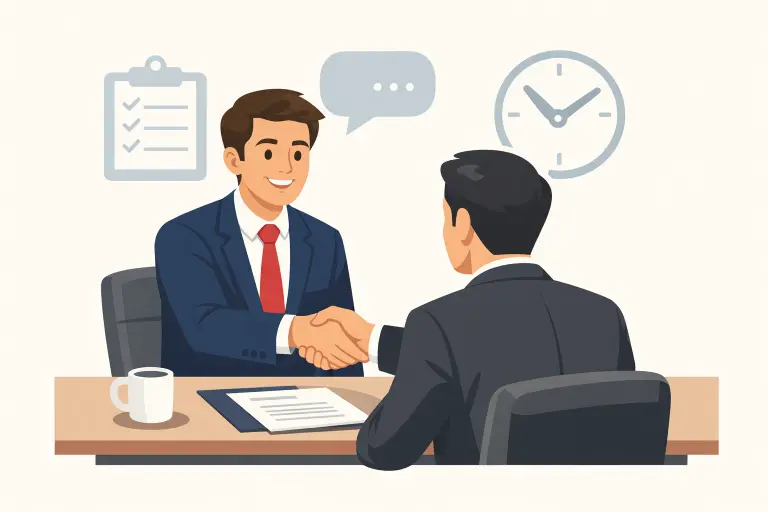
First impressions, both verbal and nonverbal, are powerful. From the moment you arrive, your demeanor, eye contact, and responses contribute to the interviewer’s perception of your suitability. By mastering the basics and going beyond standard answers, you make your meeting memorable for all the right reasons.
Securing an interview invitation is just the start. To truly succeed, you must approach the conversation as a two-way evaluation: you are assessing the company just as much as they are evaluating you. Read more about interview preparation and best practices on authoritative sites such as the U.S. Department of Labor.
Research the Company
Successful candidates stand out by demonstrating a genuine understanding of the company’s core mission, current challenges, and achievements. Before your interview, thoroughly review the company’s website, skim recent press releases, and check their social media for updates. This background knowledge helps you tailor your answers to align with what matters most to your prospective employer. It also shows that you are invested in contributing to their ongoing objectives.
Understanding where a company is headed and the problems it faces also helps you identify how your skills can be an asset. Employers notice when candidates reference specific company projects or values rather than giving generic responses. For more on effectively researching employers, visit The Ohio State University College of Engineering.
Dress Appropriately
First impressions are influenced heavily by appearance. Choosing attire that aligns with the company’s culture shows respect, awareness, and professionalism. If the organization has a formal dress code, opt for business attire such as a tailored suit and conservative accessories. In creative or casual workplaces, business-casual clothing is usually acceptable, but lean toward slightly more formal attire unless you have explicit guidance otherwise.
When you feel confident in your appearance, it translates into positive body language and composure during the interview. This confidence can make it easier to connect with your interviewer and focus on the conversation rather than feel self-conscious.
Arrive Early
Punctuality is often seen as a marker of professionalism and reliability. Arrive at least 10 to 15 minutes early to avoid the stress of running late and to give yourself time to adjust and review your key talking points. Upon arrival, take a few moments to collect yourself, breathe deeply, and mentally rehearse your introduction.
Being early also gives you time to observe the work environment, which may help inform the questions you ask later in the interview. Timeliness underscores your respect for the interviewer’s time and helps set a positive tone for the meeting.
Showcase Your Strengths
Be ready to discuss your most relevant skills and experiences as they relate to the specific job. Unpack your unique strengths using quantifiable achievements. Instead of saying, “I’m a team player,” describe a time when your collaboration yielded measurable results. Relate your capabilities directly to the needs of the position, and elaborate on how you would address current or future challenges within the role.
Focus on accomplishments that align with the employer’s job description. Give clear, succinct examples that demonstrate your abilities and your potential value as a member of their team.
Prepare Stories
Memorable candidates use storytelling. Reflect on specific job experiences that demonstrate your skills, resilience, and creativity. For example, if communication is a key requirement, share a scenario where your communication skills positively impacted a project’s outcome. Stories provide context and insight into how you operate under pressure and collaborate with others, which are vital in any working environment.
Practicing your answers to common behavioral questions helps you structure your stories clearly and respond with more confidence during interviews. This preparation helps engage your audience and makes your qualifications unforgettable.
Ask Thoughtful Questions
An interview is a two-way conversation. Asking insightful questions shows curiosity, engagement, and a commitment to finding the right fit. Good questions might include, “How does your team measure success in this role?” or “What are the company’s biggest priorities this year?” Inquire about team culture, opportunities for growth, or notable projects on the horizon.
Your questions should be specific and research-based, demonstrating your sincere interest in the company and the position.
Follow Up
Always send a personalized thank-you email following your interview. Mention specific topics you enjoyed discussing, express gratitude for the opportunity, and reaffirm your enthusiasm for the role. A prompt follow-up within 24 hours demonstrates professionalism and your commitment to securing the position.
This courteous step can reinforce a positive impression and remind interviewers of your interest and qualifications.
Distinguishing yourself in a competitive job market requires more than skills alone. Mastering these strategies ensures you are remembered for your preparation, professionalism, and genuine enthusiasm. By focusing on targeted research, confidence in your presentation, and meaningful connections with interviewers, you position yourself as the candidate they want to see again.