In modern IT infrastructures, businesses increasingly require stable, predictable, and isolated computing resources. In such cases, dedicated server hosting is used.
A dedicated server allows companies to gain full control over a physical server, its resources, and its configuration. This solution is widely used in high-load projects, mission-critical services, and environments with strict performance and security requirements.
Table of Contents
What Is Dedicated Server Hosting
Dedicated server hosting is a hosting model in which a client is provided with an entire physical server, without sharing resources with other users. All server resources, including the CPU, RAM, storage subsystem, and network interfaces, are used exclusively by a single client.
Unlike shared hosting and VPS, where resources are distributed among multiple users, a dedicated server ensures complete isolation and predictable system behavior under load. The client receives full administrative access and can independently define the operating system configuration, software stack, and security settings.
Dedicated server hosting is used as the foundation for corporate IT systems, high-traffic web projects, databases, and infrastructures that require an increased level of control and reliability.
How a Dedicated Server Works
A dedicated server is a standalone physical machine located in a data center. Unlike virtualized environments, server resources are not shared among multiple clients. The CPU, RAM, storage subsystem, and network are fully allocated to a single customer. This model eliminates the impact of external workloads and ensures stable performance even during peak loads.
Management and Control
The client receives full access to the server at the operating system level. This allows them to:
- install and configure any software
- choose the operating system and its configuration
- manage security policies
- optimize the server for specific tasks
Depending on the service model, server management can be handled entirely by the client or partially delegated to the provider. Dedicated servers are hosted in professional data centers with redundant power supply, cooling systems, and network infrastructure.
Advantages of Dedicated Server Hosting
Dedicated servers provide a level of control and performance that is not available in shared or virtual environments. This makes dedicated hosting an optimal solution for business-critical workloads. All server resources are used by a single client, ensuring stable and predictable performance without competition for CPU, RAM, or storage.
Enhanced Security
Physical server isolation reduces risks associated with neighboring environments. Dedicated server hosting allows organizations to:
- implement custom security policies
- isolate data at the hardware level
- meet compliance requirements and internal standards
Flexibility and Customization
A dedicated server can be fully tailored to project requirements, including:
- selecting the hardware configuration
- configuring the storage subsystem
- installing specialized software
- optimizing the environment for specific applications
Predictability and Control
Dedicated hosting provides:
- full administrative access
- transparent system behavior
- control over updates and changes
Limitations and Considerations of Dedicated Server Hosting

Despite its clear advantages, dedicated servers are not suitable for every project. When choosing dedicated hosting, it is important to consider its specific characteristics and potential limitations.
Higher Cost
Dedicated server hosting is generally more expensive than virtual and shared solutions. The cost typically includes:
- rental of physical hardware
- data center maintenance
- resource reservation
- infrastructure support
For small projects, these expenses may be excessive.
Administrative Requirements
A dedicated server requires professional management. This includes:
- operating system setup and updates
- security management
- performance monitoring
- backup configuration
Without the appropriate expertise, maintaining a dedicated server can become a complex task.
Dedicated Server vs VPS vs Shared Hosting
When evaluating hosting options, businesses often compare traditional solutions with modern alternatives. While many organizations explore the best cloud hosting for scalability and flexibility, dedicated servers remain a strong choice for workloads that demand full hardware control and predictable performance. These models address different needs and are designed for varying levels of workload and control.
Dedicated Server
A dedicated server is a physical server fully allocated to a single client. All resources are used exclusively for one project, without sharing with other users. This approach provides maximum performance, complete isolation, and a high level of system control. Dedicated server hosting is typically chosen for stable, high-load, and business-critical systems where predictability and security are essential.
VPS (Virtual Private Server)
A VPS is based on virtualization, where a single physical server is divided into multiple isolated virtual environments. Each client is allocated a defined amount of resources, but these resources still exist within a shared hardware platform. VPS is suitable for mid-sized projects that require more flexibility and control than shared hosting but do not require a physical server.
Shared Hosting
Shared hosting involves hosting multiple websites on a single server with shared resources. Clients do not have full control over the environment, and performance depends on the activity of other users. This model is typically used for small websites and low-traffic projects with minimal requirements for isolation and customization.
Key Differences Between the Models
The main differences between dedicated servers, VPS, and shared hosting can be summarized as follows:
- level of resource isolation and security
- performance predictability under load
- customization and administrative capabilities
The choice between these models depends on the project scale, stability requirements, and willingness to invest in infrastructure management.
Typical Use Cases for Dedicated Server Hosting
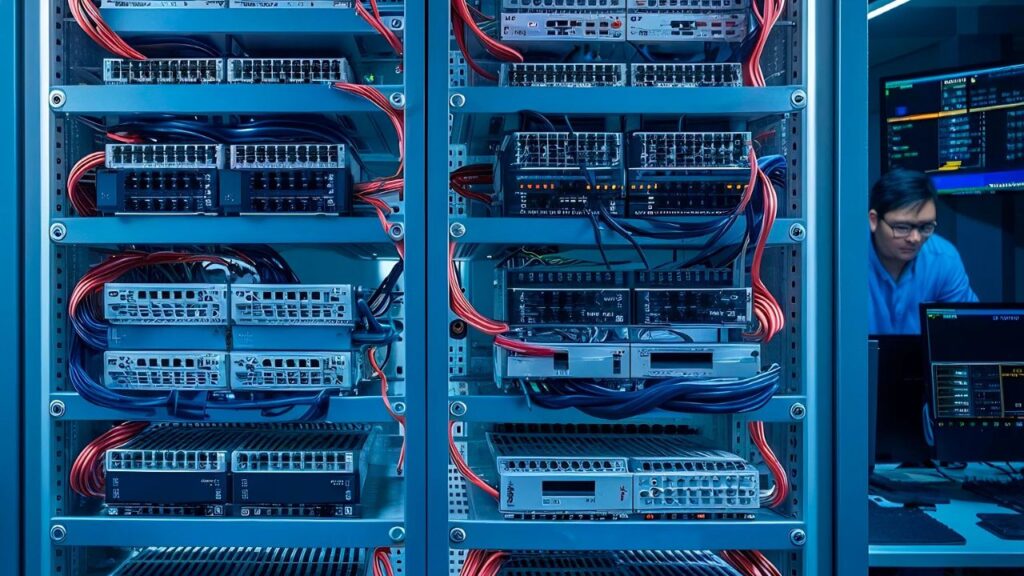
Dedicated servers are used in projects where stability, control, and guaranteed performance are critical. Such solutions are most often chosen by companies with consistent workloads and increased infrastructure requirements.
High-Load and Business-Critical Systems
Dedicated server hosting is widely used to host systems that process large volumes of requests and data. This includes corporate web platforms, internal services, APIs, and applications that are sensitive to latency and performance degradation. Full resource isolation allows stable operation even during peak loads.
Databases and Corporate Applications
Dedicated servers are frequently used to host databases and ERP systems. These workloads require predictable input/output performance, stable access to memory and storage subsystems, and the ability to fine-tune the environment to meet specific application requirements.
Projects with Increased Security Requirements
Dedicated hosting is suitable for infrastructures where physical data isolation and full control over all system layers are essential. This is particularly relevant for companies working with sensitive information, internal services, and regulated processes, where shared or virtual environments may be insufficient.
How to Choose a Dedicated Server for Business
Selecting a dedicated server should begin with a clear understanding of business objectives and workload characteristics. Dedicated server hosting is typically a long-term solution, so it is important to consider not only current needs but also future infrastructure growth.
Hardware Configuration
Hardware selection plays a key role. The CPU determines computing power, RAM capacity affects application density and operational stability, and the type of storage subsystem influences data processing speed. Server configuration should match the workload type: fast storage is critical for databases and analytics, while web projects require a balanced CPU and RAM configuration.
Network, Location, and Support
Network connectivity parameters and data center location are equally important. Bandwidth, latency, and network stability directly affect user experience. The level of technical support and SLA terms should also be considered, especially if the server is used for business-critical services.
When Dedicated Server Hosting Makes Sense
Dedicated server hosting is a solution for projects that require maximum control, stable performance, and physical resource isolation. It is well suited for business-critical systems, high-load applications, and infrastructures with increased security requirements. At the same time, a dedicated server is not a universal option for all tasks.
For businesses aiming to boost performance, reliability, and uptime without delays, choosing an instant dedicated server can significantly improve overall website stability and operational efficiency. This approach allows companies to deploy powerful infrastructure quickly while maintaining full control over resources.