
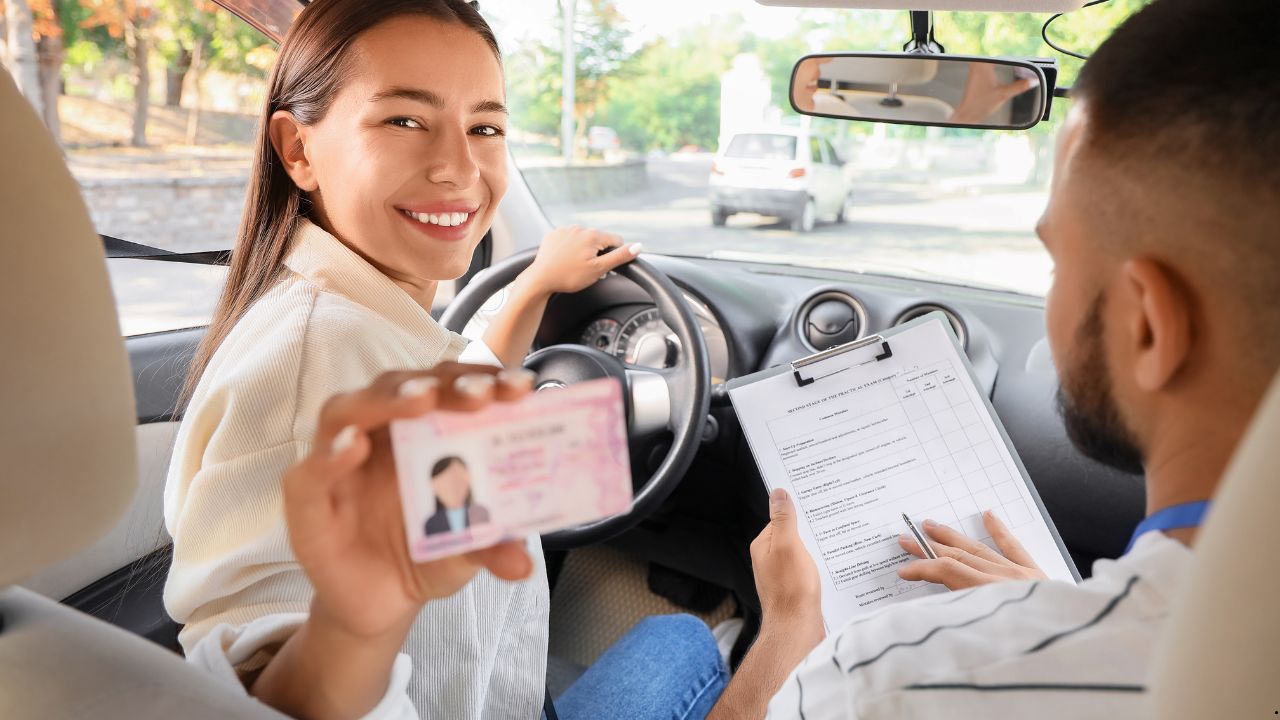
For many people, a driver’s licence is more than a small plastic card in their wallet. It’s freedom. It’s the ability to get to work, pick up the kids from school, attend client meetings, or simply do the weekly grocery run without relying on someone else.
So when a traffic charge lands in your inbox or mailbox, it can feel overwhelming. Whether it’s speeding, drunk driving, careless driving, or accumulating too many demerit points, the consequences can quickly snowball. Fines are only part of the story. You might be facing licence suspension, higher insurance premiums, or even court appearances.
That’s where the right legal support can make a genuine difference.
A Traffic Charge Is Rarely “Just a Fine”
It’s easy to think, “I’ll just pay it and move on.” Sometimes that’s possible. But in many cases, especially when demerit points stack up or the offence is more serious, the impact can stretch far beyond the initial penalty.
Take a delivery driver, for example. One suspension could mean weeks without income. Or consider a healthcare worker who travels between clinics. Losing their licence might disrupt patient care and put their job at risk. Even for someone who works from home, being unable to drive can make everyday life far more complicated.
Traffic law isn’t only about punishment. It’s also about protecting road safety. Rules exist within broader frameworks, such as traffic law, that aim to balance accountability with fairness. But navigating these rules on your own can be confusing, especially if your matter is heading to court.
Legal terminology such as “plea mitigation,” “section applications,” or “hardship arguments” can sound intimidating. In simple terms, these are ways to explain your situation to a magistrate. A skilled lawyer knows how to present your circumstances clearly and persuasively.
Protecting Your Licence Means Protecting Your Lifestyle
Imagine a small business owner who travels to meet clients daily. For business owners and freelancers, licence issues can also affect finances and compliance. Managing income disruptions alongside accounting and tax services becomes especially important when legal trouble impacts daily operations. Or think about a parent who lives in a suburb without reliable public transport. School drop-offs, medical appointments, and extracurricular activities suddenly become logistical challenges.
In cases like these, protecting your licence isn’t about avoiding responsibility. It’s about making sure the penalty fits the situation.
An experienced traffic lawyer will look at:
- Whether the charge can be challenged
- If the evidence was properly gathered
- Whether there are grounds to reduce the penalty
- Whether a “work licence” or limited licence application is possible (where available)
They’ll also assess whether procedural issues occurred. For example, was the speed detection device correctly calibrated? Were your rights explained properly? Small technical details can sometimes make a significant difference.
This is why seeking the best legal support for driving offences can be so important. The right guidance doesn’t just aim to minimise fines—it focuses on protecting your ability to keep driving legally.
Experience Matters in the Courtroom
Not all legal matters are the same. A family law dispute is different from a commercial contract issue, and both differ from traffic-related offences.
A lawyer who regularly handles driving matters understands how local courts typically approach certain charges. They know what arguments resonate. They know what supporting documents can strengthen your case—such as character references, proof of employment, or evidence of rehabilitation programs.
Traffic-related legal issues don’t always stop at fines or court dates. In more serious situations, guidance from a car accident lawyer can also help individuals understand their rights and the legal steps needed to protect their future. If you needed heart surgery, you wouldn’t choose a general practitioner. If you’re redesigning a website, you wouldn’t hire a plumber. In the same way, having someone familiar with traffic matters can significantly improve your chances of a fair outcome.
In some cases, legal support may even uncover options you didn’t realise existed. For example:
- You may be eligible for a reduced suspension period.
- The charge could potentially be downgraded.
- A conviction might be avoided in certain circumstances.
Even when a penalty cannot be avoided, having proper representation often results in a more balanced and measured outcome.
The Emotional Side of Driving Offences
Beyond the legal process, there’s also the emotional impact. Being charged with a traffic offence can be stressful and embarrassing. You may worry about how it looks to your employer or family. You might feel anxious about appearing in court.
Having a professional guide you through the process can provide peace of mind. They can explain what to expect, prepare you for court appearances, and ensure that your side of the story is clearly heard.
It’s not just about technical arguments—it’s about presenting you as a whole person. Your driving history, your work commitments, your family responsibilities, and your genuine remorse (if applicable) all matter.
Many magistrates consider context when making decisions. A one-off lapse in judgment is very different from repeated dangerous behaviour. A lawyer helps make that distinction clear.
Prevention Is Often Better Than Damage Control
One of the most overlooked benefits of getting proper legal advice is early intervention. Seeking advice soon after being charged can open more options than waiting until the last minute.
For example, if you’re close to reaching the demerit point threshold, you may need strategic guidance about how to handle upcoming matters. In some situations, electing to go to court rather than simply paying a fine can lead to a more favourable outcome—but only if there are reasonable grounds.
Early advice also helps you avoid costly mistakes. Missing deadlines, submitting incorrect paperwork, or misunderstanding your obligations can complicate your case.
In many ways, legal support functions like insurance. You hope you never need it, but when you do, having the right professional in your corner can make all the difference.
Your Licence Is Worth Protecting
At the end of the day, a driver’s licence connects to so many aspects of modern life. Work, family, independence, and convenience all rely on it.
A driving offence doesn’t automatically mean the worst-case scenario will happen. But ignoring it—or trying to navigate complex legal processes alone—can increase the risk of harsher consequences.
By getting proper guidance, you give yourself the best chance of:
- Understanding your options
- Presenting your case effectively
- Minimising penalties where possible
- Protecting your right to drive
Whether you’re a tradesperson carrying tools to job sites, a sales professional travelling between appointments, or a parent juggling school runs and work commitments, the ability to drive legally is often essential.
When that’s at stake, taking the situation seriously isn’t overreacting—it’s being responsible. And sometimes the smartest move you can make is to get experienced legal support before a temporary mistake turns into a long-term setback.