
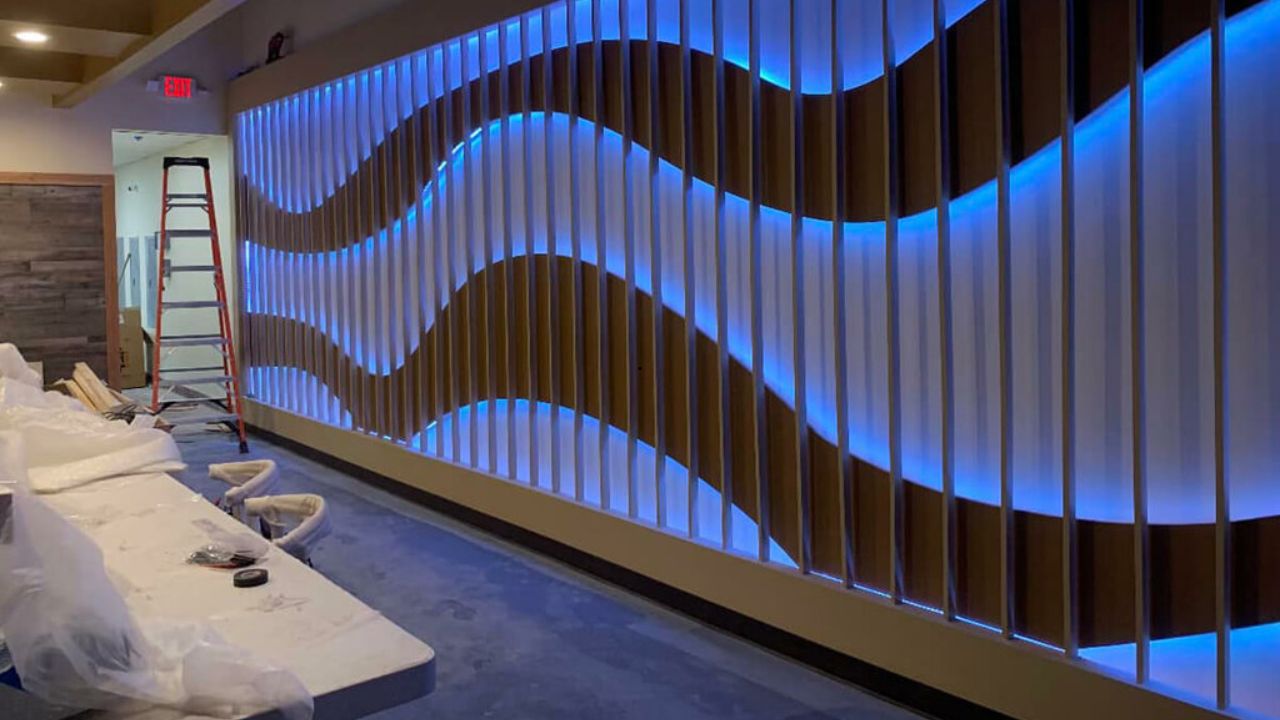
LED strip lighting has evolved far beyond its decorative beginnings. Once used mainly for accent lighting or aesthetic backdrops, it is now a central component in commercial, architectural, and industrial illumination projects. As the lighting industry shifts toward integrated, smart, and energy-optimized solutions, understanding what makes LED strip lighting project-oriented has become crucial for designers, contractors, and facility owners alike.
This article introduces the concept of project-oriented LED strip lighting—what it means, why it matters, and how it can elevate lighting design from simple setup to full-scale professional implementation.
What Does “Project-Oriented” Mean in LED Lighting?
In the world of lighting design, “project-oriented” refers to solutions built for specific application needs rather than general consumer use. A project-oriented LED strip is engineered with professional features—reliability, scalability, and consistent performance—to meet the exact specifications of architectural, hospitality, retail, or industrial projects.
Unlike consumer-grade LED strips sold in rolls for DIY setups, project-oriented products are part of a holistic system. This includes:
- Tailored voltage and current management: Designed for long runs and stable brightness across distances.
- Compatibility with commercial control systems: Dimming, automation, and energy-usage optimization.
- Durable components: Improved heat dissipation, waterproofing (IP65–IP68), and UV resistance for long-term installations.
- Compliance and certification: Meeting UL, CE, and energy-efficiency standards for large-scale usage.
In short, project-oriented LED strip lighting isn’t just about brightness or flexibility—it’s about accuracy, integration, and longevity.
Why Project-Oriented LED Lighting Matters
For commercial and architectural projects, lighting design is not just an aesthetic decision—it’s a functional investment that drives energy savings, sustainability goals, and user experience. Choosing project-oriented LED strips can make a project more efficient and durable in four key ways:
Consistency Across Large Installations: When lighting large spaces such as hotels or offices, maintaining consistent color temperature and brightness is vital. Project-grade strips solve voltage drop issues that plague consumer models.
- Energy Efficiency and Control: Professional LED systems often utilize smart control drivers and sensors that adjust lighting levels based on occupancy, sunlight, or time of day, while also protecting systems from power surges that can damage sensitive components.
- Customization Potential: Designers can specify lumen output, color rendering index (CRI), strip density, and mounting type, tailoring the product to the exact project goals.
- Low Total Cost of Ownership: While the upfront cost may be higher, reduced maintenance, longer lifespan, and improved energy savings quickly offset the investment.
Professionals looking to understand how electrical design affects performance can learn more here.
Components That Define a Project-Oriented LED System
A true project-oriented LED strip lighting solution integrates several specialized components working together.
1. LED Chips
High-quality LED chips such as SMD2835 or COB provide better efficiency, color uniformity, and brightness stability. Project solutions prioritize chips with higher binning consistency (testing classification) to ensure uniform illumination.
2. PCB Design and Material
The printed circuit board (PCB) acts as a heat path and structural base. Project-level products use thicker copper layers (≥2 oz) and flexible substrates to reduce voltage drop and enhance reliability during installation.
3. Power and Current Control
Selecting between constant voltage and constant current systems dramatically affects stability and efficiency. Constant current setups maintain consistent brightness regardless of load variation, while constant voltage systems offer simpler control for shorter runs. Understanding how to match these with your driver system is critical for large-format lighting—an aspect SignliteLED explores deeply in their technical discussions about project-grade architecture.
4. Heat Management and Housing
Overheating is a leading cause of LED degradation. Aluminum profiles, diffusers, and flexible heat sinks help control thermal buildup, especially in cove lighting or tight spaces.
5. Connectors and Power Supplies
Professional connectors simplify long-run installations without compromising safety or current flow. Reliable constant voltage or constant current drivers maintain performance and minimize flicker.
Application Scenarios: Where Project-Oriented Strips Excel
Project-oriented LED strips can adapt to diverse industries and environments. Let’s break down their most impactful use cases:
1. Architectural and Façade Lighting
Architects use linear LED strips to outline structures, highlight textures, and create adaptable nighttime aesthetics. Weatherproof coatings and high-CRI options ensure both style and structural reliability.
2. Hospitality and Retail Environments
Hotels and retail stores depend on lighting that complements brand identity. Tunable white (CCT-adjustable) LED strips allow ambient shifts between warm, inviting tones and cooler task-focused light.
3. Office and Education Buildings
In workspaces, well-balanced LED strips integrated into ceilings or furniture edges enhance productivity and reduce glare. Smooth dimming and motion control integrate seamlessly into energy management systems.
4. Entertainment and Event Spaces
Stage design, theme parks, and museums benefit from high-output RGBW strips capable of dynamic color rendering. These strips can be DMX- or DALI-controlled for professional show environments.
5. Industrial and Outdoor Projects
Factories, parking lots, and transport terminals need IP67+ waterproof ratings, chemical resistance, and tailored lens systems for focused illumination. These strips prioritize efficiency and durability over decorative value.
The Role of Design and Engineering Support
Project-oriented lighting doesn’t just rely on products—it depends on planning and technical support. Top LED suppliers assist designers through:
- Lighting calculations and simulations (Lux, Lumen, and CCT planning).
- Custom-cut strip lengths and connectors for quick installation.
- Electrical load balancing and voltage optimization.
- On-site or remote engineering consultation.
This approach minimizes installation risks, ensures compliance, and helps achieve design intent within budget and energy codes.
Environmental and Regulatory Considerations
Projects today must align with global sustainability goals. LED lighting is already renowned for energy efficiency, but project-grade implementations further improve sustainability through:
- Higher luminous efficacy: More lumens per watt reduce energy demand.
- Smarter power systems: Integration with intelligent drivers for peak control.
- Reduced waste: Durable materials mean fewer replacements and less landfill waste.
- Regulatory compliance: Project strips often adhere to RoHS and DLC standards, meeting environmental and safety benchmarks worldwide.
Such environmental diligence not only benefits the planet but also boosts brand reputation and compliance with certifications like LEED or WELL Building Standard.
The Future of Project-Oriented LED Lighting
As technology advances, project-oriented LED lighting will evolve in several directions:
- Digital Addressable Lighting Interfaces (DALI 2 and beyond): Smarter control protocols enabling granular dimming and real-time data feedback.
- Integration with IoT Systems: Sensors and network-based management allowing buildings to self-adjust lighting according to occupancy, daylight, or energy pricing.
- Enhanced Color Science: Better spectral tuning for human-centric lighting, optimizing comfort and circadian rhythm support.
- Advanced Materials: Flexible ceramics and nano-coating technology increasing durability and optical clarity.
Project-oriented LED systems will increasingly link lighting quality with data analytics, sustainability, and user wellness. The focus shifts from “how bright” to “how well it serves the environment and human performance.”
Choosing the Right Partner for Your LED Project
Selecting a reliable manufacturer is critical to ensuring consistent performance and long-term project success. Look for a company that not only sells LED strips but also supports your project’s engineering and customization needs. SignliteLED, for instance, provides end-to-end assistance, from system design and voltage configuration to on-site performance tuning.
To explore how constant-current and constant-voltage LED strip systems compare in real project applications, click here to learn more.
Key Takeaways
Project-oriented LED strip lighting bridges design ambition with engineering precision. When implemented correctly, it produces lighting systems that are efficient, durable, and tailor-made for each project’s vision.
Whether you’re designing for a hotel lobby, retail flagship, or architectural façade, understanding and applying project-oriented principles ensures your lighting delivers the performance and reliability that professional environments demand.
By prioritizing technical compatibility, quality materials, and expert support, you set the foundation for lighting that doesn’t just illuminate space—but defines it.