
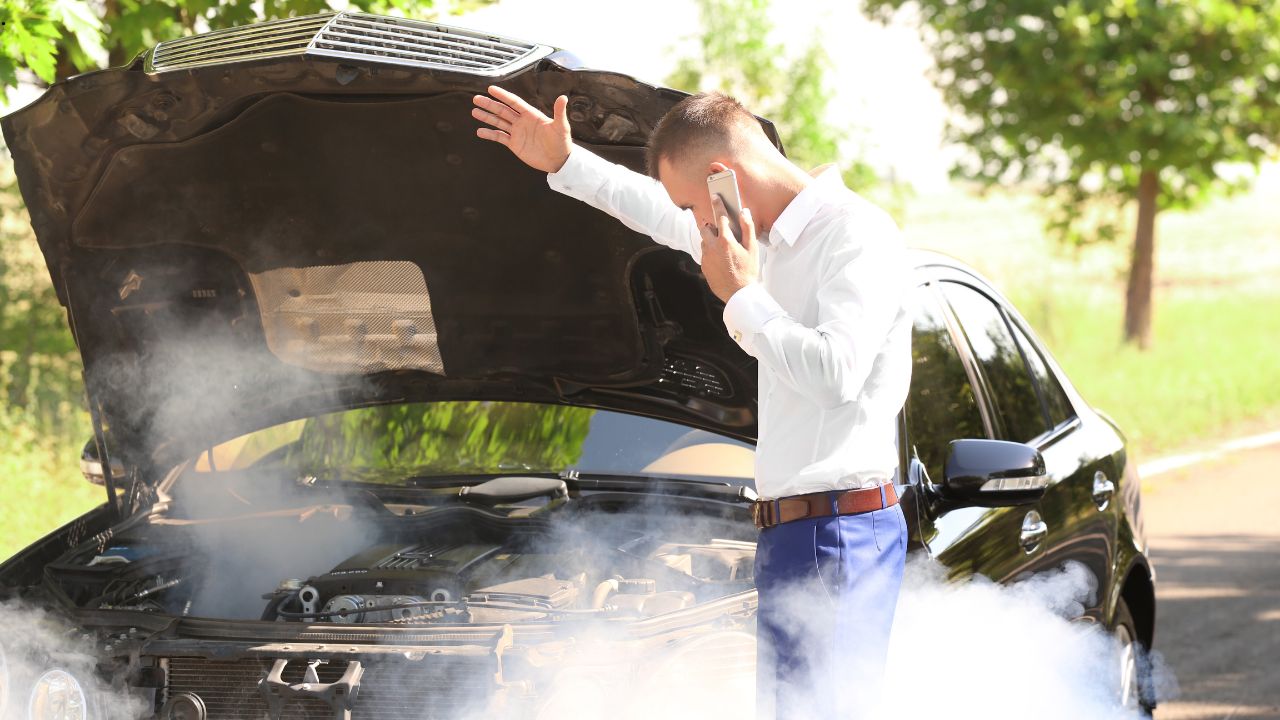
Overheating is one of the most damaging problems a vehicle can experience. While many drivers may ignore occasional temperature spikes at first, repeated overheating can quickly shorten a vehicle’s lifespan and lead to extremely expensive repairs.
Modern engines operate within very specific temperature ranges. Once those temperatures rise beyond safe limits, internal components begin experiencing stress that can permanently damage the engine and surrounding systems.
The Cooling System Plays a Critical Role
A vehicle’s cooling system is responsible for regulating engine temperature during operation.
Key cooling system components include:
- Radiators
- Water pumps
- Thermostats
- Cooling fans
- Hoses
- Coolant passages
These parts work together to remove excess heat generated by the engine.
If even one component fails, the entire system can struggle to maintain safe operating temperatures.
Engines Produce Extreme Heat Naturally
Internal combustion engines generate enormous amounts of heat every time fuel burns inside the cylinders.
Without proper cooling, temperatures can rise high enough to damage:
- Cylinder heads
- Pistons
- Gaskets
- Engine blocks
- Bearings
This is why overheating should never be treated as a minor inconvenience.
Even a single severe overheating event can create long-term engine damage.
Coolant Leaks Are a Common Starting Point
Many overheating problems begin with small coolant leaks that drivers overlook initially.
Leaks may develop from:
- Cracked hoses
- Worn seals
- Damaged radiators
- Failing water pumps
- Loose connections
At first, drivers may only notice small puddles, warning lights, or occasional temperature increases.
However, low coolant levels reduce the system’s ability to remove heat effectively, increasing the risk of major overheating later.
Traffic and Summer Weather Increase Risk
Hot weather and stop-and-go traffic place additional strain on cooling systems.
During heavy traffic, engines receive less airflow through the radiator while continuing to generate heat.
Older vehicles may struggle especially when:
- Cooling fans weaken
- Radiators become clogged
- Thermostats stick
- Water pumps wear out
Summer heat often exposes weaknesses that were less noticeable during cooler weather.
Repeated Overheating Damages Head Gaskets
One of the most serious consequences of overheating is head gasket failure.
The head gasket seals critical areas between the engine block and cylinder head. Excessive heat can cause these components to expand unevenly, eventually damaging the gasket seal.
Head gasket failure may lead to:
- Coolant mixing with oil
- White exhaust smoke
- Loss of engine compression
- Severe overheating cycles
Repairing this type of damage is often extremely expensive because major engine disassembly is required.
Modern Engines Are Less Tolerant of Heat Damage
Today’s engines are designed with tighter tolerances and lightweight materials focused on fuel efficiency.
While modern engines perform extremely well under normal conditions, they can sometimes be less forgiving when overheating occurs repeatedly.
Aluminum engine components are especially vulnerable to warping under excessive heat.
Because of this, modern overheating repairs can become very costly very quickly.
Warning Signs Drivers Should Not Ignore
Vehicles usually show early symptoms before major overheating damage occurs.
Common warning signs include:
- Rising temperature gauges
- Steam from under the hood
- Sweet coolant odors
- Low coolant warnings
- Heater performance changes
- Coolant puddles
Ignoring these symptoms often allows damage to worsen rapidly.
Addressing cooling system problems early is usually far less expensive than repairing severe engine damage later.
Why Overheating Often Leads to the End of Older Vehicles
As vehicles age, cooling systems become more vulnerable to failure because of worn hoses, corrosion, leaks, and aging components.
An older vehicle experiencing repeated overheating may soon require repairs involving:
- Head gaskets
- Radiators
- Water pumps
- Cooling fans
- Engine components
When these repair costs combine with other age-related issues such as rust, transmission wear, or suspension problems, continued ownership may no longer feel financially practical.
This is one reason some owners eventually explore alternatives such as Cash For Junk Cars once severe overheating damage makes repairs too expensive relative to the vehicle’s remaining value.
Preventative Maintenance Makes a Big Difference
Cooling system care is much easier when drivers follow basic car maintenance tips regularly. Small inspections and timely servicing can often prevent serious overheating problems before they start.
Helpful preventative steps include:
- Checking coolant levels regularly
- Inspecting hoses for leaks
- Replacing worn thermostats
- Flushing coolant periodically
- Monitoring temperature gauges
Drivers who keep up with oil changes and cooling system maintenance often reduce the risk of severe engine overheating and costly repairs later on.
Final Thoughts
Overheating is one of the fastest ways to shorten a vehicle’s lifespan because excessive heat damages critical engine components very quickly.
Understanding how cooling systems work and recognizing early warning signs can help drivers prevent small issues from becoming major mechanical failures that eventually make a vehicle too expensive to repair.