When you compare mining hardware, the real question is not always which machine looks strongest on paper. It is whether the machine fits your mining plan. Bitdeer is a useful reference in this discussion because it works across Bitcoin mining hardware, infrastructure, cloud mining, and AI computing services. It shows a practical view of mining, where machine efficiency, site design, energy use, and long-term operation all sit in the same picture.
What Really Separates Fast Payback from Longer ROI?
A fast payback plan and a longer ROI plan can both make sense. One focuses on recovering capital sooner. The other gives more weight to efficiency, uptime, and how the machine performs through a full market cycle.
Upfront Cost and Recovery Speed
Lower purchase cost can help, especially when you are testing a new site or entering mining with a smaller allocation. But the cheapest miner is not always the fastest to pay back. If it runs less efficiently or needs more downtime, the gap closes quickly.
Power Efficiency and Daily Margin
A machine with better efficiency may take a little longer to justify at purchase, yet it can hold stronger daily margins once it is running. This is why many operators now rely on ROI analytics to compare long-term mining performance before scaling their setup. This becomes more important when network difficulty rises or Bitcoin price moves sideways. You are not only buying hashrate. You are buying how cleanly that hashrate turns electricity into output.
Market Cycle and Holding Strategy
If you plan to mine through several market phases, long-term efficiency becomes harder to ignore. A shorter strategy may chase faster recovery. A longer strategy often favors equipment that keeps cost pressure lower and gives you more flexibility when market conditions shift.
Which Mining Strategy Fits Different Types of Buyers?
There is no single answer for every operator. The right choice depends on your capital plan, electricity price, site readiness, and how long you are willing to stay in the business.
Short-Term Buyers Focus on Faster Cash Recovery
A short-term buyer may accept a simpler setup and a narrower decision window. The goal is to move quickly, get machines online, and recover capital as soon as possible. This route can work when power is affordable and market sentiment is strong, though it leaves less room for error.
Long-Term Operators Value Stable Cost Control
If you think in years rather than months, stability carries more weight. You may care more about lower operating cost, better efficiency, and a machine type that fits professional deployment. These choices do not always create the fastest early payback, but they can produce a better cost profile over time.
Larger Mining Sites Need Scalable Hardware Planning
Once you move from a few units to a serious site, the buying logic changes. Cooling, layout, maintenance access, and power planning all start to affect ROI. A machine that works well in a dense, organized setup may offer more value than one that looks attractive only as a standalone unit.
What Should You Compare Before Choosing a Bitcoin Miner?
Before buying, you should reduce the decision to a few points that actually influence profit. If those points are clear, the choice becomes much easier.
Hashrate Power Use and Efficiency Ratio
Look at these numbers together, not separately. High hashrate means little if power use rises too sharply. Efficiency ratio helps you judge whether the machine is built for sustained performance or only for an impressive top-line figure.
Cooling Format and Site Readiness
Hydro-cooling models fit best where the site can support more structured infrastructure. They are usually more relevant to operators who value dense layouts, lower noise, and a better-controlled operating environment.
Maintenance Burden and Operating Stability
If service checks are awkward, if access is poor, or if the machine does not match the site, the hidden cost grows. A stable mining plan is built around equipment that your team can operate without constant improvisation.
Why Can Hydro-Cooling Support a Longer ROI Plan?
Hydro-cooling is often tied to operators who think beyond the shortest payback cycle. It suits higher-density deployment and can support a more controlled working environment when the site is designed properly.
Higher Efficiency for Sustained Mining Output
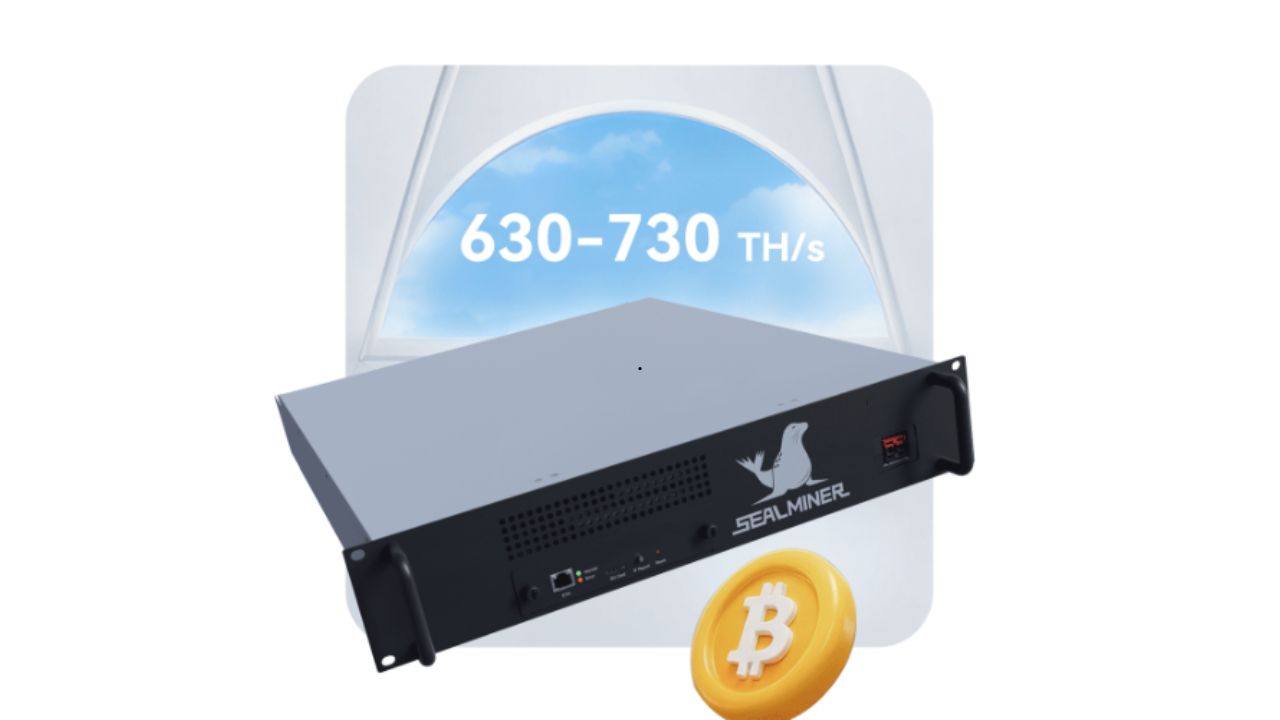
The SEALMINER A4 Pro Hydro is a clear example of this type of thinking. Official specifications list 680T hashrate, 7412W power consumption, and 10.9J/T power efficiency. It is positioned as a BTC/BCH/BSV SHA256 hydro-cooling miner.
Stronger Fit for Dense and Professional Deployment
Hydro-cooling equipment is usually chosen by operators who already think in terms of racks, circulation systems, and site planning. That does not make it the right answer for everyone. It does make it attractive when your aim is to build a cleaner, more scalable mining structure.
Long-Term ROI Needs More Than a Low Entry Price
A longer ROI plan is not about ignoring purchase cost. It is about weighing purchase cost against power use, deployment fit, and years of operation. If your setup is meant to stay online through changing market conditions, stronger efficiency and better infrastructure match can matter more than a quick first impression.
When Should You Review Service and Contact Options Before Deciding?
The final decision should not stop at machine numbers. Once money is committed, support quality becomes part of the investment.
Product Fit Checks Before Final Selection
Before ordering, confirm whether your site can support the machine type you want. Check electrical readiness, cooling needs, and maintenance access. That small review can prevent expensive revisions later.
Deployment Support for Larger Mining Plans
Larger mining plans bring more moving parts. It helps when there is a clearer path for technical questions, setup details, and after-sales communication. You want fewer surprises once installation begins.
Service and Contact Access for Ongoing Operation
Good service and contact access do not replace careful planning, but they help when real operating questions come up. For buyers thinking about longer ROI, that support layer belongs in the decision from the start.