
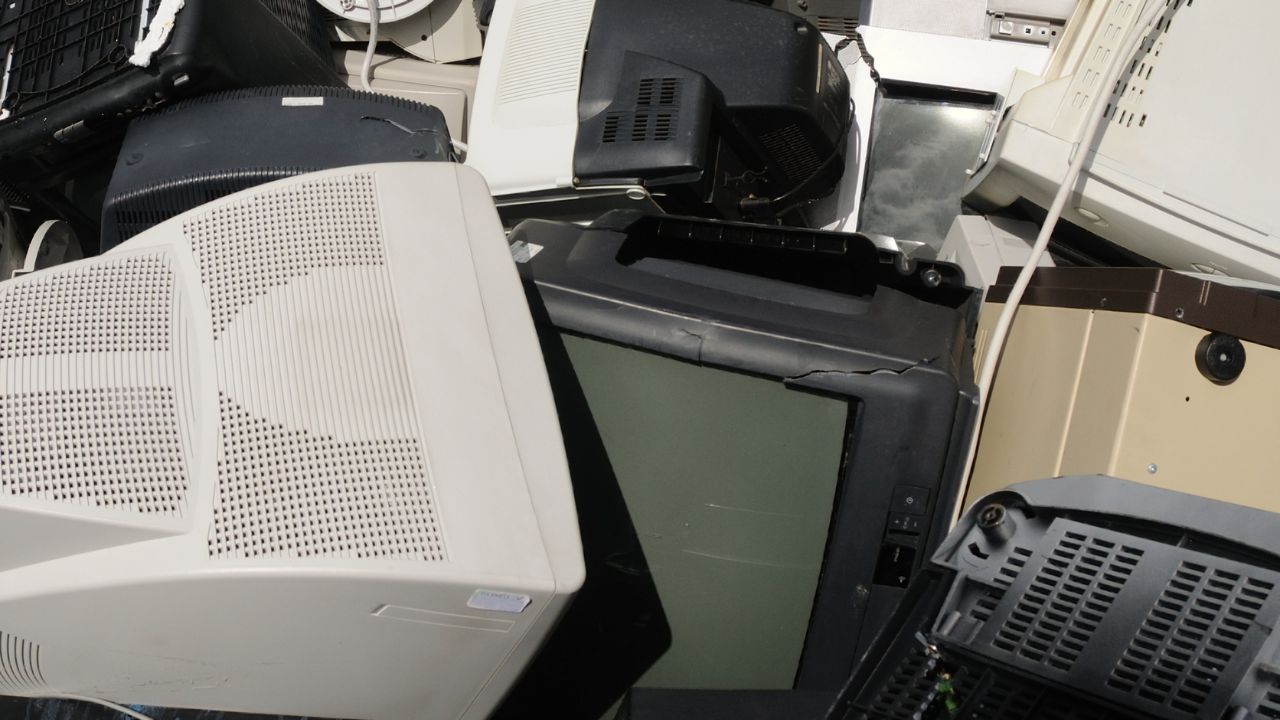
The scrap electronics market is changing fast, and 2026 is shaping up to be a year in which informed sellers will have a clear advantage. Whether you are a recycling business, an auto dismantler, a repair shop, an industrial operator, or simply a seller with valuable boards and components, the difference between an average payout and a strong one often comes down to timing, material knowledge, and partner selection.
Many sellers still focus only on weight when evaluating scrap electronics. That is a mistake. In today’s market, precious metal content, copper recovery potential, sorting quality, contamination levels, and downstream refining partnerships can all influence what you actually earn. If you want better returns in 2026, it is worth understanding the forces behind pricing before you hand over a single load.
Why scrap electronics prices are harder to predict in 2026
At first glance, pricing may seem simple: metal markets go up, scrap values go up. But electronic scrap is more complex than many other secondary materials. Printed circuit boards, connectors, processors, catalytic-related components, and mixed assemblies contain different levels of copper, gold, silver, palladium, and other recoverable materials. That means two loads with similar weight can have very different value.
In 2026, sellers should expect four major pricing drivers to matter most:
- Global metal price volatility affecting copper and precious metals
- Quality of sorting, especially the separation of high-grade and low-grade boards
- Laboratory analysis capabilities used to verify recoverable content
- Environmental compliance and traceability, which increasingly influence who buyers can work with
This is one reason professional evaluation matters. Companies with technical expertise and modern testing processes can often identify hidden value that less specialized buyers overlook.
The biggest mistake sellers make: mixing everything together
One of the easiest ways to lose money is to combine all electronic scrap into one mixed lot. In practice, low-value housings, wires, plastics, steel attachments, and damaged components can dilute the value of premium fractions. Sellers who separate material categories usually get more accurate pricing and, in many cases, higher overall revenue.
For example, high-grade boards from telecom, industrial control systems, and certain automotive electronics tend to be evaluated very differently from mixed household appliance boards. The same applies to connectors, copper-bearing fractions, and non-ferrous materials removed through automated manufacturing processes.
If you are preparing to sell, consider sorting into at least these categories:
- High-grade printed circuit boards
- Low-grade or mixed boards
- Copper-rich fractions
- Aluminum and other non-ferrous metals
- Components with contamination or attachments requiring extra processing
Even basic sorting can improve transparency and help you negotiate from a stronger position.
What “good pricing” really means in electronics recycling
A high headline rate does not always equal the best deal. Smart sellers in 2026 should look at the full pricing model, not just the first number they hear. Ask these questions:
- Is pricing based on visible grade only, or supported by chemical analysis?
- Are deductions clearly explained?
- How quickly is payment made?
- Does the buyer have access to strong refinery networks?
- Can they handle both electronics scrap and related non-ferrous materials efficiently?
This is where experienced operators stand out. Metalaxis, for example, has built its reputation around secure purchasing, transparent evaluation, and accurate material analysis. That matters in a market where value is increasingly tied to what is inside the material rather than what it looks like from the outside.
Watch copper and precious metals closely
Most conversations about scrap electronics focus on gold, but copper remains one of the most important value drivers in many loads. If copper prices strengthen in 2026, the value of board scrap, cables, and mixed electronic fractions can improve even when gold and palladium remain flat. On the other hand, if precious metals rise sharply, higher-grade boards may outperform mixed material by a wide margin.
For sellers, this means market awareness is essential. A little patience can pay off if pricing conditions are improving, but waiting too long can also create storage, safety, and degradation issues. The best strategy is usually to monitor trends and work with a buyer that can explain where value comes from, rather than offering a one-size-fits-all rate.
If you want a better understanding of how electronic waste is evaluated and recycled, it helps to review practical guidance on electronic scrap and WEEE material (ser jäte). Clear grading and recovery knowledge can make a real difference when prices are moving.
Why lab-backed evaluation is becoming more important
As the market matures, rough visual grading alone is no longer enough for many material streams. This is especially true for catalytic-related materials, printed circuit boards, and specialized industrial scrap containing variable concentrations of recoverable metals.
Buyers with laboratory support can provide a more precise picture of what your material contains. That improves trust and often leads to fairer compensation. It also reduces disputes, which is a major benefit for businesses selling recurring volumes.
Metalaxis has an important edge here: advanced analysis capability combined with a large materials database and cooperation with leading refineries. For sellers, that translates into better visibility, better confidence, and often better financial outcomes. In a competitive 2026 market, those factors matter more than ever.
Operational factors sellers should not ignore
Price is important, but it is not the only factor worth watching. In reality, your net result often depends on operational details such as logistics, handling speed, and service quality. Businesses generating regular scrap streams should look for a recycling partner that can simplify the process, not complicate it.
Here are a few practical questions to ask before choosing a buyer:
- Can they process both small and large volumes?
- Do they serve your region consistently?
- How quickly do they confirm value and complete payment?
- Can they advise on sorting and preparation before collection or delivery?
- Do they prioritize environmentally responsible recycling routes?
These details may sound secondary, but they often determine whether selling scrap electronics becomes a smooth revenue stream or a time-consuming burden.
How to prepare your material for the best possible return
If you want stronger pricing in 2026, preparation is one of the few variables fully under your control. Before selling, remove obvious contamination, keep high-value fractions separate, document the source of your material if relevant, and avoid moisture exposure or unnecessary handling damage. Organized loads are easier to assess and often easier to price competitively.
It is also smart to keep records of previous sales. Over time, this gives you a benchmark for comparing buyers, identifying seasonal shifts, and recognizing when market conditions support a sale.
And if you are actively tracking electronics scrap pricing, it helps to stay informed about the factors behind the market price of electrical scrap (sähköromun hinta). Better information leads to better selling decisions.
The 2026 outlook: informed sellers will win
The outlook for scrap electronics in 2026 is promising, but only for sellers who approach the market strategically. Demand for recycled metals remains strong, sustainability targets continue to push recovery efforts forward, and buyers with technical expertise are increasingly able to unlock value from complex material streams.
The real takeaway is simple: do not treat scrap electronics as low-value waste. Treat it as a recoverable resource that deserves proper evaluation. When you sort carefully, watch metal market trends, and work with an experienced buyer such as Metalaxis, you put yourself in a much better position to maximize returns while supporting responsible recycling.
If you have material ready to move, now is a good time to review your process, ask sharper questions, and choose a partner that can back pricing with real expertise. In 2026, that is what separates casual selling from smart selling.