
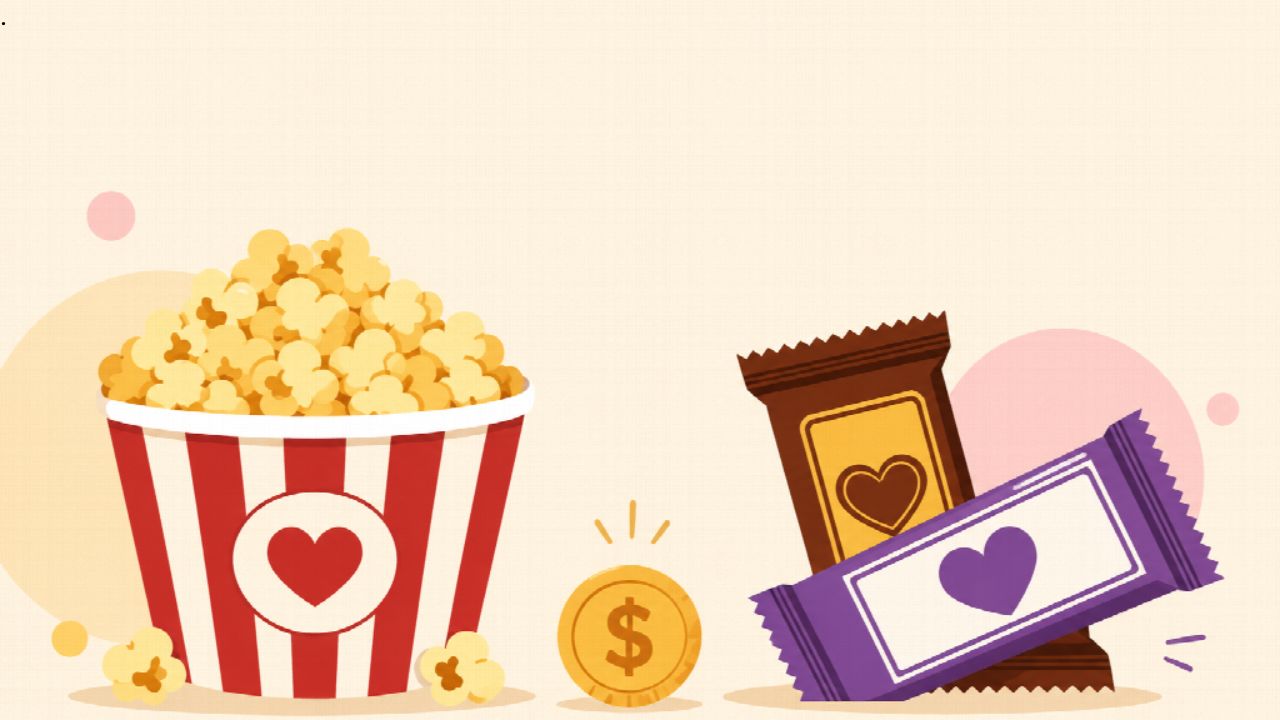
If you’ve been handed the job of running your school, team, or club’s next money-raising campaign, you’ve probably already narrowed things down to the two most reliable crowd-pleasers out there: popcorn and candy bars. Both are cheap to produce, easy for kids and volunteers to sell door-to-door or at games, and popular enough that almost nobody turns them down on the spot. But choosing between them — and figuring out how to support the sale with the right tools — can be the difference between hitting your goal in two weeks or dragging the campaign out for a month and a half.
This guide breaks down what actually separates one sale from the other, how each performs with different age groups and communities, and how a smart digital layer can boost your total no matter which product you pick.
Why Direct-Sale Products Still Win
Catalog sales have their place, especially for groups that want a wide product range — cookie dough, gift wrap, specialty snacks, and so on. But for a lot of volunteer coordinators, a single, simple product line beats a 40-page catalog every time. Sellers don’t have to explain fifteen options to a neighbor on their porch; they hold up one item, say the price, and collect the cash on the spot. That instant transaction is what makes single-product campaigns so popular with PTAs, booster clubs, and scout troops that need results fast and don’t have the bandwidth to manage a complicated order-and-delivery process.
The two products that consistently top that list are popcorn and candy bars — and for good reason.
The Case for Popcorn Fundraisers
A well-run popcorn fundraiser tends to work best for larger groups with a wide geographic reach — a school-wide campaign, for instance, where sellers are hitting dozens of houses across several neighborhoods. Popcorn has a longer shelf life than most snack items, comes in a wide range of flavors (caramel, kettle corn, cheese, and so on), and feels like more of a “treat” purchase, which tends to raise the average order size. Buyers are often willing to grab two or three bags instead of just one, especially around fall kickoff season when flavored popcorn tins double as seasonal gifts.
The tradeoff is unit cost. Popcorn products typically sit at a higher price point per item than a candy bar, so while the average order value is higher, the volume of individual transactions may be lower. That makes it a strong fit for a group whose sellers have a broad network — extended family, coworkers of parents, neighborhood email lists — rather than one relying purely on hallway or locker-room sales. Groups that have run popcorn fundraisers before often say the biggest win isn’t the per-bag price, it’s how easy the product is to keep on hand for late-arriving orders, since it doesn’t spoil the way some other snack items do.
The Case for Candy Bar Fundraisers
For quick-turnaround campaigns, especially with younger sellers, few things move faster than a straightforward candy bar fundraiser. The price point is low enough that almost anyone will buy one without thinking twice, which means volume tends to be very high even if the per-unit profit is smaller. Because the product needs no explanation and no cold storage, it’s especially well suited to impulse selling: outside a grocery store, at a sporting event, or passed around at the office.
Candy bar fundraisers also tend to have the shortest campaign windows of any direct-sale option — many groups wrap up in a single weekend. If your timeline is tight, or your sellers are elementary-age kids who need something simple to carry and sell, this is usually the lower-friction choice.
Where Online Fundraising Fits In
Here’s the part a lot of volunteer coordinators miss: you don’t have to choose a product and stop there. Pairing your in-person sale with a digital storefront lets out-of-town relatives, coworkers who don’t want a physical item, and anyone who missed the in-person ask still contribute. Instead of a seller going back to the same ten neighbors every year, they can send one link to grandparents, aunts and uncles, and family friends across the country, and let those supporters either buy product shipped directly to them or simply make a monetary donation.
This is where online fundraising earns its place as a companion tool rather than a replacement for face-to-face selling. Groups that add a digital option on top of their physical sale routinely see a meaningful bump in total dollars raised, simply because the audience isn’t capped by who lives within walking distance. It also solves a real logistical headache — no more collecting cash from twenty kids and trying to reconcile order forms by hand. Everything from payment to tracking happens automatically, and the organization only has to manage delivery or shipping once the sale period closes. Coordinators who’ve run both a candy sale and an online fundraising page side by side often find the two together outperform either one alone, since each channel reaches a different kind of supporter.
How to Decide Between Popcorn and Candy Bars
A few practical questions can settle it:
- How much time do you have? Under two weeks, lean candy. A month or more, popcorn can perform well.
- Who’s selling? Younger kids and simple asks favor candy. Groups with wider adult networks (booster clubs, church groups) often do better with popcorn’s higher per-order value.
- What’s your profit target? If you need a big number from a smaller group of sellers, popcorn’s higher price point helps you get there with fewer total transactions.
- Is your community price-sensitive? In tighter economic conditions, the low, no-hesitation price of a candy bar can outsell a pricier snack tin every time.
Many experienced coordinators don’t pick one over the other so much as alternate — running a candy sale in the fall for a quick win, then a popcorn campaign in the spring when there’s more lead time to build a bigger order.
Tips for Running Either Campaign Well
Whichever product you land on, a few basics apply across the board. Set a clear, specific goal and share it with sellers up front — people sell more when they know exactly what the money is for. Give every seller a short kickoff pitch they can memorize in under thirty seconds; the products practically sell themselves once someone’s holding them up. Track progress publicly, even something as simple as a paper thermometer chart in the school lobby, since visible progress tends to accelerate late-campaign sales. And build in the digital option from day one rather than adding it as an afterthought — supporters who live too far away to buy in person are often your most generous givers when given an easy way to contribute.
The Bottom Line
There’s no universally “better” product between the two — it comes down to your group’s size, timeline, and seller demographics. What matters more is not treating the choice as either/or against a digital option. Combine a strong in-person product with a simple way for distant supporters to chip in, and you’ll consistently outraise a campaign that relies on only one channel. Start with the product that fits your timeline, add the digital layer on top, and let both work together toward the same goal.