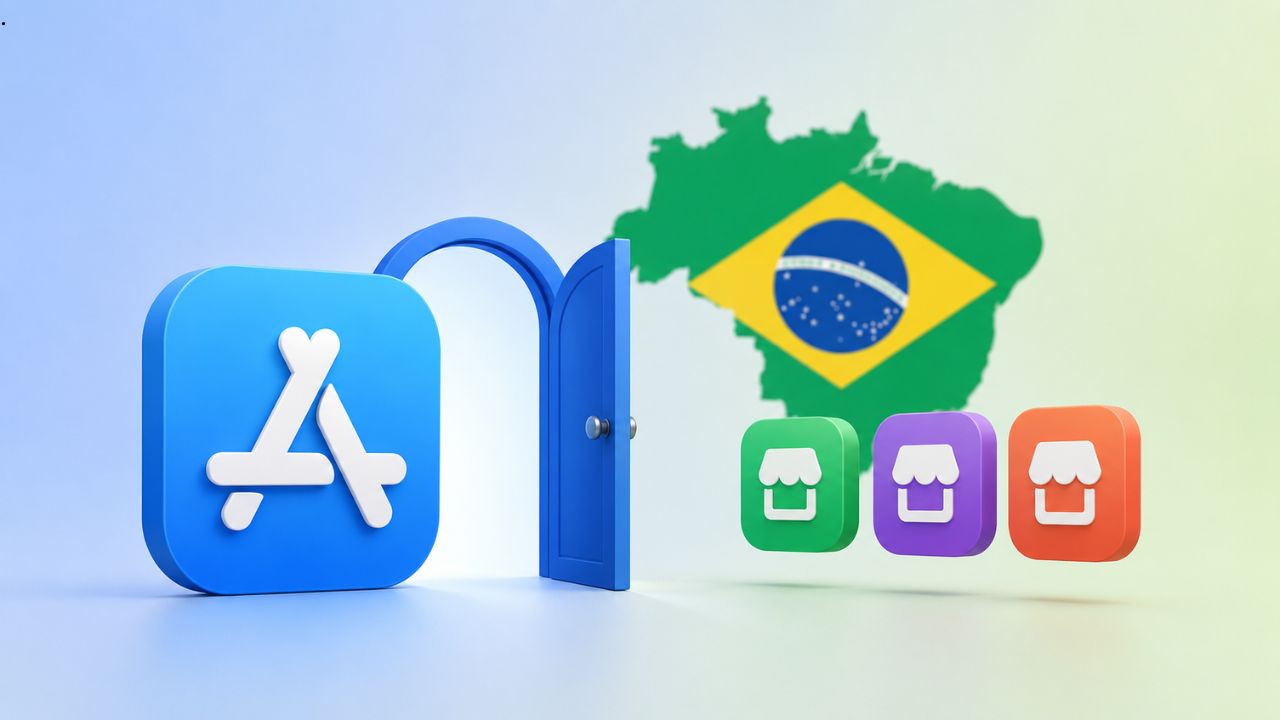
For years, Apple had one rule when it came to iPhone apps in Brazil: everything goes through the App Store. No shortcuts. No alternatives. But that rule just changed. Apple has now opened the door for developers in Brazil to distribute their apps in new ways and accept payments outside of Apple’s own system.
This is a big step. And it did not happen by accident.
Why Apple Made This Change
Apple did not wake up one morning and decide to change things on its own. Brazil’s competition regulator, known as CADE, pushed for this. CADE is the government body in Brazil that watches over how big companies do business. It makes sure no single company gets too much control over a market.
Apple agreed to these new rules as part of a deal with CADE. In simple terms, if Apple wanted to keep doing business comfortably in Brazil, it had to loosen its grip on how apps are distributed and how payments are handled.
So while Apple deserves credit for following through, the pressure came from outside.
What Has Actually Changed for Developers
Before this update, Brazilian developers had no choice. If they wanted iPhone users to get their app, it had to go through the App Store. And if someone paid for something inside that app, Apple took a cut through its own payment system.
Now, things are different. Here is what developers in Brazil can do starting now:
- Distribute iOS apps through alternative app stores, not just Apple’s own App Store
- Use outside payment systems to charge users for digital products and services
- Reach users in new ways without being locked into Apple’s single distribution channel
This gives developers more freedom. It also means more competition, which is usually good for users in the long run.
There Are Still Rules to Follow
Even with these changes, Apple is not stepping back completely. Apple’s new rules still require developers to meet certain conditions before taking advantage of the new freedoms.
For example:
- Apps distributed outside the App Store must go through a notarization process — basically a security check by Apple
- Alternative app marketplaces will need to meet authorization requirements before they can operate
- There are also protections aimed at keeping children safe from inappropriate content and scams
So while the gates are opening, Apple still has a role in keeping users safe — something that matters now more than ever. That makes sense. Users, especially parents, want to know that the apps on their phones are not harmful.
A Fee Still Applies
Here is something developers should pay close attention to. Apple is not giving away access for free.
Under the new terms, a 5% Core Technology Commission fee will apply to apps in Brazil. This fee covers apps distributed through the App Store, directly through the web, and through alternative marketplaces. Apple first rolled out this type of fee structure in Europe. Now it is coming to Brazil as part of the same approach.
Developers in Brazil also need to accept the updated license agreement by July 6, 2026. After that date, the new rules officially apply. If a developer misses that deadline, they could face issues distributing their apps in the Brazilian market.
Brazil Is Part of a Bigger Pattern
What is happening in Brazil is not isolated. Furthermore, it is part of a global shift in how regulators are looking at Apple and other big tech companies.
The European Union made Apple open up its App Store in Europe under its Digital Markets Act. Japan followed. Now Brazil is doing the same. Each time, the story is similar — a regulator steps in, Apple agrees to changes, and developers get more options.
In the United States, there has also been movement. A court ruling from the Epic Games lawsuit required Apple to allow developers to point users toward external payment options. That was another crack in Apple’s old model.
So, in many ways, Brazil is simply the next chapter in this ongoing story.
What This Means for Regular Users in Brazil
If you are just a regular iPhone user in Brazil, you might be wondering what any of this has to do with you. Honestly, the changes may not feel dramatic right away. However, over time, they could matter quite a bit.
More competition between app stores and payment systems can lead to lower prices. Developers who held back due to Apple’s rules might now ship apps they skipped before, and those using Apple tools could find new distribution paths opening up too. And the existence of alternative stores could push Apple to improve its own App Store experience too.
That is how competition tends to work. When there is only one option, things stay the same. When alternatives show up, everyone tries harder.
A Slow but Real Shift
Apple built its App Store into one of the most powerful distribution systems in the world. For a long time, it controlled nearly every part of the experience — what apps existed, how they got paid, and how they reached users.
That control is slowly changing, market by market. Brazil is the latest example. The change did not come from Apple choosing to be generous. Instead, it came from regulators doing their jobs and holding a powerful company accountable.
For developers in Brazil, this is a real opportunity. For users, it could mean more choices down the road. And for Apple, it is one more signal that the old way of doing things is shifting — whether they like it or not.
The deadline to accept Apple’s updated agreement is July 6, 2026. After that, the new chapter for iOS apps in Brazil officially begins.