What’s the article about? This article examines how real-time fleet visibility, GPS tracking, passenger counting, and analytics enable stadium operators to prevent jams and enhance event transportation efficiency.
Imagine arriving at a packed stadium on an event day! Tens of thousands of spectators are pouring in constantly, parking lots are filling up quickly, and transportation teams are racing against time to keep things moving. For stadium operators, transportation bottlenecks are more than just a mere inconvenience. Not only do they impact attendee experience, but also disrupt event schedules, increase operational costs, and create safety concerns.
As stadiums host increasingly larger crowds and more complex events, transportation operations are becoming harder to manage using traditional methods alone. This is where event transport management software is making a measurable difference. But, how? Let’s understand it layer by layer.
Why Stadium Transportation Becomes a Bottleneck
Unlike many other event venues, stadiums experience a significant increase in traffic before and after an event. Attendees arrive and leave at the same time, therefore, there is a lot of pressure on transportation framework. A few common challenges include:
- Shuttle delays caused by traffic
- Vehicle dispatching
- Limited visibility into fleet locations
- Overcrowded pickup and drop-off zones
- Communication gaps between operators and drivers
- Passenger movement tracking difficulties
In such a case, transportation teams are often forced to react to problems after they have already affected attendees, leaving a bad impression on both the event managers and the overall experience.
What is the Value of Real-Time Fleet Visibility
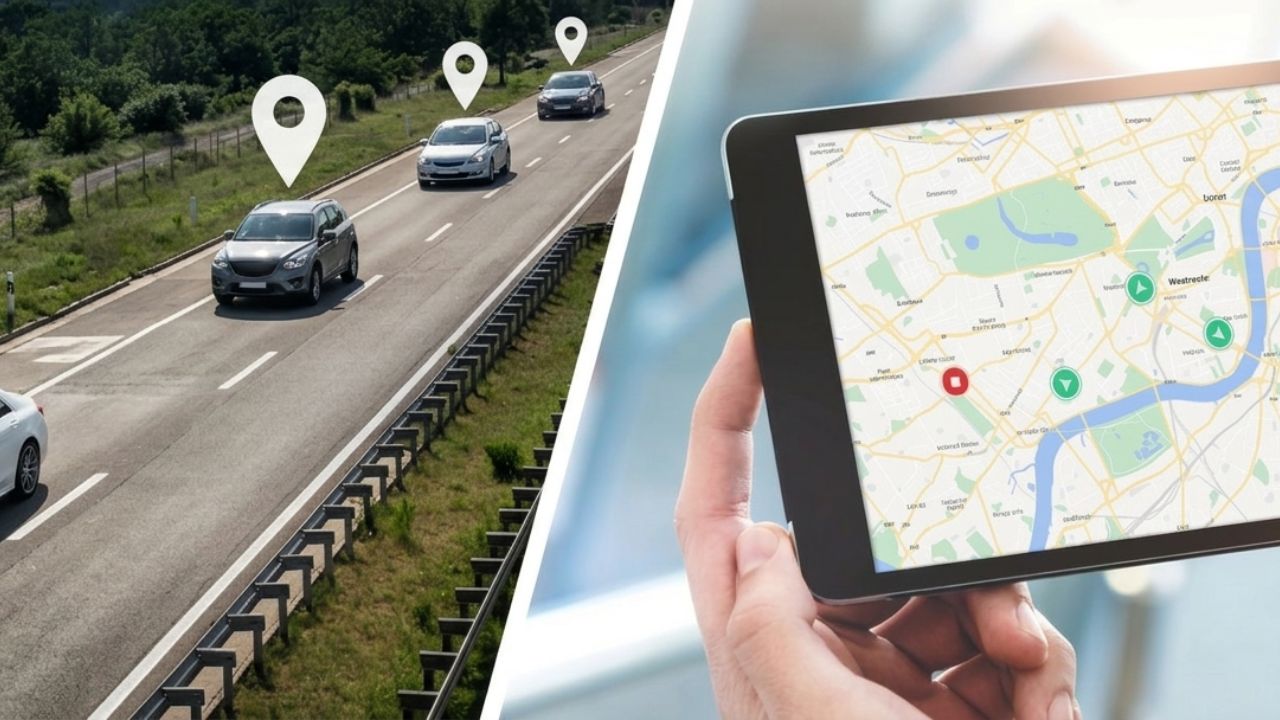
A modern event transportation tracking system equipped with real-time fleet visibility will allow operators to monitor vehicle movements as they happen. Rather than relying on periodic updates from drivers or dispatch teams, EventFalcon’s event transportation management software helps the stadium operators to gain an immediate insight into vehicle locations, route progress, arrival times, and operational status. The live operational data enables faster and more informed transportation decisions.
This level of visibility helps transportation managers to identify the chaos before it escalates, adjust routes when necessary, reduce shuttle wait times, and respond faster to unexpected disruptions. This results in a seamless transportation experience for both operators and attendees.
The impact of real-time fleet visibility can be understood through four key operational advantages:
1. GPS Tracking for Stadium Events Creates Better Operational Control
One of the key components of modern event fleet management platform is real-time vehicle monitoring. With the help of GPS tracking for event vehicles, transportation teams can continuously monitor fleet movements throughout the event lifecycle. For large sporting venues, live vehicle tracking for events helps operators identify delays quickly and maintain better coordination between transportation stakeholders.
2. Passenger Counting Adds Another Layer of Visibility
Knowing how many passengers are onboard is just as important as knowing where a vehicle is located. Modern transportation operations increasingly rely on passenger counting systems. In this, using pax counting technology can helps to monitor passenger loads, identify overcrowding risks, and allocate vehicles more effectively. When combined with live fleet visibility, a passenger tracking software solution provides a more complete view of transportation performance.
3. Supporting Large-Scale Sporting Events
Transportation requirements for sporting venues differ significantly from those of smaller event venues. Stadium operators often need to coordinate staff transportation, VIP and sponsor transfers, media transportation, and parking lot circulation routes. A dedicated stadium event transportation software solution will help to bring these moving parts together through centralized monitoring and operational control. Event transport intelligence platform such as EventFalcon enable teams to monitor vehicles in real time and make faster decisions during high-volume event periods.
4. Learning From Every Event Through Analytics
Effective transportation planning does not end when an event concludes. This is where post-event transport analytics become valuable. By reviewing vehicle performance, route efficiency, passenger occupancy trends, and transportation bottlenecks, operators can identify opportunities for future optimization. These insights help stadium operators refine transportation strategies and improve future event performance.
What Does the Future of Stadium Transportation Management Look Like
As sporting events will keep attracting a larger audiences, the operational demands will continue to increase. Therefore, the transportation teams will require more than basic tracking tools.
Modern stadium operations depend on intelligent visibility, real-time decision-making, and data-driven planning. Combining live fleet monitoring, passenger insights, operational coordination, and analytics helps operators stay ahead of transportation challenges. To ease this, EventFalcon is one event transportation management platform which is helping stadium operators move beyond reactive management and toward a more proactive, intelligence-driven approach.
Conclusion
While the transportation bottlenecks can quickly impact the overall event experience, real-time fleet visibility gives operators the tools they need to monitor, manage, and respond to challenges before they escalate. For stadium operators focused on delivering seamless event experiences, the best event transport tracking software is no longer a luxury, but has become an operational necessity.