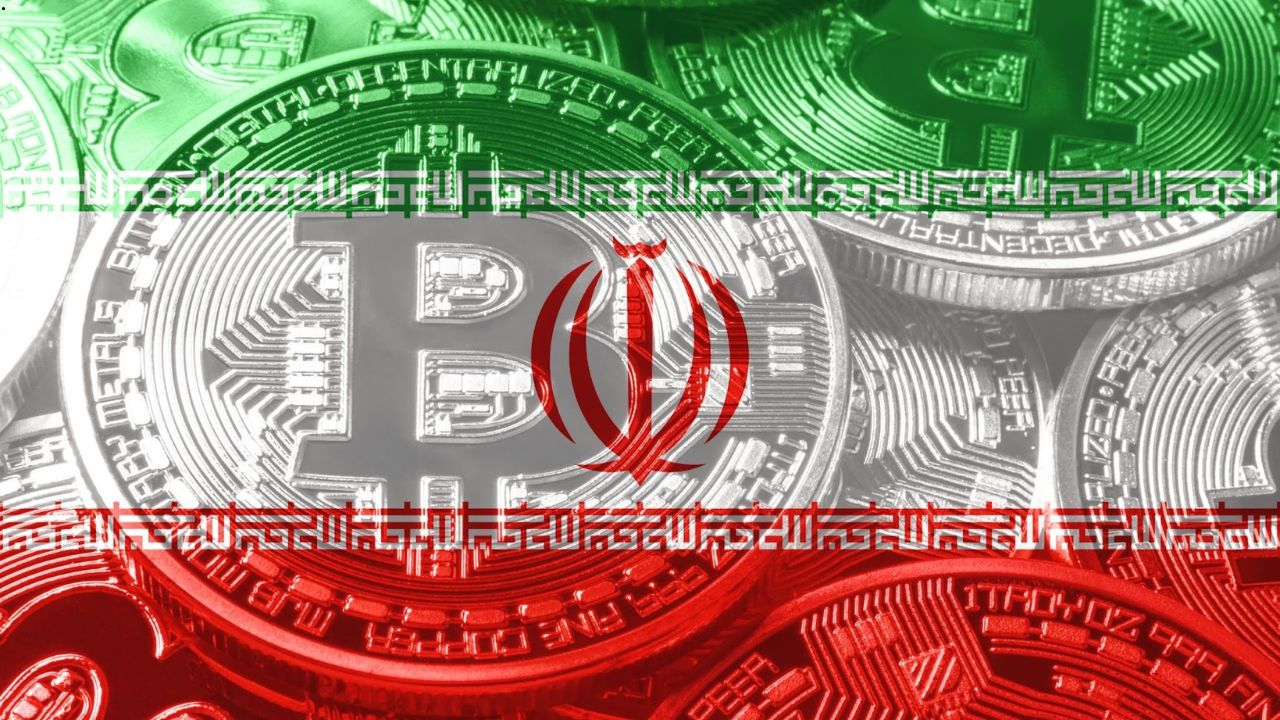
Blockchain has long been associated with cryptocurrency trading, speculation, and volatile markets. However, in recent years, a quieter and more structural shift has been taking place in Iran’s digital economy. Beyond the headlines of Bitcoin price movements and exchange activity, businesses are gradually exploring blockchain as a foundational technology rather than just a financial instrument. This transition is not loud, not widely publicized, and in many cases still experimental—but it is real and steadily expanding.
What makes this shift particularly interesting is that it is happening under economic constraints, regulatory ambiguity, and infrastructural limitations. Yet despite these challenges, Iranian businesses are increasingly recognizing blockchain not as a trend, but as a tool for efficiency, transparency, and financial modernization.
Blockchain Adoption in Iran Is Growing — Quietly
In Iran, blockchain adoption is not taking the form of large corporate announcements or government-backed national programs. Instead, it is emerging organically through startups, fintech companies, and even traditional businesses looking for more efficient ways to handle data and transactions.
One of the key drivers of this silent growth is the maturity of the local crypto ecosystem. Platforms such as an Iranian cryptocurrency exchange ecosystem have already familiarized users and businesses with digital assets, wallets, and decentralized infrastructure. This existing foundation makes it easier for blockchain-based solutions to be introduced in adjacent industries.
Rather than replacing existing systems, blockchain in Iran is being layered on top of them—gradually improving transparency, reducing intermediaries, and enabling more direct digital interactions.
Why Businesses Are Moving Beyond Cryptocurrency
While cryptocurrency trading was the entry point, businesses are now realizing that blockchain’s value goes far beyond asset speculation. The early focus on trading Bitcoin and other digital currencies has evolved into a broader interest in infrastructure use cases — and understanding blockchain app development costs has become part of that conversation too.
A major factor in this shift is financial efficiency. Traditional cross-border payment systems are slow, expensive, and often restricted. In contrast, blockchain-based systems allow near-instant settlement with lower dependency on intermediaries.
For example, stablecoins like USDT have become a practical tool in many business operations. In fact, processes such as buying and selling Tether have increasingly been integrated into commercial workflows, especially in import/export-related businesses and freelance payment structures.
This is not driven by speculation anymore—it is driven by operational necessity.
Key Sectors Leading Blockchain Adoption
Blockchain adoption in Iran is not evenly distributed. Certain sectors are moving faster than others due to their exposure to digital transactions and data-heavy operations.
Fintech is clearly at the forefront. Financial platforms, payment processors, and digital asset services are experimenting with blockchain for settlement and verification systems. Following closely are logistics companies, which see blockchain as a way to improve traceability and reduce fraud in supply chains.
Another emerging sector is digital services and freelancing platforms. These businesses benefit from borderless payment systems and transparent transaction histories, both of which are natural strengths of blockchain infrastructure.
Even traditional industries, such as import/export and retail distribution, are beginning to explore blockchain-based documentation systems, particularly where trust and verification are critical.
Real Use Cases Emerging in the Iranian Market
While large-scale adoption is still in early stages, several practical use cases are already visible in Iran’s market.
One of the most common applications is in cross-border settlements. Businesses that previously struggled with banking limitations are now using blockchain-based transfers to handle international payments more efficiently. This reduces dependency on traditional financial intermediaries and speeds up transaction cycles.
Another growing use case is digital asset custody and internal accounting. Companies are beginning to experiment with blockchain-based ledgers for internal financial tracking, especially where auditability and transparency are important.
There is also increasing interest in tokenization concepts, where real-world assets or services are represented digitally on blockchain networks. While still experimental, this area is attracting attention from startups and fintech innovators.
Why This Trend Is Staying Under the Radar
Despite its growth, blockchain adoption in Iran remains relatively low-profile. There are several reasons for this.
First, regulatory uncertainty makes many businesses cautious about publicizing their involvement with blockchain technologies. Companies often prefer to experiment privately rather than market their adoption aggressively.
Second, the public perception of blockchain is still heavily tied to cryptocurrency trading. As a result, many organizations avoid branding their initiatives as “blockchain projects” even when they are actively using the technology.
Third, infrastructure constraints and external economic pressures encourage a more conservative approach. Businesses tend to prioritize stability over visibility, especially in financial innovation.
As a result, much of the progress is happening quietly—within internal systems, pilot programs, and limited deployments.
The Bigger Picture: A Slow but Strategic Shift
What is unfolding in Iran is not a sudden transformation, but a gradual structural shift. Blockchain is not replacing existing financial or operational systems overnight. Instead, it is being integrated incrementally where it offers clear advantages.
This slow adoption pattern may actually be a strength. It allows businesses to test, adapt, and refine their use of blockchain without exposing themselves to unnecessary risk.
At the same time, the presence of established crypto infrastructure—including platforms like an Iranian cryptocurrency exchange—has already normalized digital asset interaction for a large user base. This creates a natural bridge between speculative crypto usage and more practical blockchain applications.
In the long term, the most important impact of blockchain in Iran may not be financial speculation at all, but operational modernization. From payments and accounting to logistics and verification systems, blockchain has the potential to quietly reshape how digital trust is built and maintained.
What we are witnessing today is only the early phase of that transformation.